

Why the Outdoor Workspace is More Than a Trend
When I first stepped out of my cramped cubicle and onto my garden desk, I felt a subtle shift in my daily rhythm that went far beyond a change of scenery; the chirping of birds replaced the hum of fluorescent lights, and the scent of fresh soil became my new office perfume. This transformation wasn’t a fleeting novelty but a deep‑seated response to how our bodies and minds crave connection with the natural world, a concept supported by growing research on biophilic design and employee well‑being. Working outdoors has quickly moved from a quirky perk to a core component of modern employment strategies, reshaping expectations for flexibility, productivity, and happiness.
In the past, the idea of “working from home” was synonymous with a makeshift kitchen table or a cramped bedroom corner, but today the narrative has evolved into cultivating entire ecosystems that nurture both work and life. Companies are now recognizing that a view of green leaves can boost focus, while a gentle breeze can lower stress hormones, turning the garden into a strategic asset rather than a decorative afterthought. This shift is reflected in the rising popularity of articles like Why Outdoor Workspaces Are the Future of Employment, which highlight how outdoor environments can become the new headquarters for knowledge work.
Beyond the sensory benefits, outdoor workspaces challenge the old hierarchy of office design that once prized closed doors and isolated pods. By inviting employees to step outside, organizations signal trust, autonomy, and an investment in holistic health, which in turn fuels engagement and reduces turnover. The very act of moving from a static desk to a garden bench becomes a metaphor for the fluid career paths that younger generations now demand, where adaptability is prized over rigidity.
From Cubicle to Garden: A Personal Journey
My own migration from the corporate maze to a sun‑drenched patio was sparked by a simple longing for daylight during Zoom calls; I craved a backdrop that felt alive, not a sterile wall of neutral tones. The moment I set up my garden desk, I realized that productivity isn’t tethered to a square footage measurement but to the quality of the environment that surrounds you, a revelation that echoed the sentiments in From Cubicle to Garden: Rethinking Employment in the Age of Outdoor Workspaces. My inbox no longer felt like a floodgate; instead, each task arrived with a gentle rustle of leaves, reminding me to breathe and prioritize.
The transition wasn’t without its challenges—weather fluctuations, occasional insects, and the need for reliable Wi‑Fi forced me to become more intentional about planning and setting boundaries. Yet these obstacles turned into opportunities for growth, teaching me the art of “planned flexibility,” where I schedule deep‑focus blocks during calm mornings and reserve afternoons for creative brainstorming under the shade of a maple. This rhythm mirrors the emerging hybrid models that many forward‑thinking firms are adopting, blending office, home, and outdoor work in a seamless tapestry.
What surprised me most was the ripple effect on my personal life; the garden desk became a communal hub where family members gathered for impromptu lunch breaks, and neighbors dropped by to share gardening tips. The lines between work and home blurred in the healthiest way possible, fostering a sense of belonging that traditional office spaces often lack. As I reflect, I see the garden not just as a backdrop but as a catalyst for a more integrated, purpose‑driven career.
Practical Steps to Create Your Own Garden Desk
If you’re inspired to bring a slice of the outdoors into your work routine, start by scouting a spot that receives balanced sunlight—enough to keep you alert but not so intense that it creates glare on screens. A sturdy, weather‑resistant table paired with an ergonomic chair ensures comfort, while a simple shade sail or portable umbrella can mitigate sudden sun spikes. Incorporating planters with low‑maintenance herbs not only adds visual interest but also offers aromatic breaks that can refresh focus throughout the day.
Technology is the backbone of any remote setup, so invest in a reliable portable router or a cellular hotspot to safeguard against connectivity hiccups; a power strip with surge protection tucked into a waterproof box keeps devices charged without compromising safety. Don’t overlook acoustics—soft background sounds like wind chimes or a curated playlist of nature recordings can drown out distracting traffic, turning the garden into a personal soundscape that nurtures concentration.
Once the physical elements are in place, establish clear routines that honor both work and wellness. Begin with a brief grounding exercise—perhaps a five‑minute meditation while watching dew‑kissed petals—to transition from home mode to work mode. Schedule short “nature breaks” every ninety minutes, stepping away from the desk to stretch, water plants, or simply observe the sky, reinforcing the mind‑body connection that sustains long‑term productivity. For further inspiration, check out Garden Desk Magic: Transforming Home Life, Work, and Wellness, which offers a treasure trove of tips to fine‑tune your outdoor office.
The Future of Employment: Outdoor‑Centric Policies
Businesses that wish to stay competitive will soon need to embed outdoor‑work options into their core policies, just as they once did with remote‑work allowances. This means rethinking insurance coverage to include ergonomic outdoor furniture, offering stipends for garden‑friendly gear, and encouraging managers to lead by example by scheduling walking meetings in nearby parks. By normalizing these practices, companies can attract talent who value sustainability, mental health, and a lifestyle that blurs the line between personal fulfillment and professional achievement.
From a strategic perspective, outdoor workspaces also serve as low‑cost, high‑impact branding tools; a company that showcases its green office culture can differentiate itself in a crowded market, appealing to eco‑conscious consumers and investors alike. Moreover, the data is compelling: studies consistently show that employees who spend time outdoors report higher job satisfaction, lower burnout rates, and increased creativity, translating into measurable gains in innovation pipelines and customer satisfaction scores.
In the coming years, we can expect a rise in “outdoor hubs”—shared garden co‑working spaces that combine the community feel of traditional offices with the restorative power of nature. These hubs will likely be equipped with solar‑powered charging stations, rain‑shelters, and modular workstations, creating a flexible ecosystem that adapts to seasonal changes while fostering collaboration. As the line between indoor and outdoor work continues to dissolve, the future of employment will be defined not by square footage, but by the quality of the environment that nurtures our best work.

When it comes to the world of blogging and writing, Rose DesRochers is a name that stands out. Her passion for creating quality content and connecting with her audience has made her a trusted voice in the industry. Aside from her skills as a writer and blogger, Rose is also known for her compassionate nature.
Related Posts

Green Workspaces: Jimmy Damon’s Journey from Garden Desk to Employment Revolution
Jimmy Damon reveals how turning a garden desk into a thriving workspace reshapes employment, boostin... Read More

Turning Your Day Job into a Launchpad for Side Hustle Success
Learn how to balance a full‑time role with a thriving side hustle, using practical time‑manageme... Read More

Employment as a Human‑Centered Ecosystem: Embracing Neurodiversity
A fresh look at employment design that champions neurodiversity, offering practical steps—from ada... Read More
Top Posts

Breathing Into Health: Simple Practices for Immune Strength
Karen Edwards explains why intentional breathing is a powerful, low‑cost tool for strengthening immunity and reducing stress, offering easy techniques that fi...Read More

When the Airport Becomes a Playground: Harnessing Unexpected Transit Moments for Personal Growth
Discover how embracing the unexpected moments in airports can transform idle layovers into powerful opportunities for personal growth and creative breakthroughs...Read More
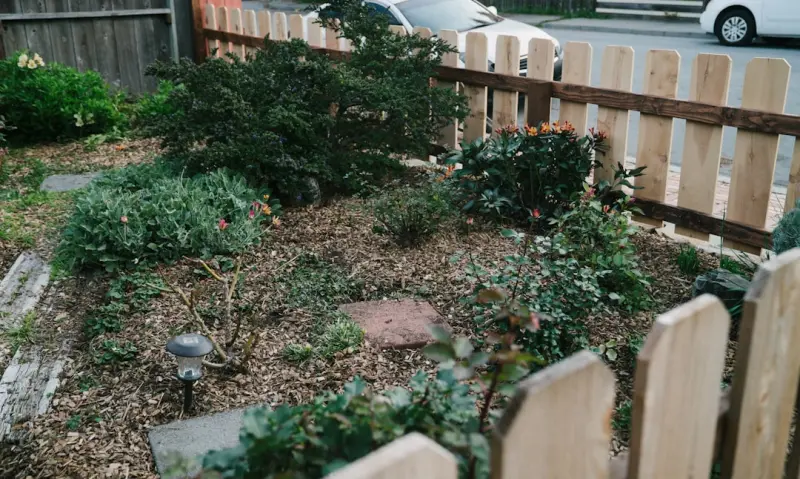
Smart Backyard Makeover: Turning Your Garden into a Connected Eco‑Hub
Learn to upgrade your garden into a smart, eco‑friendly space using soil sensors, weather‑aware irrigation, solar power, and modular design—creating a low...Read More
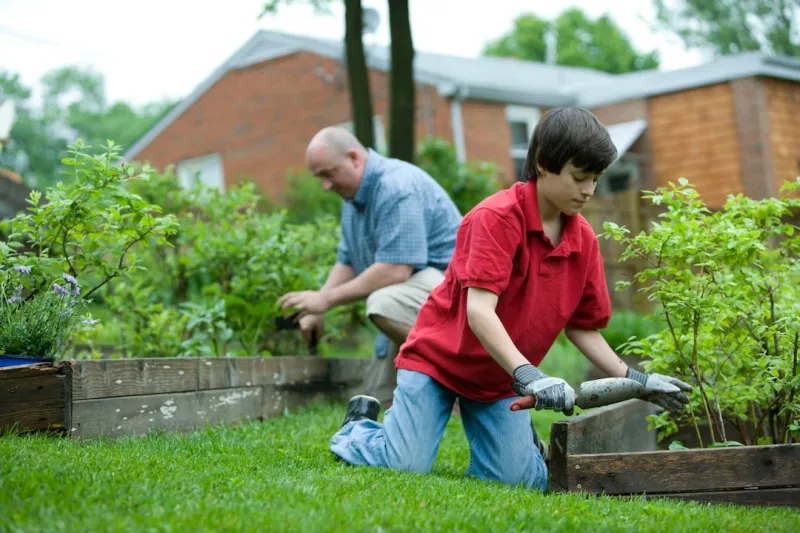
From Cubicle to Garden: Rethinking Employment in the Age of Outdoor Workspaces
Explore the rise of garden desks, their impact on productivity, and practical steps to integrate outdoor workspaces into modern employment....Read More
0 Comments
Post Comment
You will need to Login or Register to comment on this post!