
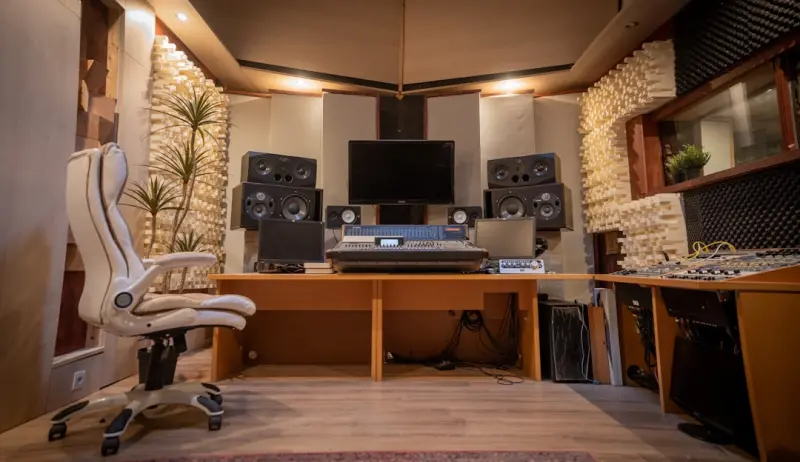
Ever walked into a room and felt instantly relaxed, energized, or oddly distracted? Chances are, the soundtrack playing in the background had a lot to do with that feeling. As someone who’s spent countless hours swapping between home‑office calls, evening cooking marathons, and late‑night reading sessions, I’ve learned that the right audio environment can be a game‑changer for productivity, mood, and even health. This guide dives deep into the art and science of curating home soundscapes—no pricey studio gear required, just a mix of smart tech, simple hacks, and a dash of creativity.
1. Why Sound Matters More Than You Think
Sound is an invisible force that shapes how we perceive space. While we often focus on lighting or color to set a mood, acoustic design subtly influences:
- Concentration: Background white noise can mask distracting chatter, boosting focus during deep work.
- Relaxation: Low‑frequency hums or nature sounds trigger the parasympathetic nervous system, helping the body unwind.
- Energy Levels: Upbeat tempos can elevate heart rate and motivation, perfect for a pre‑workout warm‑up or morning routine.
- Sleep Quality: Consistent ambient sounds lull the brain into a restful state, making it easier to drift off.
When you treat sound as a design element rather than an afterthought, you unlock a powerful tool for shaping everyday experiences.
2. The Science Behind Sonic Comfort
Researchers have identified three key acoustic properties that affect comfort:
- Frequency Spectrum: Low frequencies (20‑250 Hz) tend to feel “big” and can create a sense of warmth, while higher frequencies (2‑8 kHz) add clarity but may become harsh if too loud.
- Amplitude (Volume): Consistent moderate levels are soothing; sudden spikes cause stress responses.
- Temporal Patterns: Predictable, rhythmic sounds (like rain) are calming, whereas irregular noises (like a ticking clock) can increase anxiety.
Understanding these variables helps you choose the right audio sources and placement for each room.
3. Mapping Your Home’s Audio Zones
Just as you wouldn’t paint a kitchen the same color as a bedroom, you shouldn’t use a single soundscape throughout the house. Define zones based on activity:
- Focus Zone (Home Office, Study): Aim for steady, non‑intrusive sounds—white noise, soft instrumental, or low‑key ambient drones.
- Relaxation Zone (Living Room, Reading Nook): Layer gentle nature recordings—rain, rustling leaves, distant ocean waves—with a subtle music backdrop.
- Energy Zone (Gym Corner, Kitchen Prep Area): Pump up the tempo with upbeat playlists or rhythmic beats that match your workout cadence.
- Sleep Zone (Bedroom): Use low‑volume, slow‑tempo tracks or dedicated sleep sound machines that fade out after an hour.
Mapping zones prevents audio clash and ensures each space serves its intended purpose.
4. Tools & Tech for a Seamless Sound Experience
Below is a toolkit that balances affordability with quality:
- Smart Speakers: Devices like the Echo or Google Nest can stream from multiple services, set routines, and be voice‑controlled across rooms.
- Wireless Multi‑Room Systems: Brands like Sonos let you sync or independently control audio per zone, ideal for the focus/relaxation split.
- Portable Bluetooth Speakers: Small yet powerful; perfect for pop‑up “energy zones” in the kitchen or garage.
- Sound Machines: Dedicated devices that specialize in white noise, pink noise, or nature sounds—great for bedrooms.
- DIY Acoustic Panels: Fabric‑wrapped foam or recycled denim panels absorb excess reverberation, enhancing clarity.
- Mobile Apps: Apps like Noisli or Brain.fm generate custom soundscapes tailored to focus or relaxation.
Combine these tools with strategic placement—speakers near ear level, sound machines at the foot of the bed, acoustic panels on reflective walls—to achieve balanced coverage.
5. DIY Acoustic Tweaks You Can Install Today
Before you splurge on high‑end gear, try these low‑cost adjustments that dramatically improve sound quality:
- Soft Furnishings: Thick curtains, plush rugs, and oversized cushions absorb echo, especially in rooms with hard floors.
- Bookshelves & Plants: Filled shelves act as natural diffusers; adding a few biophilic home design elements like large leaf plants also breaks up sound waves.
- Strategic Wall Hangings: Tapestries or acoustic art panels can double as décor and sound dampeners.
- Door Seals: Installing draft‑stopper seals reduces external noise infiltration, keeping your curated soundscape pure.
- Floor Underlay: Adding a cork or rubber underlay beneath hardwood or laminate flooring cuts transmission of low‑frequency vibrations.
These tweaks are easy weekend projects that pay off in both aesthetic and acoustic benefits.
6. Curating Playlists for Each Zone
Content matters as much as delivery. Here are some starter ideas:
- Focus Playlist: Instrumental post‑rock, ambient electronica, or binaural beats set at 60‑80 BPM. Avoid lyrics to reduce cognitive load.
- Relaxation Playlist: Slow acoustic guitar, soft piano, or curated nature sounds with a gentle fade‑in/out.
- Energy Playlist: High‑energy pop, funk, or EDM tracks with strong beats per minute (BPM) around 120‑140 for cardio sessions.
- Sleep Playlist: Low‑frequency drones, ocean waves, or specially designed sleep tracks that gradually diminish volume over 30‑45 minutes.
Most streaming platforms let you schedule playlists, so you can automate transitions—like swapping from focus to relaxation as the workday ends.
7. Integrating Sound with seasonal home maintenance Routines
Seasonal chores often create bursts of noise (vacuuming, HVAC checks, window repairs). Turn those moments into intentional sound experiences:
- Spring Cleaning: Pair the hum of a vacuum with an upbeat, motivational playlist to keep energy high.
- Summer Outdoor Projects: Use portable Bluetooth speakers with nature sounds to mask the clang of tools while staying in sync with the sunny vibe.
- Fall HVAC Prep: Play low‑frequency white noise in the background to reduce the stress of tight schedules.
- Winter Insulation Work: Layer soft instrumental music to offset the cold and the noise of drills.
By aligning sound with routine, you transform chores into purposeful, mood‑enhancing activities.
8. Leveraging Sound for Better restful sleep
Sleep is a natural extension of your home’s acoustic design. Follow these steps:
- Set a Consistent Bedtime Audio Cue: A 10‑minute track of slow rain or soft wind signals to your brain that it’s time to wind down.
- Gradual Volume Fade: Many sound machines allow a fade‑out timer, preventing abrupt silence that might jolt you awake.
- White Noise for Light‑Sleepers: Consistent ambient noise masks sudden apartment sounds (like street traffic), maintaining sleep continuity.
- Avoid High‑Pitch or Sudden Beats: These can trigger arousal responses, making it harder to drift off.
Combine these audio habits with a dark, cool bedroom environment for maximum restorative benefits.
9. Future‑Proofing Your Home Soundscape
Technology evolves quickly, but the core principles stay the same—balance, intentionality, and adaptability. Here are a few forward‑thinking tips:
- Invest in Voice‑Controlled Ecosystems: A single command can change all zone settings, making it easier to transition between activities.
- Explore AI‑Generated Ambient Tracks: Services are emerging that tailor sound in real‑time based on your heart rate or ambient light levels.
- Modular Acoustic Panels: Choose panels that snap together and can be reconfigured as you rearrange furniture or repurpose rooms.
- Monitor Decibel Levels: Simple apps can help you keep average room volume within comfortable ranges (40‑60 dB for most living spaces).
By staying flexible, you can evolve your audio environment alongside life changes—whether you start a new remote job, welcome a newborn, or simply shift your daily routine.
10. Putting It All Together: A Sample Day in a Sound‑Optimized Home
To illustrate how these pieces fit, imagine a typical weekday:
- Morning (6:30 am): Wake up to a soft sunrise simulation paired with a 15‑minute “gentle waves” track that eases you out of sleep.
- Commute‑Free Work (8:00 am – 12:00 pm): In the home office, a white‑noise backdrop runs at a low volume, while a focus playlist provides a faint melodic undercurrent.
- Midday Break (12:30 pm): Move to the living room, switch to a curated “lunch lounge” playlist featuring acoustic guitar and light jazz.
- Afternoon Chores (2:00 pm): Activate the “cleaning mode” on your smart speakers—upbeat pop tunes with a subtle bass boost keep energy high while you tackle the seasonal maintenance checklist.
- Evening Wind‑Down (6:00 pm): In the kitchen, a low‑key “cooking vibes” playlist blends instrumental folk with ambient kitchen sounds.
- Nighttime Routine (9:30 pm): Transition to the bedroom with a 30‑minute “sleep tide” sound that fades into silence, paired with dimmed lights for optimal melatonin production.
This rhythm demonstrates how purposeful sound can guide you smoothly from focus to relaxation without the need for constant manual adjustments.
Whether you’re a remote professional, a busy parent, or simply someone who loves a well‑tuned living space, treating sound as a core design element can transform your home into a sanctuary of productivity, calm, and joy. Start small—pick a zone, experiment with a playlist, and listen to the difference. The rest will follow naturally.

Jimmy Damon loves to right on a large scale of topics with all things Canadian as this Montreal die hard loves hockey. fishing and sports.
Related Posts

Seasonal Home Maintenance Checklist: Keep Your House Running Smoothly All Year
A practical, season‑by‑season guide helps homeowners stay ahead of repairs, reduce utility costs... Read More
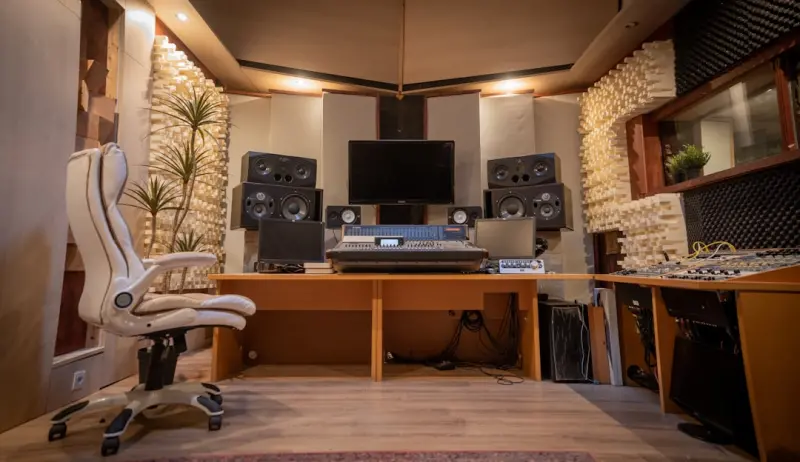
Transform Your Home into an Acoustic Sanctuary with Simple DIY Hacks
Discover practical, low‑cost strategies to tame household noise, from repurposed fabrics to strate... Read More
Unlock Hidden Storage: Clever Solutions for Every Room
Learn how to transform overlooked spots—under‑furniture, ceilings, doorways, and more—into sle... Read More
Top Posts

Designing a Pet‑Friendly Garden Oasis: Safety, Play, and Style
Learn how to craft a pet‑friendly garden that balances safety, fun, and style, using durable pathways, pet‑safe plants, and eco‑friendly features....Read More

Recalibrating Your Body Clock: A Fresh Take on Circadian Health
Discover practical, science‑backed ways to sync your internal clock, boost energy, and improve overall health by mastering light, timing, and lifestyle tweaks...Read More

Seasonal Porch Makeovers: Refresh Your Home’s First Impression
Learn how to revitalize your front porch with seasonal décor swaps, sustainable textures, smart lighting, and easy storage solutions for a fresh, welcoming loo...Read More

Why Skill Portfolios Are Outpacing Traditional Resumes in Today’s Talent Market
Portfolios now eclipse traditional resumes, offering real evidence of impact. Learn how to build, evaluate, and future‑proof skill portfolios for a faster, mo...Read More
0 Comments
Post Comment
You will need to Login or Register to comment on this post!