

Travel has stopped being a luxury vacation and has morphed into a perpetual rhythm for many of us who call the world our office. As someone who has swapped the traditional 9‑to‑5 grind for a life of airport lounges, co‑working cafés, and sunrise hikes on foreign cliffs, I’ve learned that the magic isn’t just in the destination—it’s in the cadence we create between work, exploration, and community. In this post, I’m sharing the framework I use to turn wandering into a sustainable, creativity‑fueling practice that feels less like a frantic sprint and more like a well‑orchestrated dance.
1. The Core Principle: Travel as a Structured Flow
Most travel advice tells you to “go where the wind takes you” or “follow your heart.” While romance has its place, the reality of maintaining a career while constantly on the move demands a bit more scaffolding. Think of your travel schedule as a flow state—a series of predictable blocks (work, rest, exploration) that repeat with slight variations based on geography and local culture.
By defining these blocks, you gain two critical benefits:
- Predictability for collaborators. Your team knows when you’re online, when you’ll be offline, and when you’re likely to be in a different time zone.
- Mental bandwidth. Your brain can shift gears without the anxiety of “what’s next?” because the next activity is already mapped out.
It sounds rigid, but the beauty lies in the flexibility within each block. For instance, “exploration” could be a city walking tour one week and a mountain bike ride the next. The structure is the anchor; the content is the wind.
2. Crafting Your Travel Rhythm
Below is the three‑step method I follow every time I decide to relocate, even if it’s just for a month:
- Define Your Work Window. Identify the number of hours you need to be “on” each day. For most SaaS roles, 6‑8 focused hours are enough if you batch tasks. Choose a time slot that aligns with the local daylight when possible—natural light boosts alertness.
- Map Local “Community Hubs.” Before you land, research co‑working spaces, maker labs, or even vibrant cafés that double as informal networking spots. These hubs become your secondary office and a source of spontaneous collaboration.
- Slot In “Discovery Hours.” Reserve at least 1‑2 hours daily for intentional immersion—whether it’s a language lesson, a cooking class, or a short hike. This is where the travel spirit seeps in without derailing productivity.
The result is a loop that repeats: work → community → discovery → rest, then back again.
3. Leveraging Technology Without Becoming a Drone
Automation can be a double‑edged sword for nomads. On one hand, tools like AI‑driven itinerary planners can free up mental space; on the other, over‑automation strips away the spontaneity that makes travel rewarding. The sweet spot is to automate the “mundane” while preserving the “human” moments.
Here are three tech categories I rely on:
- Smart Scheduling. Apps that auto‑adjust meeting times based on time‑zone differences, and that sync with your preferred “focus hours.”
- AI‑Powered Local Insights. Services that analyze social media chatter to surface hidden gems—think pop‑up art shows or underground music venues—so you can plan “discovery hours” that feel authentic.
- Lightweight Data Backups. Portable SSDs with end‑to‑end encryption keep your work safe, regardless of border crossings.
While I’m a fan of the latest tools, I’m also wary of letting them dictate my itinerary. As I often say, “Tech should be the backstage crew, not the lead actor.”
4. Community Over Isolation: The Power of Nomad Hubs
One of the biggest misconceptions about the nomadic lifestyle is that it’s a solo adventure. In reality, the most rewarding experiences come from the people you meet along the way. That’s why I prioritize community hubs—shared spaces where locals and travelers converge.
These hubs serve multiple purposes:
- Professional Networking. Quick coffee chats can evolve into joint projects or future referrals.
- Cultural Exchange. Learning a local phrase from a barista can unlock deeper conversations later.
- Emotional Anchor. Having a familiar face in a foreign city can reduce the loneliness that sometimes creeps in.
When scouting a new city, I start by searching for “digital nomad meetups,” “co‑working cafés,” and even “maker spaces.” The community you find there often becomes the first line of your support system, from troubleshooting a Wi‑Fi issue to recommending a hidden viewpoint.
5. Sustainable Travel Wardrobe: Packing Light, Living Light
Traveling light isn’t just a convenience; it’s an ethos. A streamlined wardrobe reduces the logistical burden of laundry, minimizes carbon footprints, and forces you to curate pieces you truly love. My go‑to strategy involves three core garments that can be mixed and matched:
- Technical Base Layers. Moisture‑wicking, quick‑dry shirts that work for both office calls and morning jogs.
- Versatile Bottoms. Convertible pants that zip off into shorts, paired with a neutral color palette to blend with any environment.
- Layerable Outerwear. A lightweight, packable jacket that works for city rain or mountain breezes.
Accessories like a compact travel scarf, a sturdy pair of sandals, and a minimalistic travel bag round out the kit. By limiting yourself to 10‑12 items, you eliminate decision fatigue and free up space for the souvenirs that truly matter: stories, photos, and connections.
6. Turning Uncertainty into Opportunity
Every new city brings a set of unknowns—fluctuating internet speeds, unpredictable local holidays, even sudden policy changes. The key is to see these variables not as obstacles but as opportunities for improvisation. When I first landed in a coastal town with spotty Wi‑Fi, I turned the downtime into a language immersion sprint, using a local library’s free internet for a few hours each day and spending the rest practicing conversation with locals.
If you need a deeper dive into how uncertainty can be reframed, check out turning supply‑chain uncertainty into opportunity with AI. The principles of embracing unknowns in business translate seamlessly to travel logistics.
7. The Role of Serendipity: Planned Spontaneity
While I champion structure, I also leave room for chance encounters. A simple way to embed serendipity is to allocate a “free slot” each week—no agenda, no reservation, just an open window. During this time, I wander the streets, sit on a park bench, or join a local event I discovered on a bulletin board. Often, those unscripted moments become the most memorable parts of a trip.
For inspiration on how to weave spontaneous experiences into a broader travel narrative, I recommend reading embracing serendipity on the road. It’s a masterclass in balancing intent with improvisation.
8. Balancing Work and Wanderlust Without Burnout
Burnout is the silent thief of many digital nomads. To guard against it, I practice three habits:
- Micro‑Rituals. A 5‑minute morning meditation, a nightly gratitude journal, or a quick stretch routine—these anchor your day regardless of location.
- Scheduled Offline Days. Once a month, I take a full day offline—no emails, no calls. I use that time to explore a new region or simply relax.
- Clear Boundaries. Communicate your “focus window” to teammates and stick to it. When the window closes, you truly switch off.
These practices keep the creative spark alive while ensuring that the “work” side of travel doesn’t eclipse the “wander” side.
9. Future‑Proofing Your Nomadic Lifestyle
As remote work policies solidify and more professionals adopt a location‑independent model, the ecosystem supporting travelers will mature. Expect to see:
- Co‑Living Communities. Spaces that blend accommodation with co‑working, offering shared kitchens, wellness rooms, and event calendars.
- AI‑Curated Travel Paths. Intelligent platforms that adjust itineraries in real‑time based on weather, local events, and personal productivity metrics.
- Cross‑Border Digital Identities. Secure, portable digital passports that simplify visa processes for long‑term stays.
Staying ahead of these trends means you can continue to travel efficiently while capitalizing on emerging resources.
10. Bringing It All Together: My Personal Travel Blueprint
Here’s a snapshot of a typical week in my nomadic routine:
| Day | Focus Window | Community Hub | Discovery |
|---|---|---|---|
| Monday | 08:00‑14:00 (UTC‑5) | Co‑working Café “Brew & Byte” | Evening language exchange |
| Tuesday | 09:00‑15:00 | Maker Lab “CraftSpace” | Local market tour |
| Wednesday | 07:30‑13:30 | Hotel Business Center | Yoga class at sunrise |
| Thursday | 08:00‑14:00 | Co‑working Hub “Nomad Nest” | Free slot – explore |
| Friday | 09:00‑15:00 | Co‑working Café “Brew & Byte” | Weekend trip planning |
| Saturday | Off | Community meetup | Hiking trail |
| Sunday | Off | Rest | Reflection & journaling |
This template isn’t set in stone; adapt it to the rhythm of your destination and personal energy levels. The goal is to create a repeatable pattern that lets you thrive professionally while feeding your innate curiosity.
Final Thoughts
Travel isn’t just a backdrop for Instagram stories; it’s a dynamic environment that can amplify your productivity, creativity, and sense of belonging—if you approach it with intentional design. By establishing a travel rhythm, leveraging technology judiciously, immersing yourself in community hubs, and leaving space for serendipity, you transform each relocation into a catalyst for growth.
So, the next time you hear the call of a new city, think beyond the sights. Sketch a simple flow, pack light, plug into the local network, and let the world become both your office and your playground.

David Moore is a freelance writer specializing in two dynamic and ever-evolving fields: gambling and the tech industry. With a keen eye for detail and a knack for unraveling complex topics, David delivers insightful and engaging content that keeps readers informed and entertained.
Related Posts
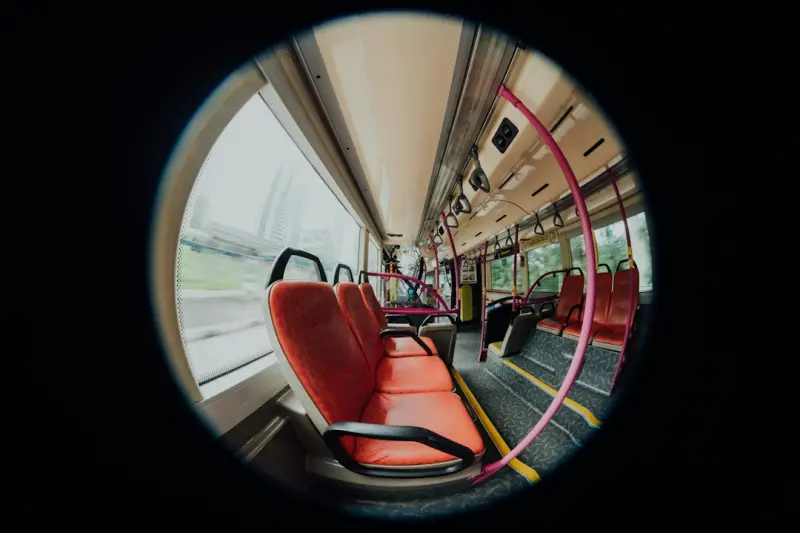
Turning Everyday Commutes into Micro‑Adventures
Learn to treat daily routes as micro‑adventures, using intentional pauses, a sensory backpack, and... Read More

Taste the World: How Cooking Global Recipes Turns Home Into a Travel Hub
Explore the art of turning your kitchen into a travel hub by cooking authentic dishes from around th... Read More
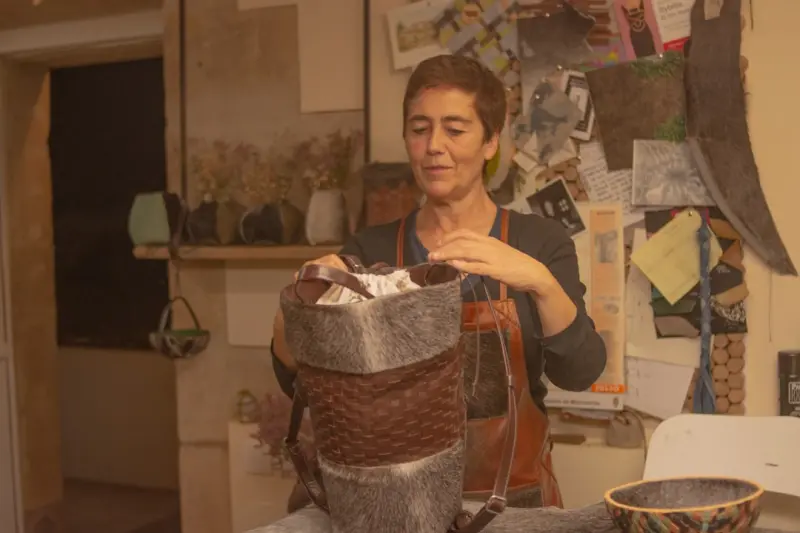
The Narrative Backpack: Crafting Stories That Outlast Your Trip
Discover a step‑by‑step guide to travel storytelling, from setting up a story bank before you de... Read More
Top Posts

When AI Becomes Your Writing Partner: A Fresh Take on Creative Collaboration
Discover how AI can serve as a creative co‑author, helping writers overcome block, generate fresh ideas, and maintain authenticity in their storytelling....Read More

Backyard Alchemy: Turning Everyday Materials into a Living Art Gallery
Learn to turn trash into treasure, layer plants for seasonal drama, and invite pollinators, creating a backyard that feels like a living art exhibit....Read More
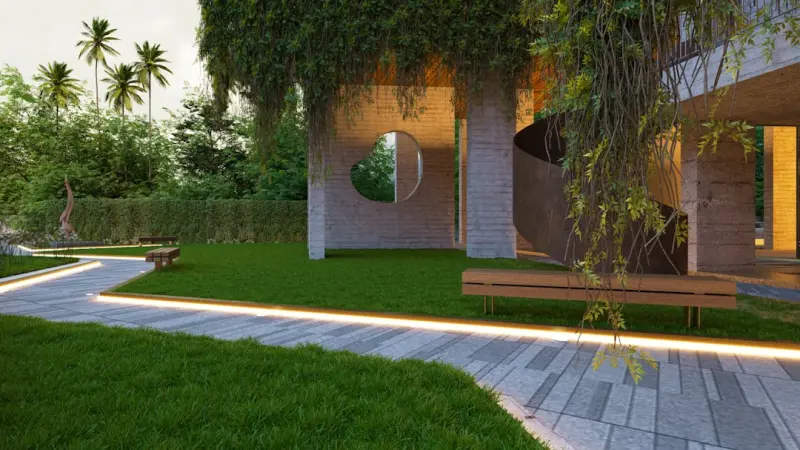
Designing a Pet‑Friendly Garden Oasis for Fun and Safety
Learn how to craft a pet‑friendly garden oasis that blends safety, style, and sustainability, offering fun spaces, safe plants, and creative upcycled features...Read More

Travel Light, Experience More: Mastering the Minimalist Journey
Learn to travel lighter and freer by building a capsule wardrobe, choosing multi‑purpose gear, and embracing sustainable habits that turn every trip into a sp...Read More
0 Comments
Post Comment
You will need to Login or Register to comment on this post!