
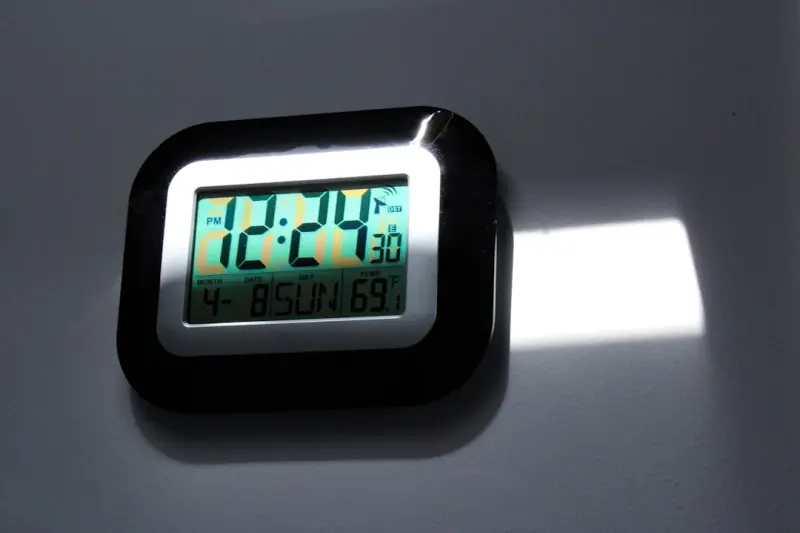
Finding Light in the Dark: How Daylight and Digital Boundaries Can Rewire Your Mental Well‑Being
When I first noticed the dip in my mood, it wasn’t a sudden crash—it was a slow, almost imperceptible dimming that crept in after countless hours hunched over a screen. I was a senior product manager at a fast‑growing SaaS firm, and my days were a blur of back‑to‑back meetings, endless Slack threads, and a calendar that never seemed to stop ticking. I thought I was “just busy,” but my body was sending louder signals: restless sleep, a lingering fog, and a growing sense of detachment from the world outside my office walls.
That was the moment I decided to treat my environment like a therapist—by inviting the most natural, free‑of‑cost therapist we have: daylight. The experiment that followed wasn’t about buying a fancy light therapy box or signing up for a new meditation app; it was about reclaiming the simple, physiological relationship between light, rhythm, and mood.
The Science of Light: Why Sunlight Is a Neuro‑Chemical Powerhouse
Our brains have evolved under the sun’s predictable cycle. When photons hit the retina, they trigger a cascade of neuro‑chemical reactions: serotonin spikes, melatonin regulation, and the alignment of our circadian clock. In short, exposure to natural light boosts the very neurotransmitters that keep us feeling alert, optimistic, and emotionally balanced.
Research shows that just 20‑30 minutes of morning sunlight can increase serotonin levels by up to 30 %, which translates to a measurable lift in mood and cognitive performance. Conversely, prolonged exposure to artificial blue light—especially from phones and laptops—can suppress melatonin, making it harder to fall asleep and leaving us groggy the next day.
Digital Boundaries: The Modern Antidote to Light Deprivation
In a world where “always‑on” has become the norm, setting intentional digital limits is as essential as stepping outside. I started by creating a “digital sunrise” and “digital sunset” for my workstation:
- Digital Sunrise: No screens for the first 30 minutes after waking. I use this time for a glass of water, a brief stretch, and a walk to the kitchen where the morning sun pours through the window.
- Digital Sunset: I turn off all non‑essential devices an hour before bed, swapping screen time for a physical book or a journal.
These simple habits not only reduced eye strain but also gave my brain a clear cue that it’s time to ramp up alertness in the morning and wind down at night.
Practical Steps to Harness Daylight at Work
Most offices, especially those in high‑rise buildings, can feel like caves. Yet, with a few strategic tweaks, you can flood your workspace with natural light:
- Desk Placement: If possible, request a desk near a window. Even a small shift can increase your exposure by 15‑20 %.
- Window Breaks: Set a timer to stand, stretch, and look out the window for a minute every hour. This “micro‑sunlight break” re‑sets your visual system and reduces screen fatigue.
- Light‑Reflective Surfaces: Mirrors, light‑colored walls, and glass partitions bounce daylight deeper into the room. A well‑placed mirror can double the amount of sunlight reaching your desk.
- Portable Light Sources: For days when the sky stays overcast, a simple daylight‑simulating desk lamp can provide the necessary spectrum without the harshness of typical office lighting.
Integrating Light with Your Sleep Routine
Morning light is only half the equation; the other half is protecting your night. A well‑aligned circadian rhythm not only improves mood but also sharpens memory consolidation, creativity, and decision‑making—critical assets for any professional.
One of my favorite resources on this topic is When Night Falls: Synchronizing Sleep and Personal Care for a Radiant Tomorrow. It offers a science‑backed roadmap to pair evening rituals with dim lighting, screen curfews, and temperature control, ensuring the body receives the dark cues it craves.
Here’s a concise version of that routine:
- Wind‑Down Window: Dim all lights to ≈ 200 lux an hour before bed. Use amber or warm‑white bulbs to minimize blue wavelengths.
- Screen Curfew: Activate night‑mode on devices and, if possible, use blue‑light‑filter glasses.
- Temperature Drop: Lower the room temperature by 1‑2 °C; cooler environments signal the body to produce melatonin.
- Consistent Bedtime: Go to sleep and wake at the same time daily, even on weekends.
Breathing in Light: Pairing Daylight With Structured Breathwork
While daylight does the heavy lifting, integrating intentional breath practices can amplify its benefits. I discovered a powerful synergy between natural light exposure and the breathing technique outlined in Why Structured Breathwork Is the Secret Weapon for Modern Professionals. The article details a 4‑minute box‑breathing routine that, when performed in the morning sunlight, can further elevate oxygen flow and calm the nervous system.
Try this simple sequence during your digital sunrise:
- Inhale for four counts, feeling the warm sunlight on your skin.
- Hold for four counts, visualizing the light energizing each cell.
- Exhale for four counts, releasing any tension.
- Hold for four counts, appreciating the quiet moment before the day begins.
Doing this for just five minutes can sharpen focus, reduce anxiety, and set a positive tone for the entire workday.
The “Light‑First” Mindset: A Cultural Shift at Work
Implementing these practices individually is a great start, but the real transformation happens when teams adopt a “light‑first” culture. Here’s how you can champion this change:
- Leadership Modeling: When managers schedule meetings near windows or encourage daylight breaks, it normalizes the behavior.
- Office Design Audits: Conduct a simple audit of lighting conditions and share findings with the team. Highlight areas where improvements can be made.
- Policy Updates: Introduce guidelines that limit after‑hours email expectations, reducing the need for late‑night screen exposure.
- Wellness Challenges: Host a “30‑Day Daylight Challenge” where participants track their daily sunlight exposure and share tips.
These initiatives don’t just improve mental health—they also boost productivity, lower burnout rates, and foster a sense of community around shared well‑being goals.
Measuring Impact: From Subjective Feelings to Tangible Data
As a data‑driven professional, I love quantifying results. Here are three simple metrics you can track to gauge the effectiveness of your daylight and digital boundary experiments:
- Sleep Quality Score: Use a wearable or sleep app to monitor sleep latency, duration, and deep‑sleep percentage before and after implementing the routine.
- Mood Journal: Rate your mood on a 1‑10 scale each morning and note any correlation with sunlight exposure duration.
- Productivity Log: Track the number of tasks completed or the time spent in “flow” states during periods with increased daylight exposure.
Within a few weeks, many people notice a measurable uplift in these scores, reinforcing the physiological link between light, digital habits, and mental performance.
Conclusion: Let the Sun Be Your First Line of Defense
In the age of AI, data, and relentless connectivity, the most powerful mental health tool might be the one that has always been above us—sunlight. By deliberately aligning our digital habits with natural light cycles, we create a rhythm that supports serotonin production, melatonin balance, and overall emotional resilience.
So tomorrow morning, before you reach for your phone, step outside, feel the warmth on your skin, breathe deeply, and let the light set the tone for a day of clarity, focus, and calm. Your brain will thank you, your body will follow, and your work will reflect the newfound balance.

Melanie Wilson, Freelance writer with a flare for everything. I am passionate about topics I write crafting stories and compelling content that connect with audiences. Journeying through the realms of creativity as a freelance creator. #WriterLife #ContentCreator
Related Posts

Unlocking the Power of Structured Daydreaming for Mental Resilience
Structured daydreaming turns mind‑wandering into a purposeful mental workout, enhancing creativity... Read More

Inbox Zero: The Surprising Mental Health Boost of a Clean Digital Space
A cluttered inbox spikes stress and drains mental energy. Learn a step‑by‑step Inbox Zero method... Read More

Laugh Lines: Harnessing Humor to Fortify Workplace Mental Health
A practical guide to integrating positive, inclusive humor into daily work routines, showing how lau... Read More
Top Posts

The Secret Power of a Purpose‑Built Entryway
Learn how to redesign your entryway into a purposeful zone that reduces clutter, saves energy, and streamlines your daily routine with practical, stylish soluti...Read More
Why Remote‑First Hiring Hubs Are Redefining the Talent Landscape
Explore the rise of remote‑first hiring hubs, where geography fades, culture thrives, and performance metrics shift to value‑driven outcomes, unlocking glob...Read More

Wander‑Wise: Curating a Portable Mind‑Gym for the Modern Nomad
Travel isn’t just about places; it’s about shaping a portable mindset. This post reveals a “mind‑gym” of micro‑reflections, sound anchors, and curio...Read More

Reimagining Personal Care for the Remote‑Work Era
A practical guide for remote‑workers to redesign personal‑care habits using micro‑rituals, dedicated spaces, and smart technology, turning everyday routin...Read More
0 Comments
Post Comment
You will need to Login or Register to comment on this post!