
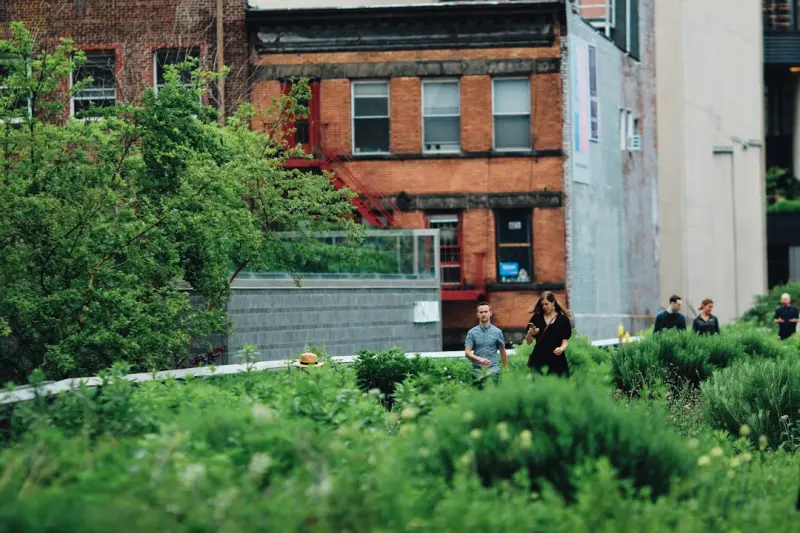
Bringing the Outside In: A Fresh Take on Urban Biophilic Spaces
Living in a bustling city often feels like being trapped in a glass box—walls, concrete, and the relentless hum of traffic. Yet, the human psyche has an ancient craving for green. The moment we step outside, even a brief glimpse of a leaf or a splash of moss triggers a subtle, restorative response. As someone who grew up on the rooftops of a high‑rise, I’ve learned to coax nature into the narrowest of gaps, turning balconies, window sills, and even laundry rooms into thriving mini‑ecosystems. This isn’t about “green décor” that wilts after a month; it’s about building resilient, low‑maintenance habitats that nurture both plants and the people who care for them.
The Core Principle: Choose Plants That Serve Multiple Roles
When you think of a plant, you probably picture a pretty leaf or a fragrant bloom. In a compact urban setting, every square foot is precious, so the plants you select should wear several hats:
- Air‑purifying champions: Species like the spider plant, snake plant, and peace lily actively filter volatile organic compounds (VOCs) and boost oxygen levels. A healthier indoor atmosphere can improve focus and reduce fatigue.
- Natural humidifiers: Ferns and pothos release moisture during transpiration, which can be a quiet ally in dry apartments, especially during winter heating cycles.
- Edible assets: Herbs such as basil, mint, and chives thrive in small containers and reward you with fresh flavors for cooking, cutting down grocery trips and waste.
- Acoustic dampeners: Dense foliage can absorb echoes, turning a stark hallway into a calmer, more intimate space.
The secret is to think of each plant as a multifunctional tool rather than a decorative afterthought. This mindset aligns perfectly with the broader concept of the role of sensory experiences in everyday life—your home becomes a living, breathing sensor that adjusts light, humidity, and sound for you.
Start Small: The “Micro‑Garden” Method
Before you dive into a sprawling vertical forest, experiment with a micro‑garden. A single tray on a sunny windowsill can host a trio of herbs, a succulent, and a small fern. This test run lets you gauge light levels, watering frequency, and your own commitment. It also offers a quick win: harvest a handful of fresh herbs for dinner, feel the satisfaction of nurturing life, and notice how the air feels a touch fresher.
Key steps for a successful micro‑garden:
- Assess light: South‑facing windows provide the most consistent sunlight. If natural light is limited, a low‑watt LED grow light can supplement without spooking the neighbors.
- Select the right medium: A lightweight, well‑draining potting mix prevents waterlogging. Adding a bit of perlite improves aeration for root health.
- Water wisely: Overwatering is the most common mistake. Feel the top inch of soil; if it’s dry, it’s time to water. A spray bottle can be handy for delicate seedlings.
- Rotate periodically: Plants naturally lean toward light. Rotate the tray every few days to promote even growth.
Vertical Gardens: Turning Walls into Living Art
Once you’ve mastered the micro‑garden, consider going vertical. Wall‑mounted planters, pocket systems, or even repurposed shoe organizers can create a striking green tapestry. Here’s why vertical gardening is a game‑changer for city dwellers:
- Space efficiency: You free up floor area while still hosting a generous number of plants.
- Thermal regulation: A green wall can act as an insulating layer, keeping interiors cooler in summer and retaining warmth in winter.
- Visual depth: Layers of foliage add a sense of dimension, making compact rooms feel larger.
To install a vertical system, follow these practical steps:
- Choose a sturdy mounting surface: Drywall anchors are fine for light planters, but for heavier setups, locate studs or use a reinforced rail system.
- Pick modular units: Interlocking pockets or modular panels let you expand the garden over time.
- Plan irrigation: A simple drip line with a timed pump can automate watering, reducing daily maintenance.
- Mix plant heights: Combine trailing vines (like pothos) with upright species (like aloe) for a balanced silhouette.
Balcony Oases: Beyond Potted Plants
If you’re lucky enough to have a balcony, think of it as a miniature public park. The key is layering:
- Ground layer: Use shallow trays or low‑profile planters for herbs and groundcover.
- Mid‑level layer: Add taller containers for dwarf citrus trees, dwarf tomatoes, or ornamental grasses.
- Canopy layer: Hang trailing vines or install a trellis for flowering climbers like clematis or morning glory.
Don’t overlook furniture that doubles as planters—bench seats with built‑in storage can hold soil, while fold‑out tables can accommodate a small herb garden. Incorporating natural textures—bamboo mats, reclaimed wood, or stone tiles—helps blur the line between interior and exterior, fostering a sense of continuity.
Lighting the Green: Natural Light vs. Artificial Solutions
While daylight is the gold standard for photosynthesis, many apartments lack sufficient sun. Rather than relying on a single, intense grow light, consider a layered lighting strategy:
- Ambient LED strips: Place them behind shelves to provide soft, diffused illumination that mimics sunrise.
- Spot grow LEDs: Focus these on demanding species like herbs during peak growth phases.
- Reflective surfaces: White walls or mirrored panels bounce light deeper into the space, reducing the need for additional fixtures.
Remember, plants also respond to light cycles. A simple timer that mimics a 12‑hour day/night rhythm can keep them thriving, even when you’re away on a weekend getaway.
Smart Yet Simple: Low‑Tech Monitoring for High‑Touch Results
You don’t need a full‑blown IoT ecosystem to keep your garden healthy. A handful of inexpensive tools can give you the data you need:
- Moisture sticks: Inserted into the soil, they provide a quick visual cue for water needs.
- pH test strips: Most indoor plants prefer slightly acidic to neutral soil (pH 6.0‑7.0).
- Mini hygrometers: Place one near your most humidity‑sensitive fern to monitor ambient moisture levels.
If you enjoy a touch of technology, a basic Bluetooth soil sensor can sync with your phone, sending alerts when watering is required. The goal is to stay connected without becoming dependent on a wall of data.
Integrating Green with Everyday Activities
Plants can be more than background scenery; they can actively support daily routines:
- Cooking: Harvest fresh basil for pesto right after you’ve trimmed it—an immediate reward that reinforces the habit.
- Mindful moments: Spend a few minutes each morning watering your balcony garden. The rhythmic act can serve as a grounding practice, subtly improving focus for the day ahead.
- Home office boost: Position a small, low‑maintenance plant like a ZZ‑plant or a pothos near your monitor. Studies show that even a single leaf can reduce perceived stress and increase productivity.
Seasonal Swaps: Keeping the Garden Dynamic
One of the joys of urban gardening is the ability to rotate plants with the seasons. In cooler months, replace sun‑loving succulents with shade‑tolerant varieties like the cast iron plant. As spring arrives, transition to fast‑growing herbs that love the longer daylight hours. This rotation not only keeps the visual interest fresh but also aligns with the natural growth cycles of each species, reducing the need for artificial interventions.
Community Building: Sharing the Green Love
Urban living can feel isolating, but a shared garden can become a social hub. Consider starting a “plant swap” with neighbors—exchange cuttings, share tips, or even co‑manage a communal balcony garden. This collaborative approach mirrors the ethos of strategic partnership—you’re leveraging collective knowledge to achieve a greener, more resilient living environment.
Maintenance Minimalism: The 5‑Minute Daily Ritual
Consistency beats intensity. Rather than a weekly marathon of pruning and repotting, adopt a quick daily check:
- Inspect leaves for yellowing or pests.
- Touch the soil surface; if it feels dry, give a brief watering.
- Rotate pots to ensure even light exposure.
- Remove any dead foliage to prevent disease spread.
- Take a moment to appreciate the growth—a mental pause that reinforces your commitment.
These five minutes blend seamlessly into morning routines, making plant care feel less like a chore and more like a mindful habit.
Future‑Proofing Your Green Space
As cities evolve, so do the opportunities for integrating nature into built environments. Rooftop farms, modular green walls, and climate‑responsive architecture are on the rise. By starting small and mastering the fundamentals—multifunctional plant selection, efficient lighting, and low‑tech monitoring—you position yourself to seamlessly adopt larger, community‑scale initiatives when they become available.
Closing Thoughts: The Subtle Power of Green
Creating a biophilic haven in a compact urban home isn’t about grand gestures; it’s about the cumulative impact of tiny, intentional choices. Each leaf, each breath of fresh air, each moment spent tending to a pot, contributes to a healthier, more vibrant living experience. When you look around your balcony, window sill, or living‑room wall and see life thriving, you’ll realize that the biggest transformation isn’t the garden itself—it’s the quiet, lasting shift in how you perceive and inhabit your space.

Mei Chen is a dynamic professional who brings a unique blend of skills to Blogging Fusion. As a key contributor to the Blogging Fusion platform, she leverages her writing expertise to create engaging content that resonates with our audience.
Related Posts
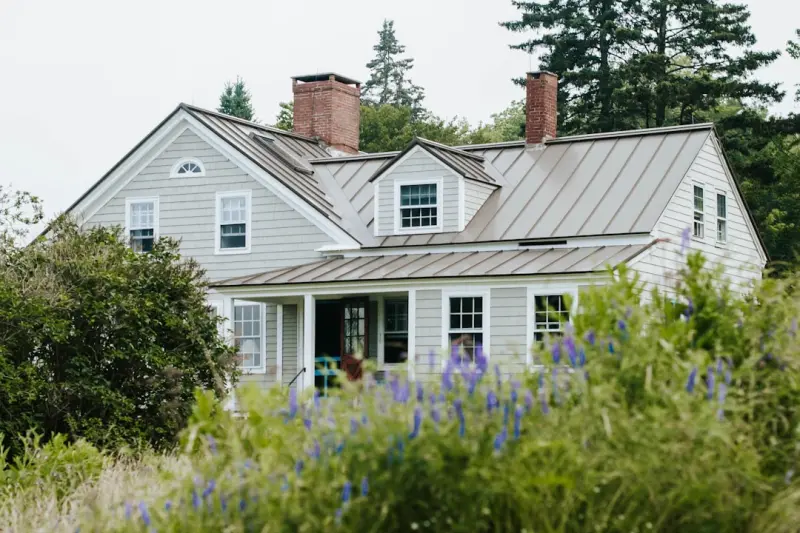
Cultivating an Outdoor Reading Oasis: Garden Book Nook Ideas
Learn to transform any garden corner into a cozy outdoor reading oasis with tips on placement, seati... Read More
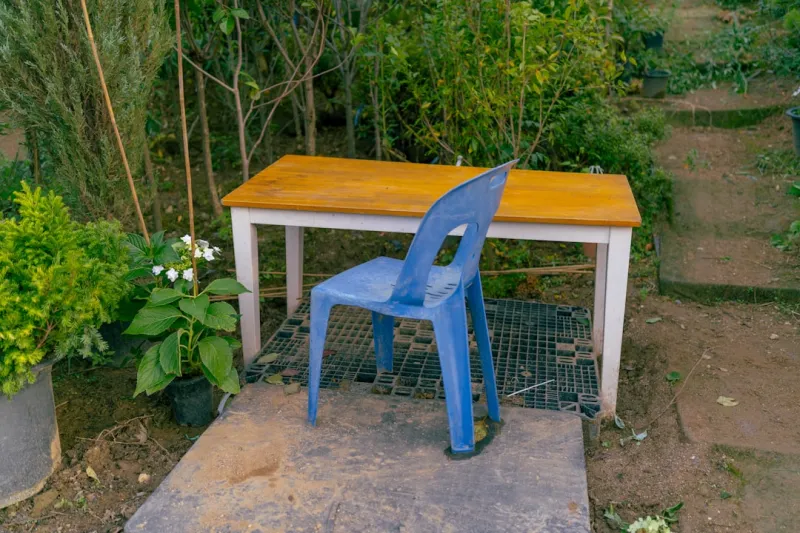
Cultivating Productivity: How Garden Desks Transform Home Life
A garden desk isn’t just furniture; it’s a lifestyle upgrade that merges work, wellness, and the... Read More
Turn Your Backyard Into a Nighttime Oasis Without Breaking the Bank
Learn how to craft a stunning backyard night oasis using reclaimed lanterns, solar string lights, sm... Read More
Top Posts

Transparent Pay Bands: How Salary Visibility Boosts Trust and Retention
Transparent pay bands give employees a clear compensation framework, building trust, enhancing retention, and supporting a culture of fairness and growth....Read More

Turn Your Backyard into a Garden Desk Oasis
Learn to transform your backyard into a productive garden desk oasis with practical design tips, plant choices, tech tricks, and maintenance advice for a harmon...Read More

Why Sabbaticals Are the Secret Weapon for Modern Companies
Sabbaticals, once a rare perk, are now a strategic asset for companies seeking innovation, higher retention, and stronger employer branding. Learn how to design...Read More
The Secret Life of Soil: DIY Amendments for a Thriving Garden
Discover practical, step‑by‑step methods to transform ordinary dirt into a vibrant, living foundation for your garden, from composting to mycorrhizae and mu...Read More
0 Comments
Post Comment
You will need to Login or Register to comment on this post!