
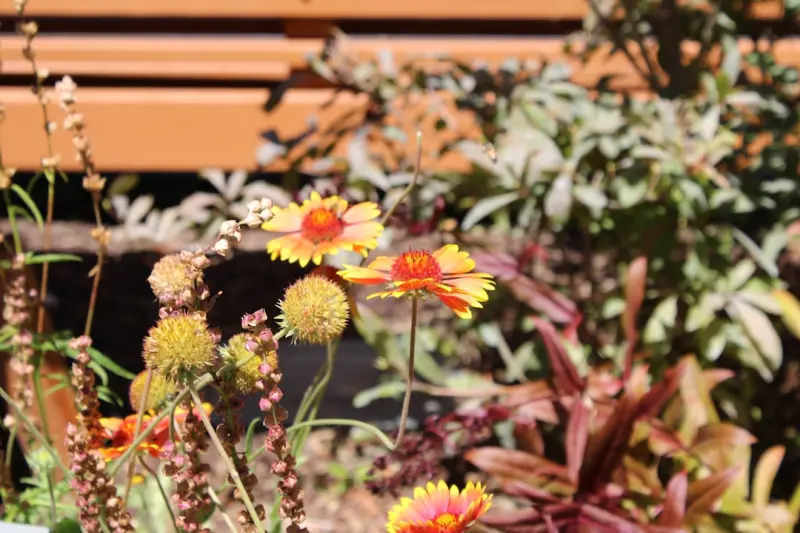
Why a Native‑Plant Garden Is the Ultimate Low‑Maintenance Choice
When I first stepped onto my own backyard after a long week, I craved a space that felt effortless yet vibrant, a garden that would thrive without demanding a daily‑to‑hourly schedule—enter the native‑plant garden, a living homage to the region’s own flora. Native species have evolved alongside the local climate, soil microbes, and pollinators, meaning they require far less irrigation, fertilizer, or pest control than exotic imports, allowing you to spend more time enjoying the view and less time wrestling with weeds. By focusing on plants that are already adapted to the area, you create a resilient ecosystem that not only looks beautiful but also supports the bees, butterflies, and birds that call our neighborhoods home.
Assessing Your Site: Sun, Soil, and Micro‑Climates
The first step toward a thriving native garden is a candid audit of the space: note the hours of direct sunlight each zone receives, feel the texture of the soil, and identify any subtle micro‑climates such as wind‑sheltered corners or low‑lying damp patches. A simple “sun map” drawn on graph paper can reveal surprising patterns—perhaps a north‑facing wall receives just enough dappled light for shade‑loving wild columbine, while a sunny southern edge is perfect for goldenrod and coneflower. Testing the soil’s pH with a home kit will tell you whether you need to amend the bed with lime or sulfur, but more often native plants will tolerate a wide range of conditions, forgiving the occasional misstep.
Choosing the Right Native Species to Attract Pollinators
Once you know the light and soil profile, you can hand‑pick a palette of native wildflowers, grasses, and shrubs that act as nectar highways for pollinators. Species like bee balm, black-eyed Susan, and purple prairie clover bloom at different times, providing a continuous food source from early spring through late fall, and their vibrant colors act as visual beacons for honeybees, bumblebees, and solitary bees alike. If you’re near a water feature, consider adding swamp milkweed or cardinal flower, which thrive in moist conditions and draw hummingbirds as well as butterflies. By clustering plants with similar water needs, you further reduce maintenance and create a tidy, cohesive look that feels intentional rather than accidental.
Designing for Continuous Bloom: Staggered Flowering and Layered Heights
One of the most satisfying tricks of native gardening is arranging plants so that something is always in bloom, a principle known as “successional flowering.” Plant early‑season pioneers such as Virginia bluebells alongside mid‑season stars like coreopsis, and finish with late‑season beauties like asters, ensuring that the garden never looks barren. In addition to color, think vertically: low‑lying groundcovers like creeping phlox can soften the soil surface, mid‑height perennials add texture, and taller grasses like little bluestem provide movement in the wind and shelter for nesting insects. This layering not only pleases the eye but also creates diverse habitats that encourage a broader range of wildlife.
Soil Preparation and Mulching the Easy Way
Preparing the bed for native plants is surprisingly straightforward—clear away any invasive weeds, loosen the top 6‑8 inches of soil, and incorporate a thin layer of well‑rotted compost to jump‑start microbial activity without overwhelming the native seed bank. After planting, spread a generous 2‑3 inch blanket of organic mulch such as shredded bark or pine needles; this conserves moisture, suppresses weeds, and slowly breaks down to enrich the soil, all while maintaining the natural aesthetic of a woodland floor. For gardeners who love to close the nutrient loop, check out home composting tips that turn kitchen leftovers into a nutrient‑rich amendment perfectly suited for native beds.
Water‑Wise Design: Integrating a Rain Garden Pocket
Even low‑maintenance gardens benefit from thoughtful water management, and a modest rain garden can capture runoff while providing a moist haven for water‑loving natives. Locate the rain garden in a natural low spot, dig a shallow basin, and line it with a permeable fabric before filling it with a mix of sand, compost, and native wet‑soil plants like joe‑pye weed and swamp sunflower. The basin not only reduces erosion but also creates a seasonal pond that attracts dragonflies and amphibians, adding another layer of biodiversity. For an extra creative touch, repurpose old terracotta pots or reclaimed concrete as edging; a quick guide on DIY upcycled planters shows how to turn household items into functional garden architecture.
Welcoming Beneficial Wildlife: Nesting Boxes and Bee Hotels
Beyond flowers, a truly thriving native garden offers shelter for the very insects that pollinate it, so consider installing bee hotels made from drilled bamboo or reclaimed wood blocks, and hang a few small birdhouses in the taller shrubs. These structures are inexpensive to build and provide critical overwintering sites for solitary bees and safe nesting spots for chickadees and wrens, turning your garden into a year‑round sanctuary. Position bee hotels in sunny, south‑facing locations protected from wind, and line the base with a thin layer of dry straw to keep the nests dry. The gentle hum of resident pollinators will become a soothing soundtrack to your outdoor moments, reinforcing the feeling that you’re part of a larger, living network.
Seasonal Maintenance: Pruning, Deadheading, and Gentle Care
While native plants demand less attention than their high‑maintenance cousins, a light seasonal routine keeps the garden tidy and encourages prolific blooming. In early spring, cut back any dead winter foliage, and divide crowded clumps of perennials to maintain vigor; a clean division also creates new planting material for future expansions. Throughout the growing season, practice selective deadheading—snipping spent blossoms encourages a second wave of flowers without harming the plant’s natural cycle. Late fall is the perfect time to apply a thin mulch layer again, protecting roots from frost and preparing the soil for the next spring’s burst of life.
Adding Personality: Garden Art, Pathways, and Seating Nooks
Even the most functional native garden benefits from a dash of personal style; a winding gravel pathway edged with flat stones invites leisurely strolls, while a simple wooden bench nestled among the taller grasses becomes a quiet reading spot. Incorporate subtle art pieces—like a reclaimed metal wind chime or a weathered stone sculpture—so the garden feels curated rather than purely botanical. These elements don’t just please the eye; they create intentional “rooms” within the garden, guiding visitors through a sensory journey that balances wildness with thoughtful design.
Measuring Success and Savoring the Simplicity
After the first full season, step back and observe the garden’s performance: note which pollinators frequent the blossoms, how the soil feels after a rain, and whether any weeds have managed to infiltrate the mulch. Success isn’t measured solely by flawless aesthetics but by the resilience of the ecosystem you’ve nurtured—a garden that feeds bees, provides shade, and looks effortlessly beautiful is the ultimate reward. As the weeks turn into years, you’ll find that the garden’s rhythm aligns with your own, offering a low‑maintenance retreat that feels both cultivated and wild, a perfect illustration of how thoughtful planting can simplify life while enriching the world around us.

When it comes to the world of blogging and writing, Rose DesRochers is a name that stands out. Her passion for creating quality content and connecting with her audience has made her a trusted voice in the industry. Aside from her skills as a writer and blogger, Rose is also known for her compassionate nature.
Related Posts
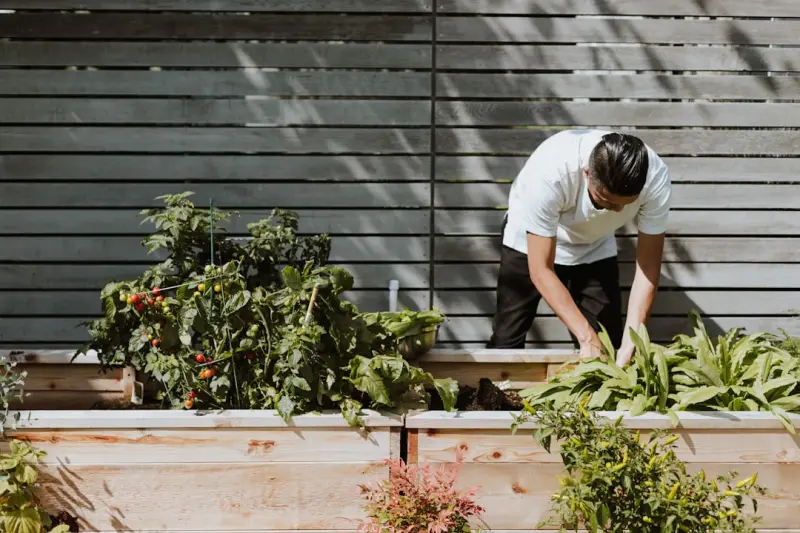
Vertical Edible Gardens: Harvesting Freshness on Your Home Walls
A step‑by‑step guide to building a vertical edible garden in compact homes, blending practical d... Read More
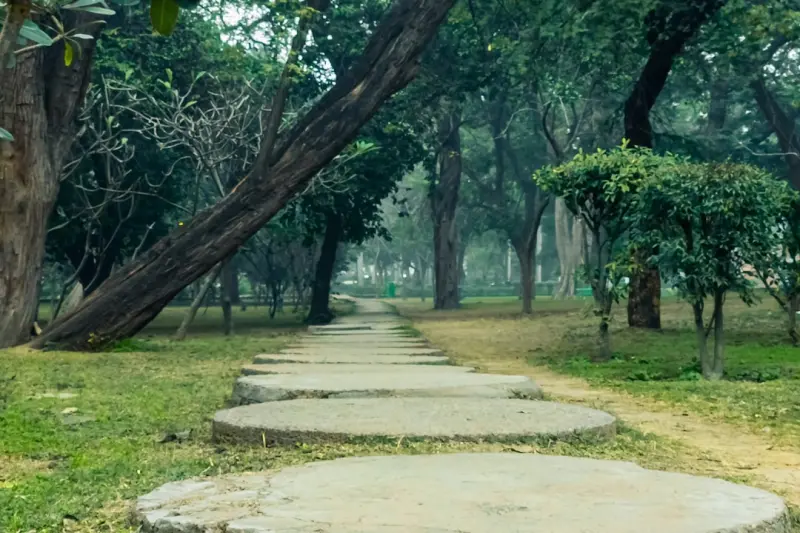
Scented Garden Pathways: A Fragrant Walk Through Your Backyard
Discover how to design a scented garden pathway that delights the senses, attracts pollinators, and ... Read More
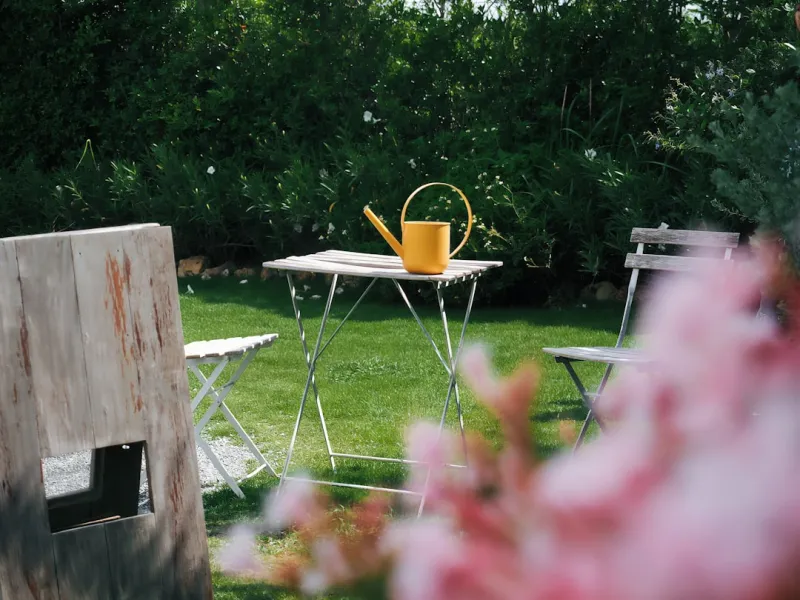
Garden Desk Revolution: Transforming Your Backyard Into a Productivity Oasis
A garden desk isn’t just a piece of furniture; it’s a game‑changing workspace that blends natu... Read More
Top Posts

Beyond the Notebook: How AI is Rewriting Organizational Memory
AI is turning daily conversations, meeting notes, and emails into a searchable, living knowledge base. Learn how this new approach to organizational memory boos...Read More
Garden Desks: The Home & Garden Trend Redefining Work and Wellness in 2026
Explore the rise of garden desks in 2026, blending productivity with nature. Get design ideas, tech tips, and sustainability hacks for a thriving home‑garden ...Read More

Silent Power: How Smart Lighting Transforms Mood and Energy at Home
Learn to turn any room into a mood‑responsive sanctuary with smart lighting, from morning focus boosts to evening wind‑downs, while saving energy and enhanc...Read More

Nurturing Your Mood: How the Gut Microbiome Shapes Emotional Health
Explore the gut‑brain connection and uncover everyday foods and habits that nurture your microbiome, fostering a calmer, more resilient mind....Read More
0 Comments
Post Comment
You will need to Login or Register to comment on this post!