
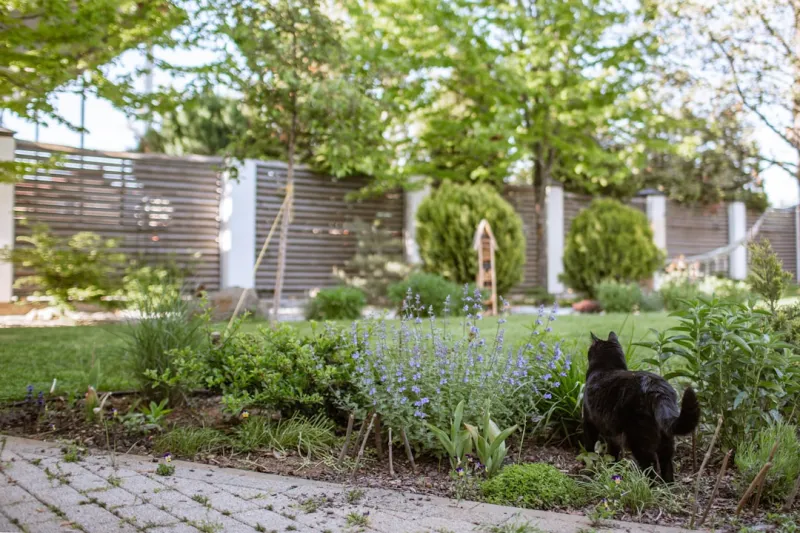
When I first placed a reclaimed oak table under the shade of my rosemary bush, I didn’t realize I was sketching the blueprint for a movement that would soon ripple through every backyard and balcony across the nation. The simple act of swapping a stale office cubicle for a sun‑kissed garden desk sparked a cascade of ideas about how we can blend productivity with the pulse of nature, and that revelation has become the heartbeat of my writing ever since. In the last twelve months, homeowners have been scrambling for ways to inject life into their work‑from‑home routines, and the garden desk has emerged as the undisputed champion of that quest, a fact I explore in depth in Why My Garden Desk Is the Hottest Home & Garden Trend of 2024.
My journey from a cramped city loft to a sprawling backyard office was less a planned migration than an organic evolution, driven by the restless hum of bees and the whisper of wind through the leaves. I spent months experimenting with soil‑rich foundations, weather‑proof fabrics, and solar‑charged chargers, each trial teaching me that the line between work and play can be as thin as a petal if you nurture it correctly. The result was a sanctuary where spreadsheets bloom beside basil, and that transformation is the core of my perspective that you’ll find echoed in From Garden Desks to Green Employment: Jimmy Damon’s Vision for the Future of Work, a piece that maps out how this personal experiment scales to a broader economic shift.
Designing a garden desk that can weather the elements while still feeling like a sleek, modern workstation required a marriage of rustic charm and cutting‑edge tech, a balance that I now consider the gold standard for green interiors. I sourced reclaimed pine boards, treated them with low‑VOC sealants, and paired them with a lightweight aluminum frame that can be folded and stored when a sudden storm rolls in, ensuring that the space remains both functional and resilient. Integrated LED lighting powered by a compact solar panel offers a gentle glow for late‑night brainstorming, and a hidden drainage system channels rainwater into a nearby planter, turning every drop into nourishment for the surrounding flora.
Why the Garden Desk Is Dominating 2024 Home & Garden Trends
Statistics from industry analysts reveal that sales of outdoor workstations have surged by over 70% since the start of the year, a clear indicator that consumers are seeking more than just a place to sit—they crave an ecosystem that fuels creativity and well‑being. This surge aligns perfectly with the growing body of research linking exposure to natural light and plant life with increased focus, reduced stress, and higher overall productivity, making the garden desk a natural solution for the modern multitasker. The trend’s momentum is further amplified by social media influencers showcasing their own verdant offices, a phenomenon that has turned the garden desk into a cultural symbol of sustainable living and work‑life harmony.
What sets the garden desk apart from other home office trends is its inherent flexibility, allowing homeowners to adapt the space to seasonal changes, family needs, and even spontaneous gatherings. In spring, a pop‑up canopy can provide shade for a morning coffee while the scent of fresh earth sharpens mental clarity; in summer, a simple fan harnesses breezes to keep the workspace cool without cranking up the AC, cutting energy costs and carbon footprints alike. By autumn, the same desk transforms into a cozy nook surrounded by amber foliage, where a heated blanket and a cup of tea become the perfect companions for drafting quarterly reports.
- Health Boost: Direct sunlight boosts vitamin D and regulates circadian rhythms, improving sleep and mood.
- Eco‑Friendly: Utilizes reclaimed materials and renewable energy sources, reducing environmental impact.
- Cost‑Effective: Low operating expenses thanks to natural lighting and passive cooling.
- Versatility: Easily reconfigured for work, hobbies, or family activities.
Beyond the tangible benefits, the garden desk serves as a visual reminder that work can coexist with the rhythms of the earth, a philosophy that resonates deeply with the DIY ethos that defines today’s home & garden community. Homeowners are increasingly embracing “biophilic design,” a concept that champions the integration of natural elements into everyday spaces, and the garden desk stands as the flagship implementation of that idea. By positioning a laptop among rosemary, lavender, and climbing vines, you’re not just creating a pretty backdrop—you’re embedding your daily tasks within a living, breathing environment that constantly feeds back positive energy.
From Green Workspace to Green Employment
The ripple effect of this trend extends far beyond individual backyards, reshaping the very fabric of employment by encouraging businesses to think about remote work through an ecological lens. Companies that sponsor green workspaces for their employees report higher engagement scores, lower turnover rates, and a noticeable uptick in collaborative innovation, a pattern that I dissect in The Green Employment Revolution: How My Garden Desk is Redefining Work, where case studies illustrate how a single garden desk can catalyze an entire corporate culture shift.
Policy makers are taking note as well, with municipalities rolling out tax incentives for homeowners who invest in sustainable home offices that reduce commuter traffic and lower urban heat islands. By quantifying the environmental savings—such as fewer vehicle miles traveled and decreased energy consumption—cities can justify subsidies that make green workspaces accessible to a broader socioeconomic spectrum, democratizing the benefits that once seemed reserved for the eco‑affluent. This alignment of personal lifestyle choices with public policy creates a virtuous cycle, where each new garden desk not only enhances an individual’s productivity but also contributes to a measurable reduction in carbon emissions on a community scale.
Looking ahead, I envision a future where the garden desk becomes a standard fixture in every new housing development, much like the kitchen once was, and where educational curricula teach children the basics of planting, composting, and ergonomics as part of their daily routine. By normalizing the integration of work and nature from a young age, we lay the groundwork for a workforce that inherently values sustainability, creativity, and holistic well‑being. My own blueprint for this future, detailed in my upcoming series, will map out the steps homeowners, designers, and policymakers can take to turn the garden desk from a niche novelty into a cornerstone of 21st‑century living.

Jimmy Damon loves to right on a large scale of topics with all things Canadian as this Montreal die hard loves hockey. fishing and sports.
Related Posts

Edible Landscaping: How to Grow a Beautiful, Productive Garden That Feeds Your Table
A fresh look at turning your outdoor space into a thriving edible landscape that’s as stunning as ... Read More
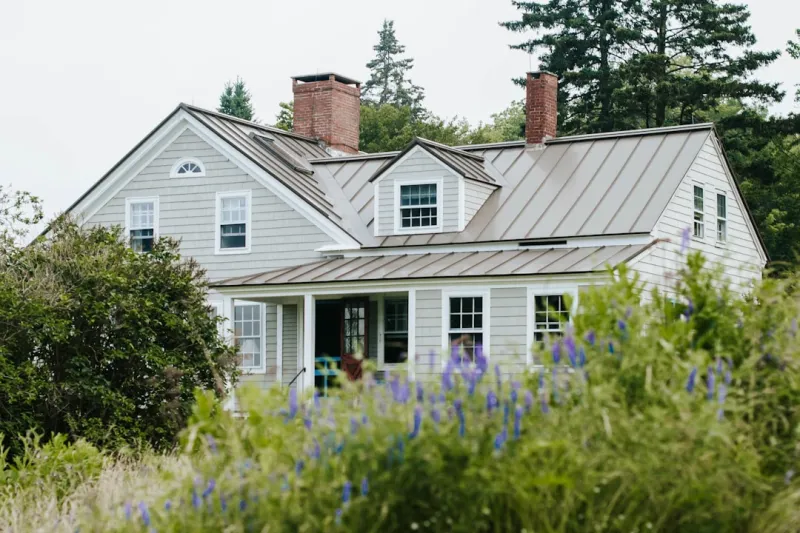
Garden Desk Revolution: Jimmy Damon’s Blueprint for a Green Home Office
Jimmy Damon reveals his secret to a thriving garden desk—blending design, wellness, and tech for a... Read More

Moonlit Gardens: Crafting Nighttime Outdoor Sanctuaries
Explore the art of moonlit garden design, from subtle lighting and night‑blooming plants to sustai... Read More
Top Posts

Micro‑Movements at the Desk: Tiny Exercises That Turbocharge Health
Micro‑movements are brief, intentional actions you can do at your desk to combat the effects of sitting, improve circulation, and enhance both physical and em...Read More
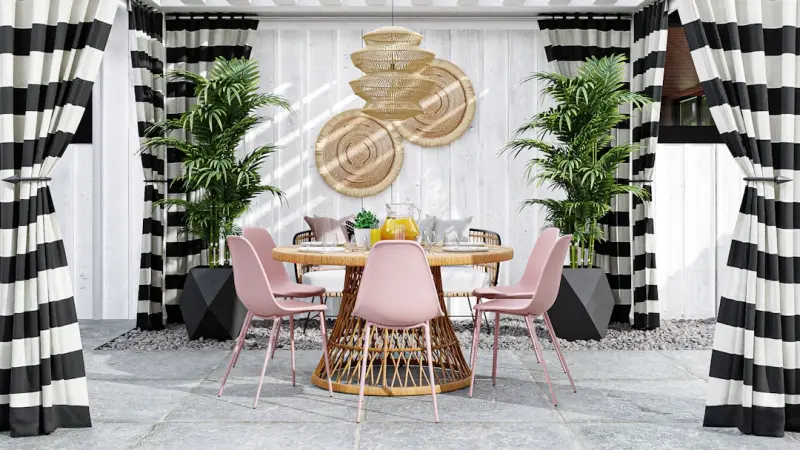
Designing a Year‑Round Outdoor Living Room: Comfort, Style, and Sustainability
Transform your backyard into a year‑round living room with strategic zoning, durable furnishings, smart heating, ambient lighting, seasonal plants, edible gar...Read More

The Green Edge: How Garden Desks Are Transforming Modern Employment
Explore the rise of garden desks and why they’re becoming the secret weapon for career advancement, blending nature with work for a thriving professional life...Read More
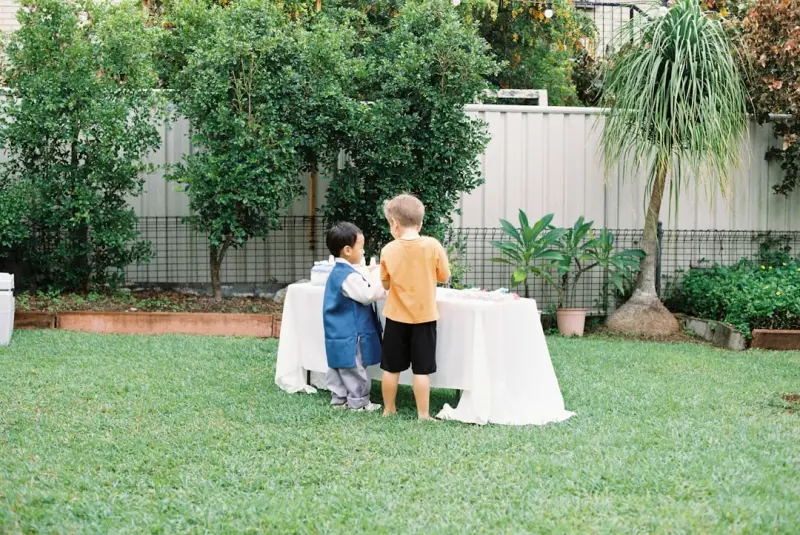
From Backyard to Classroom: Turning Your Garden into a Hands‑On Learning Lab
Discover how to convert any outdoor space into a vibrant, hands‑on learning lab that blends science, nutrition, art, and sustainability—perfect for nurturin...Read More
0 Comments
Post Comment
You will need to Login or Register to comment on this post!