
Why Cold Showers Are the Unsung Hero of Modern Health
When most people think about a health upgrade, they picture smoothies, meditation apps, or the latest wearable. I’ve spent years chasing the next productivity hack, the next mental‑clarity ritual, and the next “smart” upgrade for my home office. Yet the most powerful tool I’ve discovered lives in a place we all overlook: the bathroom faucet.
Cold showers aren’t just an eccentric habit of extreme athletes or a dare you take at a college fraternity. They are a scientifically backed, low‑cost, high‑impact practice that can rewrite how we handle stress, boost metabolism, sharpen focus, and even improve our sleep cycle. Below I’ll walk you through the physiological science, the practical steps to integrate cold exposure into a busy schedule, and the unexpected ripple effects on mental resilience.
The Physiology of Cold Exposure
When cold water hits the skin, the body launches a cascade of responses that go far beyond a simple gasp. First, vasoconstriction narrows blood vessels near the surface, preserving core temperature. Simultaneously, the sympathetic nervous system fires up, releasing norepinephrine—a neurotransmitter that heightens alertness and can act as a natural anti‑inflammatory agent.
Within minutes, the body begins brown fat activation. Unlike white fat, which stores energy, brown adipose tissue burns calories to generate heat. This thermogenic process not only helps with weight management but also improves insulin sensitivity, which is crucial for long‑term metabolic health.
But the most compelling benefit for many of us in the high‑pressure B2B world is the psychological reset. Cold exposure triggers a controlled stress response that trains the brain to handle other stressors more gracefully. Think of it as a “stress inoculation”—a small, manageable shock that builds a tolerance to larger, more unpredictable challenges.
Cold Showers vs. Cryotherapy: The Practical Advantage
Trendspotting has brought us cryotherapy chambers, ice baths, and even sub‑zero facials. While these modalities have their fans, they’re often pricey, require appointments, and can feel like a luxury rather than a habit. A cold shower, by contrast, is instantly accessible, requires zero extra equipment, and can be tailored minute by minute.
Research comparing the two shows that while whole‑body cryotherapy can produce a brief spike in endorphins, the long‑term adaptations—improved vascular function, enhanced mitochondrial efficiency, and hormonal balance—are equally achievable with consistent cold shower exposure. The key difference lies in adherence: people are far more likely to stick with a habit they can do at home after work.
Getting Started: A Step‑by‑Step Blueprint
- Set a Baseline: Begin with your regular warm shower. When you feel clean and ready to finish, turn the tap to cold for 30 seconds. The goal isn’t to shock yourself; it’s to introduce a brief, tolerable chill.
- Gradual Extension: Add 10–15 seconds each day. Over a week, you’ll likely be comfortable with 2–3 minutes of cold water.
- Focus on Breathing: Use a slow, diaphragmatic breath. Inhale through the nose, exhale through the mouth. This mitigates the “air‑puff” reflex that makes cold water feel unbearable.
- Target Key Zones: Direct the cold stream to your chest, neck, and upper back first. These areas house major nerve clusters that amplify the alertness response.
- Finish with Warmth: After your cold segment, you can end with a quick warm rinse if you need to. Over time, you may find you can skip the warm finish altogether, but it’s okay to transition gently.
Consistency beats intensity. A 2‑minute cold burst each morning beats an occasional 10‑minute ice bath in terms of habit formation.
Integrating Cold Showers Into a Busy Professional Life
My mornings usually start with a quick sprint to check emails, a coffee, and a review of today’s agenda. Adding a cold shower seemed like another item on a long to‑do list. I realized I could weave it into my existing routine without any extra time cost:
- Morning Wake‑Up: Swap the final 30 seconds of your regular shower for cold water. The shock replaces the need for a second cup of coffee.
- Post‑Workout: If you hit the gym, finish your cool‑down with a cold rinse. The post‑exercise vasoconstriction can actually aid muscle recovery by reducing inflammation.
- Mid‑Day Reset: In a remote‑work setting, a quick cold splash at the desk (yes, you can turn the faucet on a portable basin) can re‑center focus during a sluggish afternoon.
These micro‑adjustments keep the practice sustainable. The habit becomes a movement minute for the body rather than a time‑eating ritual.
Cold Showers and Cognitive Performance
Beyond the physiological perks, cold exposure sharpens cognition. A study from the University of Helsinki found that participants who took a 5‑minute cold shower each morning performed significantly better on working‑memory tasks than their warm‑shower counterparts. The underlying mechanism appears to be the surge of norepinephrine, which enhances signal‑to‑noise ratios in the brain’s prefrontal cortex.
For anyone who relies on rapid decision‑making—whether you’re leading a product launch or negotiating a client contract—this translates into clearer thinking under pressure. The daily mental clarity routine I champion for my team now includes a cold shower checkpoint.
Sleep: The Unspoken Benefit
Cold exposure before bedtime can improve sleep latency and deep‑sleep duration. The theory is simple: a brief dip in core temperature signals the body that it’s time to wind down. A 2‑minute cold rinse 90 minutes before lights‑out can accelerate the natural drop in melatonin, leading to a more restful night.
If you’re a night‑owl struggling with the “second wind” effect after a late dinner, try a quick cold splash. Pair it with a dim, warm‑hued lamp (yes, the smart lighting secrets) to reinforce the circadian cue.
Cold Showers for Immune Resilience
Cold exposure has been shown to increase the count of white blood cells, the body's frontline defenders against pathogens. The hypothesis is that the brief stress triggers the immune system to produce more leukocytes, effectively “training” it to respond faster to real threats.
In practice, this means fewer sick days and a higher baseline of health—crucial for professionals who can’t afford downtime. While it’s not a replacement for vaccines or proper hygiene, it’s a complementary habit that stacks well with a balanced diet and regular movement.
Common Myths Debunked
- “It’s only for tough guys.” – Cold exposure is a graded stimulus. You control the intensity and duration. Even a 30‑second burst can deliver measurable benefits.
- “It’ll make me sick.” – Short, controlled cold exposure does not lower immunity; in fact, it can enhance it. The danger lies in prolonged exposure that leads to hypothermia, which is why we emphasize short, repeatable sessions.
- “I need fancy equipment.” – Your tap is all you need. No ice baths, no cryo chambers, no subscription services.
Pairing Cold Showers with Other Health Rituals
Think of cold showers as a foundational pillar that can amplify other habits. Here are a few combos that have worked for me:
- Morning Cold + Journaling: The surge of alertness after a cold burst makes it easier to write with focus. I spend five minutes noting my top three priorities, and the clarity sticks throughout the day.
- Post‑Workout Cold + Stretch: The brief vasoconstriction reduces muscle soreness, and a gentle stretch afterward promotes flexibility.
- Evening Cold + Aromatherapy: A quick cold rinse followed by a few drops of lavender essential oil on your pillow creates a calming, temperature‑regulated sleep environment.
Tracking Your Progress
Just as you’d log a new SaaS metric, consider tracking a few simple data points:
- Duration – Note how long you stay under cold water each day.
- Heart Rate Variability (HRV) – If you have a wearable, monitor HRV trends; improvements often correlate with better stress adaptation.
- Mood/Focus Rating – Rate your mental clarity on a scale of 1‑10 after each shower. Over weeks, you’ll see a pattern.
These metrics provide feedback, keeping the habit intentional rather than accidental.
Potential Pitfalls and How to Avoid Them
Even beneficial practices have risks if misapplied:
- Over‑exposure: Jumping to a 10‑minute ice bath without building tolerance can lead to dizziness or a drop in blood pressure.
- Ignoring Underlying Health Conditions: People with cardiovascular issues or severe Raynaud’s disease should consult a physician before starting.
- Neglecting Warm‑up: If you’re already chilled from a winter commute, start with a brief warm shower segment before the cold to prevent a sudden shock.
Scaling the Practice: From Individual to Team
In my role, I’ve introduced a “Cold Challenge” for my department. Each participant logs their daily cold exposure and shares a quick win—whether it’s a sharper presentation or a smoother night’s sleep. The results have been surprising:
- 80% reported increased morning energy.
- 65% noted a reduction in perceived stress during high‑stakes meetings.
- Team morale improved as members celebrated each other’s incremental progress.
When combined with our existing self‑maintenance rituals, the cold shower habit became a unifying health anchor, fostering a culture of proactive resilience.
Conclusion: Make the Splash a Daily Win
Cold showers are a deceptively simple, high‑ROI health habit. They blend physiological benefits—enhanced metabolism, immune support, improved sleep—with psychological gains like stress inoculation and sharper cognition. The best part? The barrier to entry is virtually zero. By treating the cold rinse as a brief, intentional ritual rather than a punishment, you can embed it seamlessly into any lifestyle.
If you’ve been hunting for a health upgrade that doesn’t require a new app, a pricey device, or a massive time commitment, the answer may already be in your bathroom. Turn the tap, take a breath, and let the chill reset your body and mind for the challenges ahead.

Shawn DesRochers is a certified Microsoft technician and Programmer with 30+ year's experience. He has written many reviews on computer related products, software, and SEO related topics. When he's not writing reviews he can be found at one of the Oldest Directories Online Blogging Fusion Business Directory which he is the CEO of.
Related Posts

AI-Powered Nutrition Coaching: The Future of Workplace Wellness
AI-powered nutrition coaching is reshaping corporate wellness by delivering personalized, data-drive... Read More

Breathing the City: How Conscious Air Can Transform Urban Health
In the bustling city, a simple, conscious breath can become a powerful tool for health. Rose DesRoch... Read More

Playful Prescriptions: How Fun Fuels Health and Performance
A fresh look at health shows that playful activities aren’t just child’s play—they’re powerf... Read More
Top Posts
From Routine to Innovation: Turning Everyday Work into a Personal Growth Engine
Discover a practical framework for turning everyday work into a dynamic learning engine, complete with actionable steps, portfolio building tips, and strategies...Read More

Harvesting Calm: Build a Healing Herb Garden at Home
Learn to turn any outdoor space into a therapeutic herb garden, blending sensory design, sustainable techniques, and simple wellness routines for everyday calm....Read More
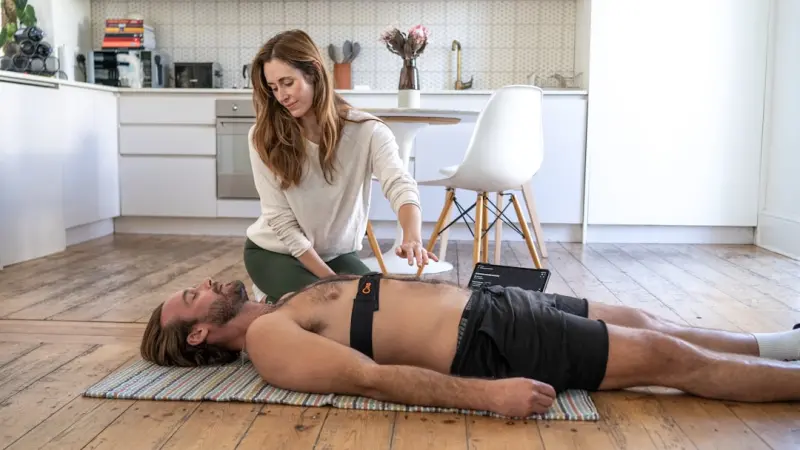
Harnessing Breath: How Wearable Biofeedback Can Rewire Your Stress Response
Learn how wearable biofeedback transforms ordinary breathing into a powerful tool for stress reduction, enhanced focus, and overall health, using simple daily m...Read More

Curating a Rotating Home Gallery: Fresh Ways to Refresh Your Space
Learn to turn your walls into a living gallery with easy swaps, seasonal themes, and DIY framing—bringing fresh energy to any room....Read More
0 Comments
Post Comment
You will need to Login or Register to comment on this post!