
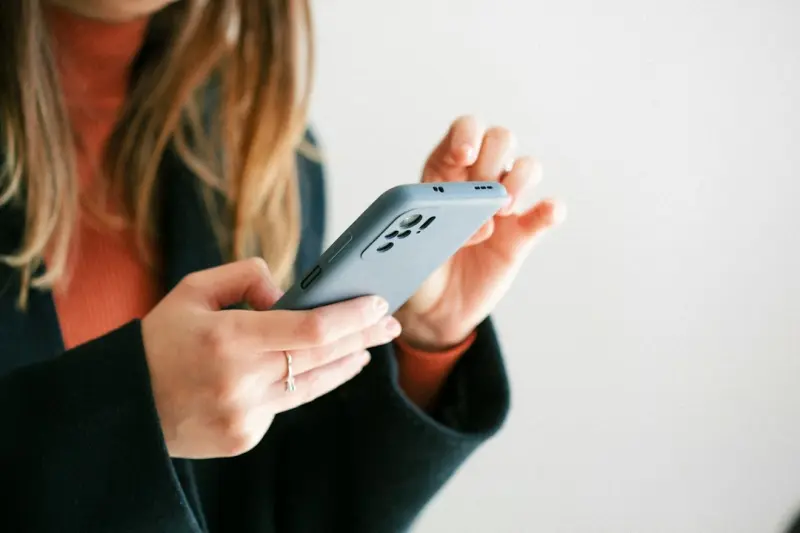
Ever caught yourself scrolling through your phone in bed, only to notice the next morning that your skin feels tighter, your eyes look puffy, and you’re reaching for a moisturizer you didn’t even know you owned? You’re not imagining it. The glow of a screen is more than a visual distraction; it’s a stealthy aggressor that accelerates skin aging, disrupts the skin barrier, and throws your circadian rhythm into chaos. In this deep‑dive I’ll unpack the science behind digital skin fatigue, share the hidden ways your device is eroding your complexion, and arm you with a toolbox of low‑tech and high‑tech strategies to reclaim a healthier, more resilient face.
The Invisible Light That Doesn’t Want You to Notice
Blue light (wavelengths between 415‑455 nm) is the most energetic portion of visible light. It’s the same spectrum that makes the sky look azure and, conveniently, the light that our smartphones, tablets, and laptops emit in abundance. While we’ve been taught to protect our eyes from UV radiation, we’ve barely scratched the surface when it comes to blue‑light exposure on our skin.
Recent dermatological studies reveal that prolonged exposure to blue light can generate reactive oxygen species (ROS) deep within the epidermis. These ROS are essentially “free radicals” that attack collagen and elastin fibers, leading to fine lines, loss of elasticity, and an uneven pigmentary “post‑digital” glow. Moreover, blue light penetrates farther than UVB, reaching the dermis where the skin’s structural proteins reside.
But the damage isn’t limited to oxidative stress. Blue light also disrupts the skin’s natural melatonin production. Melatonin isn’t just a sleep hormone; it also acts locally in skin cells as an antioxidant. When you saturate your face with screen light late at night, you’re essentially turning off the skin’s night‑time repair crew.
Screen Time Meets Hormonal Time: The Circadian Disconnect
Your skin follows a circadian rhythm just like the rest of your body. At night, the skin shifts into repair mode, ramping up DNA repair, collagen synthesis, and barrier replenishment. Exposure to the bright, blue‑rich light of devices suppresses melatonin, signaling to your body that it’s still daytime.
The result? A delayed skin barrier restoration that can lead to increased transepidermal water loss (TEWL). In plain English: your skin becomes drier, more prone to irritation, and less effective at keeping pollutants out. Over weeks or months, this subtle shift compounds, manifesting as dullness, heightened sensitivity, and accelerated aging.
Beyond the Screen: The Ripple Effect on Your Whole Routine
When your skin’s barrier is compromised, everything else you do to it becomes a gamble. That luxurious serum you splurged on? Its active ingredients might not penetrate properly, reducing efficacy. Your favorite cleanser could start feeling abrasive instead of gentle. Even your makeup can settle unevenly, highlighting the very imperfections you’re trying to hide.
And let’s not forget the psychological loop: staring at a screen before bed can make it harder to fall asleep, leading to late‑night snacking, caffeine overconsumption, and stress—each a known adversary of skin health.
Practical Counter‑Measures: Low‑Tech, High‑Impact
- Implement a Screen Curfew. Aim to power down all devices at least one hour before you plan to sleep. Use this window for a calming routine—think reading a physical book, gentle stretching, or a warm shower.
- Adopt a Blue‑Light Blocking Ritual. Invest in a pair of blue‑light filtering glasses, especially if you must work late. Pair them with a cold exposure health boost routine—think a quick splash of cool water on your face after removing your glasses to close pores and stimulate circulation.
- Upgrade Your Nighttime Skincare. Look for products fortified with antioxidants like niacinamide, vitamin C, and green tea extract. These act as ROS scavengers, neutralizing the free radicals generated by blue light.
- Hydration is Your Shield. Keep a humidifier in the bedroom to combat TEWL and maintain a robust moisture barrier while you sleep.
High‑Tech Helpers: When Data Meets Dermatology
While low‑tech habits form the backbone of a screen‑smart routine, technology can also amplify results. Smart mirrors equipped with built-in spectrometers can now analyze skin hydration, melanin levels, and even detect early signs of photodamage. By syncing these devices with an app, you receive personalized, data‑driven recommendations for product usage, timing, and dosage.
If you’re already an early adopter of health trackers, you’ll be glad to know many now include skin temperature sensors. Fluctuations in facial skin temperature can indicate inflammation—an early warning that your barrier might be under duress from excessive blue‑light exposure.
The Role of Diet in Counteracting Digital Damage
What you eat is the fuel for your skin’s repair engine. Diets rich in omega‑3 fatty acids (think salmon, chia seeds, walnuts) bolster the lipid matrix of the epidermis, enhancing barrier function. Likewise, foods high in polyphenols—berries, dark chocolate, green tea—provide systemic antioxidants that support the skin’s own defense mechanisms.
Conversely, high‑glycemic foods (white bread, sugary drinks) can exacerbate oxidative stress and inflammation, essentially feeding the ROS already generated by your devices. Aim for a balanced, low‑glycemic approach especially in the evening to keep your skin in a restorative mode.
Designing a “Digital‑Detox” Zone in Your Home
Physical space influences behavior. Create a tech‑free sanctuary within your bedroom—a small corner with a comfortable chair, a soft rug, and a low‑light lamp. This designated area becomes a cue for your brain that it’s time to unwind, making it easier to stick to your screen curfew.
Consider using blackout curtains or amber‑tinted bulbs that emit less blue light during the evening. The combination of ambient lighting and a dedicated non‑digital zone can dramatically improve sleep quality, which in turn enhances skin repair cycles.
Measuring Success: How to Track Your Progress
After implementing these changes, you’ll want evidence that they’re working. Take high‑resolution photos of your face every morning under consistent lighting. Over weeks, you should notice reduced redness, smoother texture, and a more even tone. For a more scientific approach, use a handheld skin analyzer (many are now affordable) to monitor TEWL, melanin index, and elasticity.
On the digital side, track screen time using built‑in smartphone analytics. Aim to reduce total daily exposure by at least 10‑15% within the first month. Pair this data with your skin metrics to see correlations—this feedback loop can be a powerful motivator.
Future Outlook: The Convergence of Personal Care and Digital Health
We’re on the cusp of a new era where personal care isn’t just about creams and serums; it’s an ecosystem that includes the devices we hold, the data they generate, and the environments we inhabit. The next wave of intelligent personal care is already here, blending AI‑driven skin assessments with lifestyle recommendations that factor in screen habits, sleep patterns, and even stress levels.
Imagine a future where your smartphone nudges you to pause a video when it detects your skin temperature spiking, or where your moisturizer’s formulation adapts in real time based on your exposure to blue light. While that may sound sci‑fi, the building blocks are already in place, and early adopters will reap the benefits of healthier, younger‑looking skin.
Bottom Line: Take Control Before Your Screen Takes Control
We live in a hyper‑connected world, and the convenience of having information at our fingertips is undeniable. Yet, the cost of that convenience—especially on our skin—can no longer be ignored. By understanding the mechanisms of blue‑light damage, establishing a disciplined screen curfew, leveraging both low‑tech habits and high‑tech tools, and supporting your skin with targeted nutrition, you can outsmart the digital age and preserve a vibrant complexion.
Start small. Turn off those notifications an hour before bed tonight, slip on a pair of blue‑light glasses, and notice how the difference feels. Your skin will thank you, and your future self will thank you even more.

Brad Hays is a freelance writer known for his versatile skill set and ability to craft compelling content across a wide range of industries.
Related Posts

Zero-Waste Personal Care: A Practical Guide to Sustainable Routines
A step‑by‑step guide to adopting a zero‑waste personal care routine, featuring essential swaps... Read More
When Your Mirror Gets Smarter: Data‑Driven Personal Care for the Modern Professional
Smart mirrors, wearables, and sustainable bathroom tech are turning personal care into a data‑driv... Read More
The Personal Care Playbook: Turning Body Optimization into a Business Advantage
A tactical guide that reframes personal care as a performance system, offering science‑backed habi... Read More
Top Posts

Silent Sanctuaries: Budget Soundproofing Hacks for Every Room
Learn practical, low‑cost ways to reduce noise throughout your home—from bedroom seal‑ins and living‑room acoustic panels to kitchen quiet upgrades—so...Read More

Beyond the Brush: Reinventing Oral Care for Modern Wellness
Explore a fresh take on personal care by elevating your oral hygiene routine with micro‑rituals, sustainable tools, and science‑backed practices that suppor...Read More

Narrative Resilience: Harnessing Storytelling to Boost Mental Health at Work
Explore the power of narrative therapy in the workplace, with practical steps to embed storytelling into daily routines, creating a healthier, more resilient Sa...Read More

From My Desk to Yours: Navigating the New Era of Employment
A fresh look at remote work trends, the hidden costs of home offices, and practical tips to design a cozy, productive workspace....Read More
0 Comments
Post Comment
You will need to Login or Register to comment on this post!