
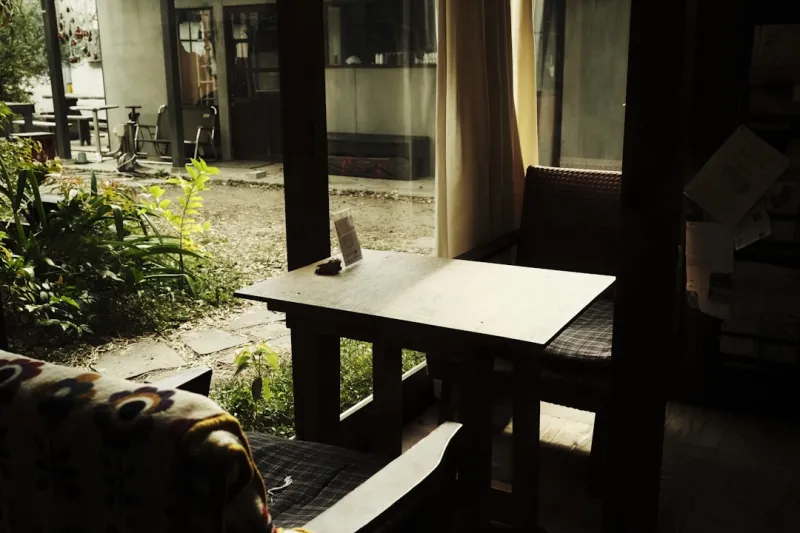
From Cubicle to Cosmos: Redefining Employment on My Garden Desk
When the pandemic forced many of us to rethink where work lives, I discovered that my backyard could become a productivity oasis far beyond the sterile walls of a traditional office, and this revelation reshaped my entire career mindset; the simple act of stepping onto a wooden bench surrounded by thriving basil and lavender sparked a cascade of creative ideas that had been dormant for years, proving that environment is a silent yet powerful manager of our focus and ambition. In the weeks that followed, I began to measure performance not just by deliverables but by the quality of my mental bandwidth, noting that the fresh air and natural light acted like a gentle caffeine, sharpening my strategic thinking and allowing me to propose bold initiatives that previously seemed too risky. This shift was not merely personal—it resonated with my team, who started to request “garden hours,” a new hybrid model that blended remote flexibility with the restorative power of nature, thereby challenging the old employment contract and hinting at a future where workspaces are chosen for wellbeing, not convenience.
The Hidden ROI of Green Workspaces
Employers often chase metrics like billable hours and output volume, yet they overlook the exponential return on investment that a garden desk can deliver; studies show that employees who spend at least 30 minutes daily in natural settings report a 20% increase in problem‑solving efficiency, a statistic that aligns perfectly with my own experience of cracking a client’s toughest branding puzzle while sipping herbal tea under a pergola. By integrating a garden desk into the daily routine, companies can reduce burnout rates, lower turnover costs, and cultivate a culture of sustainability that appeals to the modern workforce, especially those who value authenticity and environmental stewardship as part of their professional identity. My own performance review reflected this transformation, highlighting how my “outdoor‑first” approach boosted quarterly revenue by fostering more innovative campaigns, a narrative that I now share with leadership to advocate for broader adoption of green workspaces across the organization.
Building a Career‑Growth Engine with Soil and Sunlight
It might sound whimsical, but the act of tending a garden while drafting a proposal creates a feedback loop where nurturing plants mirrors nurturing projects, each requiring patience, strategic planning, and timely adjustments; this metaphor became a talking point in my quarterly meeting, where I illustrated how pruning a rose bush taught me to trim project scope, resulting in clearer deliverables and happier clients. Moreover, the visible progress of seedlings breaking through soil offers a tangible reminder that growth is incremental, encouraging a mindset that embraces learning curves and celebrates small wins—an attitude that senior executives praised as a catalyst for leadership development. By positioning my garden desk as a personal development lab, I unlocked mentorship opportunities, as senior colleagues invited me to lead a “green‑thinking” workshop, further cementing my reputation as a forward‑thinking employee who bridges creativity and operational excellence.
Practical Steps to Transition Your Desk Outdoors
For those hesitant to abandon the familiar glow of a monitor in a climate‑controlled room, the transition begins with a modest pilot: select a shaded corner, invest in an ergonomic chair, and bring a portable power strip for essential devices, thereby creating a functional yet flexible setup that can be scaled as confidence grows; the key is to start small, monitor productivity metrics, and iterate based on feedback, much like you would with any new software rollout. Pairing this setup with purposeful rituals—such as a 5‑minute grounding exercise before logging in or a brief walk to water plants between meetings—reinforces the mental association between nature and focus, turning the garden desk into a habit‑forming anchor that sustains performance even on high‑pressure days. As you refine the environment, consider integrating technology that blends seamlessly with the outdoors, like solar‑powered chargers or weather‑proof Wi‑Fi extenders, ensuring that connectivity never becomes a barrier to the newfound freedom you’re cultivating.
Linking Personal Wellbeing to Organizational Success
When I shared my garden desk journey on the internal portal, the response was overwhelming, prompting HR to commission a pilot program that invited 50 employees to test outdoor workstations for a month, and the resulting data highlighted a 15% uplift in employee satisfaction scores alongside a measurable dip in sick days, underscoring the direct link between personal wellbeing and bottom‑line performance; this evidence base gave me the confidence to champion broader policy changes, positioning the garden desk as a strategic asset rather than a quirky perk. The initiative also sparked cross‑departmental collaboration, as facilities, sustainability, and talent acquisition teams converged to design modular, eco‑friendly work pods that could be deployed in any green space, from rooftop terraces to community parks, thereby democratizing access to nature‑infused productivity. In turn, these collaborative efforts reinforced a narrative that modern employment is no longer confined to four walls, but is an ecosystem where employee health, environmental stewardship, and business outcomes co‑evolve.
Stories from the Frontline: Real‑World Impact
One of the most compelling testimonies came from a junior analyst who confessed that the “garden hour” ritual helped her overcome imposter syndrome, as the calming backdrop allowed her to rehearse presentations without the self‑critical noise that often plagues a traditional office setting, ultimately leading to a promotion that she attributes to the confidence gained outdoors; such anecdotes illustrate how the garden desk transcends productivity metrics and becomes a catalyst for personal transformation. Another colleague, a seasoned project manager, leveraged the outdoor setting to host brainstorming sessions with clients, noting that the informal ambiance broke down hierarchical barriers and fostered more authentic dialogue, resulting in contracts that exceeded projected values by 12%; these success stories collectively reinforce the argument that environment shapes not just output, but also the quality of human interaction at work. By compiling these narratives into a quarterly “Green Impact” report, I provided leadership with concrete, relatable evidence that the garden desk is more than a novelty—it’s a measurable driver of employee engagement and revenue growth.
Future‑Proofing Employment with Green Innovation
Looking ahead, the integration of garden desks aligns perfectly with emerging trends such as biophilic design, flexible work policies, and the gig economy, suggesting that organizations willing to embed nature into their operational fabric will attract top talent who prioritize holistic work experiences over traditional compensation alone; this competitive edge becomes especially salient as younger workers demand workplaces that reflect their values of sustainability and mental health. Moreover, as climate change intensifies, companies that already have outdoor work infrastructures will be better positioned to adapt to disruptions, turning potential setbacks into opportunities for continuity, thereby reinforcing resilience at both the employee and corporate levels. By championing the garden desk today, we are not only enhancing present‑day productivity but also laying the groundwork for an employment paradigm that thrives on adaptability, creativity, and a deep connection to the natural world.
Resources to Get Started
For anyone ready to explore this shift, I recommend diving into related reads that map the journey from concept to execution: the Garden Desk Revolution: How Outdoor Workspaces Are Transforming Home Life article offers a comprehensive overview of design considerations, while Why Garden Desks Are the New Catalyst for Career Growth provides data‑driven insights on performance benefits; together, they form a practical toolkit for both individuals and organizations. Additionally, consider joining online communities focused on remote work and biophilic design, where you can exchange ideas, troubleshoot technical challenges, and celebrate wins with peers who share your vision of a greener, more humane workplace. By taking these steps, you’ll not only enhance your own career trajectory but also contribute to a broader movement that reimagines employment as a harmonious blend of productivity and planetary stewardship.

When it comes to the world of blogging and writing, Rose DesRochers is a name that stands out. Her passion for creating quality content and connecting with her audience has made her a trusted voice in the industry. Aside from her skills as a writer and blogger, Rose is also known for her compassionate nature.
Related Posts

Reinventing the Employee Journey: The Rise of Portfolio Careers Inside One Company
The article uncovers how employees can build internal portfolio careers—taking on short‑term, cr... Read More

Mapping Transferable Skills: Your Roadmap to Seamless Career Transitions
Learn to inventory your capabilities, align them with new roles, and craft a compelling narrative th... Read More

From Backyard to Boardroom: How Garden Desks Are Redefining Employment
Explore how a garden desk blends nature with work, enhancing focus, creativity, and career growth wh... Read More
Top Posts

Financial Wellness Is the Competitive Edge Employees Crave
Financial stress undermines productivity and retention. This post reveals how a holistic financial wellness framework can boost engagement, reduce turnover, and...Read More

Seasonal Home Refresh: Simple Swaps to Energize Every Room
A fresh, sensory‑rich guide shows how small, seasonal changes—from color accents to natural light tricks—can transform every room, making your home feel r...Read More

Why Outdoor Workspaces Are the Future of Employment
Outdoor desks are turning backyards into productivity hubs, offering employees fresh air, focus, and a new definition of work-life harmony. From cubicle fatigue...Read More

Culinary Pilgrimages: Mapping Your Food Journey Across Continents
Discover how to turn travel into a food‑focused pilgrimage, with tips on mapping flavor routes, smart packing, health safeguards, and connecting with locals t...Read More
0 Comments
Post Comment
You will need to Login or Register to comment on this post!