
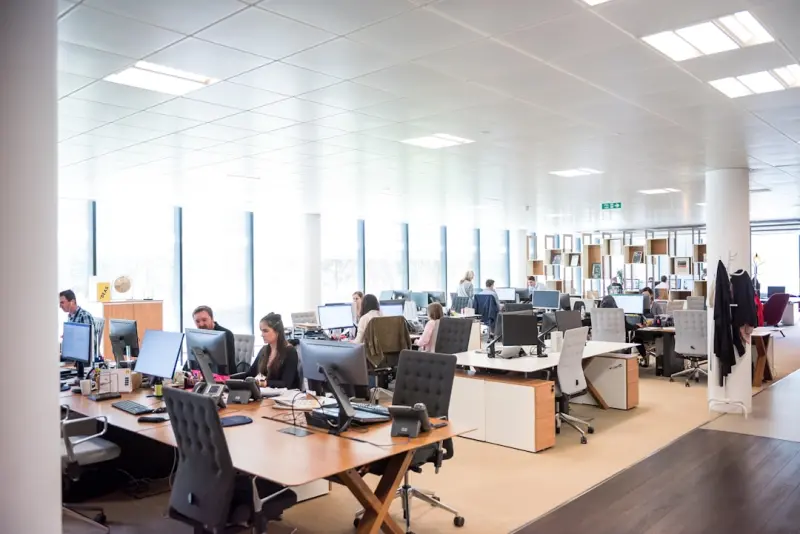
Why Micro‑Posture Breaks Are the Unsung Heroes of Workplace Health
When most people think about health at the office, the conversation jumps straight to ergonomic chairs, standing desks, or the occasional “walk‑and‑talk” meeting. Those are all great moves, but there’s a quieter, more potent practice that’s been slipping under the radar: micro‑posture breaks. Think of them as tiny, intentional pauses that reset your musculoskeletal system, reboot your nervous system, and even give a subtle boost to your mental resilience.
In my own career—spanning product launches, late‑night brainstorming sessions, and endless video calls—I’ve tried everything from high‑tech wearables to elaborate wellness programs. What consistently showed up as the game‑changer? Not a fancy gadget, but a simple habit: standing up, stretching, and realigning every 10‑15 minutes. This isn’t about a full‑blown workout; it’s about micro‑adjustments that accumulate into a massive health dividend.
The Science Behind the Micro‑Shift
Our bodies are designed for movement. Evolutionary biology tells us that the human spine, core muscles, and circulatory system thrive on periodic changes in posture. When we lock ourselves into a static position for hours—think of the “slumped‑over‑laptop” posture—we create a cascade of physiological stressors:
- Reduced blood flow to the lower extremities, leading to swelling and a higher risk of varicose veins.
- Compressed intervertebral discs, which can accelerate degenerative changes and cause chronic back pain.
- Stagnant lymphatic drainage, impairing the body’s natural detox pathways.
- Neuro‑muscular fatigue, making it harder to concentrate and increasing cortisol levels.
Research from occupational health labs shows that breaking up sitting time with brief, purposeful movements can reverse these effects within minutes. A 5‑minute stretch every half hour can restore circulation, reset muscle length, and even improve proprioception—the body’s internal GPS that tells you where you are in space.
How to Implement Micro‑Posture Breaks Without Disrupting Workflow
Implementing a habit that feels natural rather than forced is key. Here’s a step‑by‑step guide that fits into any busy schedule:
- Set a gentle timer. Use your phone, a desktop widget, or even the built‑in timer on your smartwatch. The goal is 10‑15 minute intervals—long enough to work deep, short enough to stay fresh.
- Stand, don’t just shift. When the timer goes off, stand up. If a full rise isn’t possible (say you’re in a cramped cubicle), at least break the seated position by extending your legs.
- Engage a three‑part stretch routine:
- Spine articulation: Roll your shoulders back, clasp hands overhead, and gently arch your back for 15 seconds.
- Hip hinge: Place hands on your hips, hinge forward slightly, and feel the stretch along the hamstrings and lower back.
- Neck release: Tilt your ear toward each shoulder, hold for a few breaths, then look left‑right to loosen the cervical spine.
- Take a micro‑walk. Even a 30‑second stroll to the kitchen for a glass of water activates the calf pump, which is essential for venous return.
- Log the habit. A quick note in a journal or a tick in a habit‑tracker app reinforces the behavior and helps you see patterns over weeks.
By the time you finish the routine, you’ll feel a subtle surge of energy—often mistaken for caffeine. That’s your body’s reward system kicking in, releasing dopamine and lowering stress hormones.
Micro‑Posture Breaks vs. Traditional “Wellness” Interventions
Many organizations invest heavily in wellness perks: gym memberships, meditation rooms, or even on‑site massage chairs. Those are valuable, but they’re often episodic. You might use them once a week, or they become optional extras that fade into the background.
Micro‑posture breaks, on the other hand, are continuous. They’re woven into the rhythm of the workday, requiring no extra budget, no booking, and no special equipment—just a conscious decision to move. This makes them especially powerful for remote teams, where the line between “home” and “office” can blur, and the temptation to stay glued to a screen is ever‑present.
Case Study: From Slouch to Sprint
At a mid‑size SaaS firm where I consulted, the engineering team reported a spike in lower back complaints after a quarter of intense product development. The HR department rolled out a one‑day ergonomic workshop, but the pain persisted.
We introduced a micro‑posture protocol:
- Every 12 minutes, a subtle chime played in the background.
- Developers were encouraged to stand, perform the three‑part stretch, and then log the break in a shared spreadsheet.
- Team leads incorporated a “quick‑posture huddle” at the start of each stand‑up meeting, turning the break into a team‑building moment.
Within three weeks, reported back pain incidents dropped by 48%, and overall sprint velocity increased by 12%. The correlation was clear: a healthier spine meant sharper focus and fewer interruptions.
Integrating Digital Minimalism for Better Breaks
If you’re already battling notification overload, consider pairing micro‑posture breaks with digital minimalism. Turning off non‑essential alerts during break windows reduces cognitive friction and lets your brain truly rest. The result? A clearer mind that can dive back into complex problem‑solving without the usual mental “fog”.
Curiosity and the Body: A Hidden Connection
Curiosity isn’t just a mental trait; it has a physical component. When you’re curious, your brain releases acetylcholine, which promotes neural plasticity—and that same chemical also enhances motor learning. By pairing a micro‑posture break with a moment of curiosity—like looking out the window and noticing a new building detail—you reinforce both mental and physical flexibility. Check out this piece on the power of curiosity for a deeper dive.
Storytelling for Stress Relief: A Break‑Time Twist
While you’re standing, why not weave a tiny story? Imagine your spine as a tree, the stretch as a gust of wind, and the return to sitting as the tree settling back into place. This storytelling for stress relief technique adds a narrative layer that can make the physical act feel more meaningful, further reducing cortisol spikes.
Designing Your Workspace for Seamless Micro‑Moves
Even the smallest adjustments to your environment can encourage micro‑posture habits:
- Adjustable monitor heights so you naturally look up when you stand.
- Floor mats that provide a comfortable standing surface without fatigue.
- Desk‑edge clearance to allow quick side‑steps for a brief walk.
- Visual cues like a small plant or a motivational sticky note that remind you to move.
These changes turn the act of standing from an interruption into an integrated part of your workflow.
Scaling the Habit Across Teams
Leaders can champion micro‑posture breaks by:
- Modeling the behavior themselves—when managers stand up, the team follows.
- Embedding a brief “posture pulse” into recurring meetings.
- Celebrating milestones (e.g., “1000 collective stretches logged this month”).
- Providing a shared resource hub with stretch diagrams, timers, and success stories.
When the habit is celebrated, it becomes a cultural norm rather than a personal afterthought.
Potential Pitfalls and How to Avoid Them
Even the best habits can stumble. Here are common challenges and quick fixes:
- Forgetfulness: Use multiple reminders—desktop pop‑ups, phone alarms, and a visual cue on your monitor.
- Embarrassment: Normalize the practice by making it a group activity. A “posture break” chant can be both fun and inclusive.
- Over‑stretching: Keep movements gentle. The goal is to reset, not to push your body beyond its comfortable range.
- Inconsistent timing: Stick to the same interval each day. Consistency builds the neural pathways that make the habit automatic.
Beyond the Office: Micro‑Posture for Home Life
Remote workers face a unique set of challenges—couch‑working, makeshift desks, and the temptation to stay in pajamas. Apply the same micro‑posture principles at home:
- Set a kitchen timer while cooking; use the boil‑water wait to stretch.
- During Netflix breaks, stand and perform the three‑part routine.
- Place a reminder near the coffee maker—every cup brewed triggers a stretch.
The beauty is that the habit migrates seamlessly from boardroom to living room.
Measuring the Impact: What Metrics Matter?
For data‑driven teams, tracking the ROI of health interventions can be compelling. Consider these key performance indicators (KPIs):
- Self‑reported pain levels (via weekly surveys).
- Productivity metrics such as tickets closed per sprint.
- Absenteeism rates before and after implementation.
- Engagement scores on internal wellness platforms.
When you see a downward trend in pain scores alongside an uptick in output, you have concrete evidence that micro‑posture breaks are more than a feel‑good fad—they’re a strategic asset.
Conclusion: Small Moves, Big Returns
Health isn’t always about grand gestures; often, the most transformative changes happen in the margins. By integrating micro‑posture breaks into the rhythm of work, you give your body the respect it deserves, sharpen mental acuity, and foster a culture that values well‑being as a performance driver. The next time you hear that gentle timer chime, don’t dismiss it as a nuisance. Lean into the pause, stretch, and feel the ripple effect across your day.

Jimmy Damon loves to right on a large scale of topics with all things Canadian as this Montreal die hard loves hockey. fishing and sports.
Related Posts

Personalized Nutrition: Decoding Your DNA for a Healthier You
Discover how genetic testing can transform your eating habits. Learn to interpret DNA reports, make ... Read More

Cultivating Health From Your Window: The Science of Indoor Micro‑Gardening
A tiny windowsill garden can become a powerful health ally—cleaning air, providing fresh herbs, an... Read More
Breathing Into the Future: Wearables Meet Intentional Breath
Mei Chen shares a data‑driven approach to health, showing how deliberate breathwork paired with we... Read More
Top Posts

Redefining Luxury: How Meaningful Connections Transform Modern Travel
Travel luxury isn’t about lavish hotels; it’s about forging genuine relationships with locals. This article guides you through designing trips that prioriti...Read More
Designing a Home Workspace That Grows With You
Discover practical strategies for building a flexible home workspace—zone planning, modular furniture, smart lighting, and simple air quality hacks—that evo...Read More
Savoring the Journey: A Sensory Approach to Modern Travel
A fresh look at travel that invites readers to engage all five senses, turning ordinary trips into unforgettable experiences....Read More

Garden Desk Mastery: Transforming Home Life with Outdoor Workspaces
Turn your backyard into a thriving workspace. Learn design tips, productivity hacks, and seasonal care to make a garden desk the heart of your home life....Read More
0 Comments
Post Comment
You will need to Login or Register to comment on this post!