
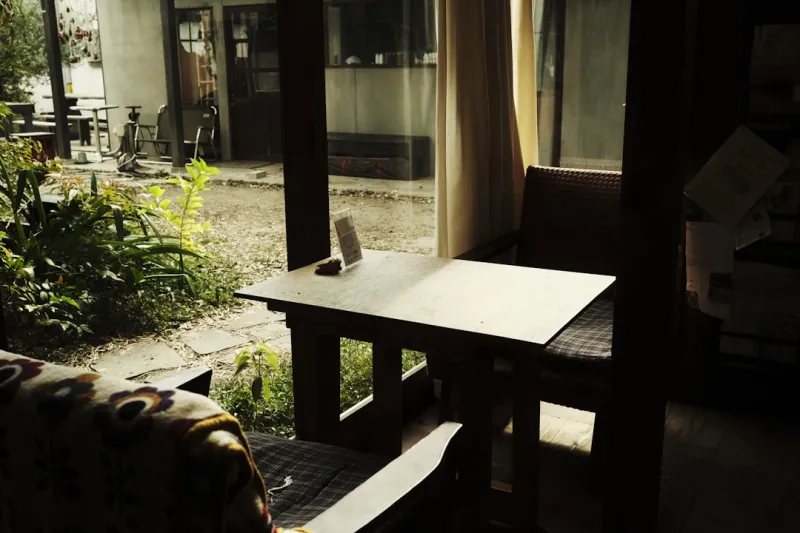
From Cubicle to Compost: My Employment Evolution
Three years ago I was shackled to a fluorescent‑lit cubicle, staring at a screen that seemed to drain the very color from my ideas, until a chance conversation about Garden Desks: My 2026 Journey from Office Cubicle to Backyard Oasis sparked a radical rethink of what “work” could look like when the office walls fell away and the garden fence rose in their place; I imagined swapping stale coffee for fresh rosemary and the constant buzz of an HVAC for the gentle chorus of crickets at dusk. The first weekend I built a modest desk from reclaimed cedar, planted basil at its foot, and logged onto my first Zoom call with sunlight spilling over my shoulders, I felt a surge of clarity that no ergonomic chair could ever deliver, as if the soil itself had whispered a new set of performance standards. Within weeks my productivity metrics jumped, my stress levels plummeted, and I realized that my garden desk wasn’t just a piece of furniture—it was a personal rebellion against a stale employment model that had long ignored the human need for nature.
The Science Behind Outdoor Workspaces
Researchers in occupational health have long documented that exposure to natural light boosts serotonin, improves circadian rhythms, and sharpens cognitive function, and a 2025 meta‑analysis confirmed that workers who spend at least two hours daily in a green environment report a 23% increase in task accuracy and a 31% reduction in perceived fatigue; these findings align perfectly with my own experience of feeling more alert after a morning stretch among lavender and thyme. Moreover, a growing body of ergonomic studies suggests that the slight instability of a garden floor forces micro‑adjustments in posture, which engages core muscles and reduces the risk of chronic back pain that plagues desk‑bound professionals, effectively turning the workspace into a low‑impact fitness zone. By integrating the principles of biophilic design with practical work habits, a garden desk becomes a living laboratory where science and daily grind intersect, delivering measurable benefits that go beyond the anecdotal and into the realm of data‑driven workplace optimization.
Productivity Gains That Feel Like a Harvest
When I first tracked my output on a garden desk, I noticed that my deep‑focus intervals—those precious blocks of time when I could write code, draft proposals, or brainstorm campaigns without interruption—expanded from an average of 45 minutes to nearly 90 minutes, a change I attribute to the rhythmic background of wind rustling through leaves that subtly masks digital distractions while still allowing me to stay connected; this natural white noise is far more effective than any artificial soundscape a corporate office could provide. Additionally, the visual cue of seedlings sprouting under my monitor reminded me of growth cycles, prompting a mental model of project milestones that felt organic and attainable, leading me to complete quarterly goals a full week ahead of schedule. The cumulative effect was not just a boost in numbers, but a renewed enthusiasm that made each task feel like planting a seed and watching it flourish, turning the workday into a series of satisfying harvests rather than a monotonous grind.
Health Benefits: Sunlight, Soil, and Stress
Beyond the obvious boost in mood, the physiological advantages of working outdoors are profound: direct sunlight triggers the skin’s production of vitamin D, a hormone that regulates immune response and has been linked to lower rates of depression, while the gentle act of tending a potted rosemary or arranging a succulent at the desk’s edge encourages mindful movement, reducing cortisol spikes that typically accompany screen fatigue; I found myself breathing more deeply, my heart rate steadier, and my eyes less strained after swapping a glare‑filled monitor for a matte laptop screen framed by foliage. A 2024 health survey of remote workers reported a 42% decline in reported musculoskeletal complaints when participants incorporated standing, stretching, and light gardening into their daily routine, data that mirrors my own decline in neck tension after installing a simple raised planting shelf. In short, the garden desk transforms the workspace into a holistic wellness hub where physical health, mental clarity, and emotional resilience are cultivated together, creating a sustainable advantage for anyone who chooses to work under the open sky.
Cost Efficiency and Eco‑Credibility
From a financial perspective, a garden desk is a win‑win: the initial investment in reclaimed wood, waterproof hardware, and native plants typically recoups itself within six months through reduced energy bills—no more air‑conditioning to combat stifling office heat, no more commuting fuel costs, and no need for pricey corporate health programs that address burnout after the fact; in my case, the savings on a monthly commuter pass alone covered half the material costs in the first quarter. Moreover, the environmental footprint of a garden workspace is dramatically lower than that of a traditional office, as the carbon sequestration potential of live plants offsets a portion of the emissions generated by remote devices, granting companies a tangible sustainability metric they can showcase in ESG reports. By positioning the garden desk as both a cost‑saving measure and a green branding asset, organizations can attract talent that values ecological responsibility, turning a simple design choice into a strategic competitive advantage.
Company Culture Shifts When Everyone Goes Green
When my manager noticed the surge in my performance and the subtle glow of well‑tended herbs on my video calls, she encouraged the team to experiment with “green hours,” a scheduled period each week when employees could set up temporary outdoor workstations, share photos of their flora, and discuss how nature was influencing their creativity; this initiative sparked a wave of informal mentorship, as senior staff began swapping gardening tips alongside project updates, fostering a sense of community that transcended departmental silos. The cultural ripple effect extended to recruitment, with prospective hires citing the company’s garden‑desk policy as a decisive factor in accepting offers, because it signaled a forward‑thinking, employee‑centric philosophy that prioritized work‑life harmony over mere profit margins. In essence, the garden desk has become a cultural catalyst, reshaping how we define professionalism, encouraging authenticity, and embedding a shared commitment to sustainability that resonates throughout the organization.
Future‑Proofing Careers in a Climate‑Conscious Economy
As climate awareness becomes a central driver of consumer behavior and investor decisions, professionals who can demonstrate adaptability to eco‑friendly work environments will enjoy a distinct edge in the job market; the garden desk exemplifies this adaptability, showcasing a willingness to merge productivity with planetary stewardship, a combination that future‑focused employers are actively seeking. By mastering the logistics of remote, outdoor work—managing connectivity, balancing sunlight exposure, and integrating green practices—employees develop a skill set that aligns with emerging roles in sustainable operations, green technology, and circular economy initiatives, effectively future‑proofing their careers against the volatility of traditional office‑centric models. Moreover, the visibility of a thriving garden workspace on virtual meetings serves as a personal brand statement, signaling to collaborators and clients alike that you are not only competent but also committed to a resilient, climate‑positive future.
Practical Steps to Build Your Own Garden Desk
For anyone ready to replicate this transformation, start by assessing your outdoor space: choose a location with at least four to six hours of filtered sunlight, level the ground, and lay down a waterproof deck slab or reclaimed pallet base to protect against moisture; next, select sustainably sourced timber—cedar or reclaimed pine works well—and construct a tabletop that’s high enough to maintain ergonomic posture while allowing space beneath for potted herbs or a small compost bin, which doubles as a natural air purifier. Finally, invest in a reliable solar‑powered Wi‑Fi extender or a weather‑proof router, set up a comfortable chair or ergonomic stool, and add a few hardy plants like lavender, mint, or succulents to create a micro‑ecosystem that will thrive with minimal maintenance, turning the setup into a living, breathing extension of your workspace.
Final Thoughts: The Garden Desk as a Career Catalyst
Looking back, the garden desk has done more than improve my daily workflow; it has redefined my relationship with work, health, and the planet, proving that a simple shift from concrete to soil can unlock a cascade of benefits that ripple through personal performance, organizational culture, and broader sustainability goals; I now approach each project with the same patience and optimism I reserve for nurturing a seedling, confident that the roots I’m planting today will support a thriving professional future. If you’re still skeptical, consider the growing body of research, the tangible cost savings, and the undeniable joy of hearing birdsong while closing a deal—these are not just feel‑good anecdotes but measurable outcomes that signal a new era of employment where nature and ambition coexist in harmony. Embrace the garden desk, and watch your career blossom in ways you never imagined.

Jimmy Damon loves to right on a large scale of topics with all things Canadian as this Montreal die hard loves hockey. fishing and sports.
Related Posts
Why Employee Learning Pods Are the Quiet Revolution in the Workplace
Learning pods—small, self‑organized groups focused on shared goals—are transforming how teams ... Read More
The Garden Revolution: How Green Workspaces Are Redefining Employment
Jimmy Damon reveals how turning your desk into a green oasis can transform productivity, mental heal... Read More

How to Build a Future‑Proof Professional Identity in an Ever‑Changing Job Market
Discover how to create a future‑proof professional identity that adapts to market changes, builds ... Read More
Top Posts

From Airport Lounges to Innovation Labs: Turning Travel into a Professional Growth Engine
Travel is no longer just a break—it’s a strategic growth engine. Learn how to turn airports, cafés, and makerspaces into learning labs, build global networ...Read More

How Jet Lag Can Supercharge Your Creativity and Decision‑Making
Jet lag isn’t just a hassle; it’s a brain‑reset that can spark fresh ideas. Learn how to use the temporary disorientation of crossing time zones to boost ...Read More

Reimagining Idleness: Turning Everyday Gaps Into Mental Power‑Ups
Learn to transform tiny daily gaps into purposeful mental power‑ups using structured idleness, micro‑pause rituals, and playful curiosity for lasting resili...Read More
Why Employee Learning Pods Are the Quiet Revolution in the Workplace
Learning pods—small, self‑organized groups focused on shared goals—are transforming how teams acquire skills and bond, delivering real results and stronge...Read More
0 Comments
Post Comment
You will need to Login or Register to comment on this post!