
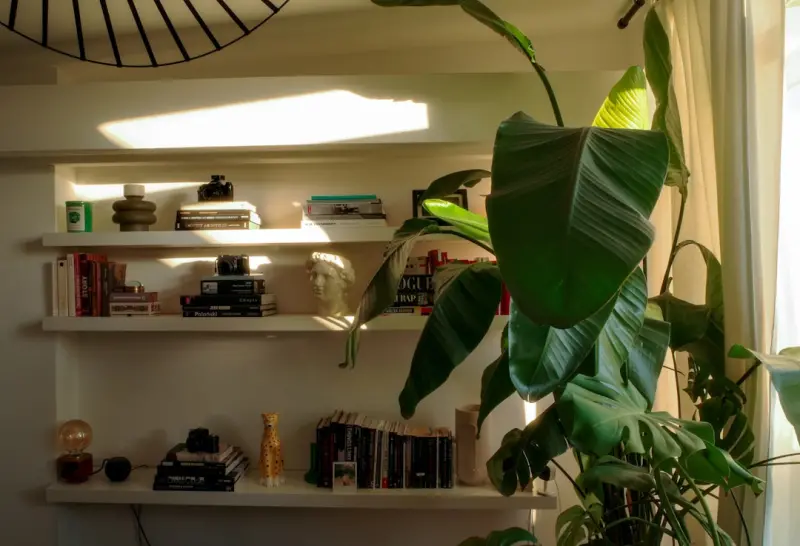
Why Shelves Deserve a Narrative, Not Just Storage
In the bustle of daily life, shelves often become the silent custodians of dishes, books, and forgotten trinkets, yet they hold untapped potential to become visual storytellers that echo your personality and aspirations. By treating each shelf as a curated canvas, you transform a functional surface into a living gallery that invites curiosity, sparks conversation, and subtly guides the flow of energy throughout a room. Embracing this mindset invites you to consider color, texture, and rhythm as deliberately as a painter selects brushstrokes, turning ordinary storage into an expressive showcase of who you are.
Choosing the Right Foundations: Materials, Depth, and Placement
The first step in crafting a compelling shelf narrative begins with the physical foundation—selecting wood, metal, or reclaimed pallet boards that resonate with the room’s existing palette while offering durability for the items you intend to display. Depth matters just as much as length; shallow shelves favor delicate objects like ceramics or small plants, whereas deeper units accommodate larger statement pieces, creating visual weight and balance. Strategic placement, whether anchored against a wall, floating above a sofa, or tucked into a hallway niche, dictates sightlines and ensures the curated story unfolds naturally as guests move through the space.
Layering with Purpose: Balancing Function and Aesthetic
Layering is the secret sauce that breathes life into a shelf, and it starts with anchoring the arrangement with a foundational element such as a stack of vintage books or a bold sculpture that commands attention. From there, intersperse functional items—like woven baskets for storage or stylish trays for keys—so the display remains practical without sacrificing visual intrigue; this duality keeps the shelf from feeling like a static exhibit. Finally, pepper in softer accents—greenery, textured ceramics, or a splash of color through hand‑painted tiles—to create depth, movement, and a sense of curated spontaneity.
Color Theory Meets Home Design: Crafting Cohesive Palettes
Just as a painter selects a palette to evoke mood, your shelf’s color scheme should harmonize with the broader room while also offering subtle contrasts that draw the eye. Start with a base hue drawn from dominant wall colors or upholstery, then introduce complementary shades through objects like glass vases, patterned fabrics, or muted metallics, ensuring each addition feels intentional rather than accidental. By limiting the palette to three dominant tones and sprinkling in neutrals, you achieve a cohesive look that feels curated rather than cluttered, allowing each piece to shine within its chromatic context.
Integrating Nature: The Subtle Power of Greenery
Incorporating plants into shelf displays not only adds a breath of fresh air but also introduces organic textures that soften hard surfaces and create a soothing visual rhythm. Choose low‑maintenance varieties such as succulents, pothos, or air‑plants that thrive in indirect light, and place them in varied containers—ceramic pots, reclaimed tin cans, or woven baskets—to echo the layered aesthetic you’re building. The gentle sway of leaves can also serve as a living accent, subtly shifting the shelf’s composition over time and reminding occupants that home design is an evolving dialogue.
Storytelling Through Objects: Curated Collections and Personal Tokens
Every item you place on a shelf tells a fragment of your story; when assembled thoughtfully, these fragments coalesce into a narrative that feels both intimate and inviting. Highlight travel souvenirs, heirloom pieces, or handmade crafts, arranging them in chronological or thematic clusters that invite viewers to pause and explore the backstory behind each object. By pairing personal tokens with complementary pieces—like a vintage camera beside a modern photography book—you create visual dialogues that celebrate past experiences while connecting them to present interests.
Lighting the Narrative: Ambient, Task, and Accent Solutions
Lighting is the invisible hand that shapes perception, and well‑placed illumination can transform a static shelf into a dynamic focal point that changes with the time of day. Incorporate subtle LED strips behind floating units for a soft glow that highlights textures, or position a small pendant lamp above a centerpiece to draw attention and add warmth. For those seeking a touch of drama, consider a pair of adjustable spotlights that allow you to spotlight rotating displays, keeping the shelf ever‑fresh and engaging.
Seasonal Swaps: Keeping the Shelf Fresh Without Overhauling
One of the joys of a curated shelf is its flexibility; by swapping out a few key pieces each season, you refresh the narrative without the need for a complete redesign. Replace bright summer ceramics with rustic autumn gourds, or trade leafy greens for winter pine cones and candleholders that emit a cozy glow. This rhythmic updating not only aligns your home with the natural calendar but also provides an ongoing creative ritual that keeps the space feeling alive and purposeful.
Putting It All Together: A Step‑by‑Step Launch Plan
Begin by clearing the chosen shelves, assessing each item's purpose, and grouping items into categories—functional, decorative, and personal—before arranging them on the floor to experiment with composition. Next, select a unifying base piece, layer with functional containers, weave in greenery, and finish with accent objects, stepping back frequently to gauge balance and flow. Finally, install the chosen lighting, step away for a full‑room view, and make micro‑adjustments until the shelf feels like a living storybook that welcomes both residents and guests alike.

Steph Sanderson is a Toronto-based freelance writer and content creator with a clear passion: crafting compelling articles. With a dedication to clear, engaging prose and a knack for storytelling, Steph brings a wealth of experience to every project.
Related Posts
Cultivating Calm: Turn Any Nook into a Thriving Indoor Garden
Discover how to turn overlooked spaces into thriving indoor gardens using smart tools, design princi... Read More

How a Garden Desk Can Transform Your Home & Garden Sanctuary
Explore the benefits of a garden desk—from design tips and health perks to career boosts—and lea... Read More

From My Garden Desk: How a Green Workspace Redefines Home & Garden Living
Rose DesRochers reveals how a garden‑centric workspace boosts focus, reduces stress, and fosters e... Read More
Top Posts

Screen‑Free Skin: The Unexpected Benefits of Digital Detox on Your Complexion
Learn why blue light from devices ages your skin and how a simple digital detox, combined with mindful grooming and nutrition, can restore a radiant, youthful c...Read More

The Art of Mental Maintenance: Routine Check‑Ins Over Crisis Mode
A practical guide to shifting from reactive crisis management to proactive mental maintenance, using simple daily check‑ins, movement breaks, sleep hygiene, a...Read More

Crafting a Portfolio Career: Balancing Multiple Income Streams in a Fluid Job Market
Learn how to design a portfolio career that blends flexibility, financial security, and personal fulfillment. Follow practical steps to curate skills, manage mu...Read More

The Zero‑Waste Sensory Ritual: Redefining Personal Care for a Sustainable Future
Explore a holistic personal care approach that blends sustainability with sight, scent, touch, sound, and taste, turning everyday routines into mindful, wasteâ€...Read More
0 Comments
Post Comment
You will need to Login or Register to comment on this post!