
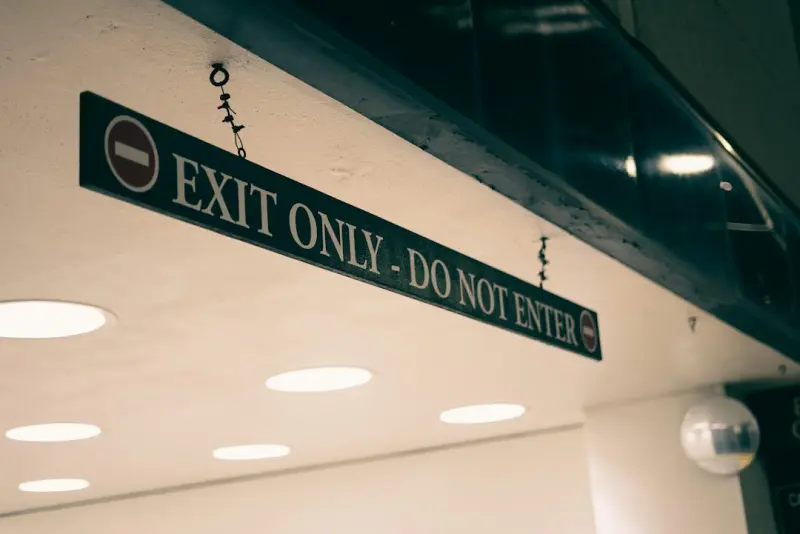
Turn Your Entryway Into a Stress‑Busting Power Hub
Walking through the front door should feel like hitting a reset button, not stepping into a chaotic sprint. Most of us spend precious seconds—sometimes minutes—juggling keys, mail, shoes, and the mental to‑do list of the day. If that first few moments are cluttered, the brain’s default mode network fires up in “problem‑solving” mode before you’ve even had a cup of coffee. The good news? With a few intentional tweaks, your entryway can become a low‑effort, high‑impact sanctuary that primes you for focus, calm, and productivity.
Why the Entryway Matters More Than You Think
Psychologists call the entryway a transitional space. It’s the boundary between the outside world—a place of unpredictable stimuli—and the interior, where you set the tone for work, rest, or family time. When this buffer zone is cluttered, it sends a mixed signal to your nervous system, amplifying decision fatigue and making it harder to settle into a productive rhythm.
Think of the entryway as a pre‑flight checklist for your brain. A clear, thoughtfully organized space helps you:
- Offload mental baggage: Designated spots for keys, mail, and bags mean you don’t waste cognitive bandwidth remembering where you placed them.
- Signal a mental shift: A subtle change in lighting, scent, or texture cues your brain that you’re moving from “outside mode” to “home mode.”
- Boost physical ergonomics: Proper height for hooks or benches reduces strain when you’re slipping on shoes or grabbing a bag.
Step 1: Declutter with Intentional Zones
Start by carving the entryway into three micro‑zones: Drop‑off, Prep, and Transition. Each has a single purpose and a visual cue.
- Drop‑off: A sleek wall‑mounted basket or a low‑profile console where you can dump mail, receipts, and other paper clutter. Keep this zone static—don’t use it for decorative items that compete for visual attention.
- Prep: A small bench or stool with built‑in storage for shoes, gloves, and umbrellas. Choose a piece with a cushioned seat; it encourages you to pause, sit, and mentally shift gears.
- Transition: A narrow shelf or pegboard that holds keys, a reusable water bottle, and a smart lighting switch or timer. This is your “launch pad” for the day.
The key is one item per surface rule. If a surface already has a purpose, avoid adding another object. This prevents the visual overload that can trigger stress.
Step 2: Light It Right—Without Going Full‑Tech
While smart lighting can automate color temperature, you don’t need a full IoT setup to reap benefits. A simple, tunable LED bulb placed behind a frosted glass shade provides a soft, diffused glow that eases the eyes after stepping in from bright daylight.
Consider these lighting tricks:
- Warm up the amber zone: Use a 2700‑3000 K bulb to create a cozy ambiance that signals the brain to unwind.
- Introduce a task light: A focused, 4000 K strip under a shelf helps you see keys and mail clearly, reducing the time spent searching.
- Daylight mimic for winter: A sunrise‑simulating lamp can replace the lack of natural light, helping regulate circadian rhythms before you even reach the kitchen.
Step 3: Harness Natural Materials for Tactile Calm
Our nervous system loves texture. Rough wood, soft wool, and smooth stone each send unique signals that can ground you. Choose one material as the dominant “anchor” for the entryway and layer complementary textures.
Examples:
- Wooden bench with a woven rug: The grain of the wood and the interlaced fibers of the rug create a subtle rhythm that encourages slow, mindful movement.
- Ceramic hook plates: The cool weight of ceramic adds a sensory contrast to the warmth of wood, reinforcing the idea of “balance.”
- Stone or concrete planter: Even an empty pot of greenery adds a tactile element while also improving air quality.
When you touch these surfaces each morning, you trigger proprioceptive feedback that anchors you in the present moment.
Step 4: Scent as a Silent Signal
Scent works faster than visual cues. A light diffusing citrus or eucalyptus can clear mental fog, while lavender or cedar promotes calm. Instead of a heavy candle, opt for a reed diffuser or a smart aromatherapy plug that releases a brief burst as you step in.
Tip: Keep the scent subtle—no more than a whisper. Overpowering fragrances can become a distraction, the opposite of what you aim for.
Step 5: Add a Mini “Movement” Corner
We’ve all heard about tiny desk exercises that keep the body limber, but what about a 30‑second stretch before you leave the house?
Install a low, sturdy bar or a set of resistance loops on the back wall. As you slip on your shoes, do a quick shoulder roll and a hip hinge. This micro‑movement fires up circulation and primes the nervous system for the day ahead, reducing the “stiff‑as‑a‑board” feeling that often accompanies a sedentary commute.
Step 6: Personalize with Purposeful Décor
Decor isn’t just about aesthetics; it can be functional. Choose items that double as tools:
- Magnetic board: Use it for a weekly schedule, a quick grocery list, or a visual reminder of the day’s top three priorities.
- Transparent jar for “out‑of‑place” items: A visual cue that says, “These belong somewhere else,” prompting you to put them away immediately.
- Mini art piece with a motivational quote: Keep it short—one word like “Focus” or “Breathe.” The visual cue can act as a mantra when you glance at it.
Step 7: Keep It Clean—A 2‑Minute Daily Reset
Consistency beats occasional deep cleaning. Allocate a strict two‑minute window each evening to:
- Return any stray items to their designated zone.
- Wipe down surfaces with a microfiber cloth (optional: a quick spray of a natural cleaning solution).
- Turn off any lights and set the aromatherapy device to “night” mode.
This ritual signals to the brain that the day is ending, making it easier to transition into evening relaxation.
Putting It All Together: A Day in the Life
Morning* – You arrive home after a commute. The warm amber glow from the entryway light greets you. You sit on the cushioned bench, slip on your shoes, and perform a brief shoulder roll. The scent of citrus greets your nose, instantly sharpening focus. You drop your mail into the dedicated basket, glance at the magnetic board to see today’s top three tasks, and grab your keys from the transition shelf.
Evening* – After dinner, you place your coat on the pegboard, return your reusable water bottle to its spot, and dim the lights to a soft, cooler hue. A quick two‑minute sweep clears any stray items, and the aromatherapy switches to a calming lavender mist, cueing your brain that it’s time to unwind.
Over a week, you’ll notice you spend less time searching for items, feel less mental clutter, and even experience a subtle lift in mood thanks to the coordinated sensory cues.
Beyond the Entryway: Scaling the Concept
Once you’ve mastered the entryway, the same principles apply to other high‑traffic zones—home office doorways, kitchen entry points, or even the hallway leading to bedrooms. The core idea remains: zone, declutter, sensorially cue, and move. By replicating this pattern, you create a home environment that continuously supports mental clarity and physical ease.
Final Thoughts
Most home‑improvement guides focus on aesthetics or big‑ticket upgrades. The real power lies in micro‑adjustments that align your environment with how your brain works. Your entryway is the perfect canvas for these tweaks. By establishing clear zones, using gentle lighting, introducing tactile materials, harnessing subtle scents, and adding a pinch of movement, you transform a simple doorway into a stress‑busting power hub. The result? A home that not only looks good but also feels right—every single time you walk through that door.

Jimmy Damon loves to right on a large scale of topics with all things Canadian as this Montreal die hard loves hockey. fishing and sports.
Related Posts
Boost Your Home’s Energy IQ: Smart, Simple Hacks for Every Room
Learn how to audit, optimize, and smarten up your home’s energy use with easy, actionable steps—... Read More
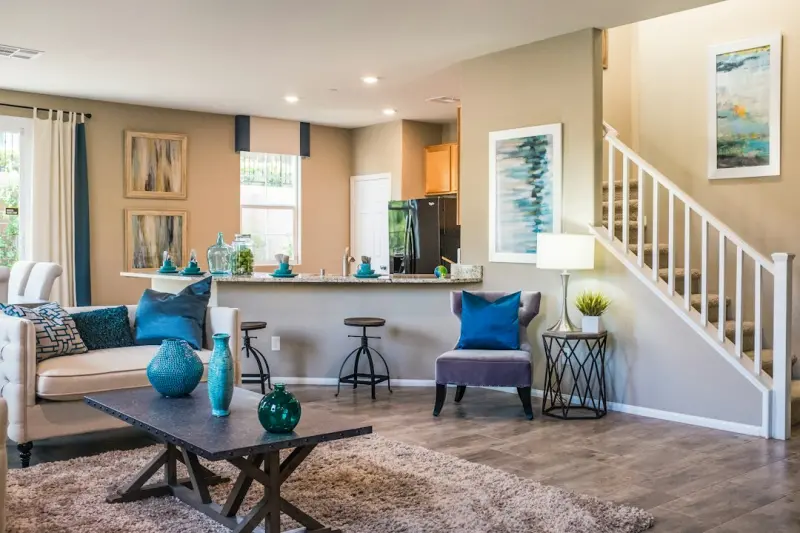
The Ultimate Entryway Overhaul: From Cluttered Hall to Calm Gateway
A step‑by‑step guide to turning a chaotic entryway into a serene, organized gateway using vertic... Read More

Designing a Remote‑Work Ready Home That Fuels Focus and Well‑Being
Discover how to remodel your living space into a remote‑work ready environment with zones for focu... Read More
Top Posts
The Four‑Day Workweek Playbook: How to Pitch, Implement, and Thrive
Learn how to pitch a four‑day workweek, build a solid business case, negotiate with leadership, and sustain productivity and wellbeing in a shorter week....Read More

Playful Mental Fitness: Gamify Your Daily Routine for a Healthier Mind
Learn how simple, game‑like tweaks to daily routines can strengthen mental resilience, sharpen focus, and bring more joy to work and life....Read More

The Zero‑Waste Sensory Ritual: Redefining Personal Care for a Sustainable Future
Explore a holistic personal care approach that blends sustainability with sight, scent, touch, sound, and taste, turning everyday routines into mindful, wasteâ€...Read More

The Video Call Fatigue Paradox: Protecting Your Mind in a Screen‑Driven World
Endless video conferences are silently draining our mental health. This article explores why video calls cause unique stress, introduces AI‑enabled tools and ...Read More
0 Comments
Post Comment
You will need to Login or Register to comment on this post!