
Ever felt the thrill of a trip that didn’t start on a spreadsheet but sprouted from a spontaneous “let’s try that alley” moment? I’m Seth Samual, and over the past few years I’ve turned my wanderlust into a personal laboratory—testing the hypothesis that the most memorable journeys aren’t meticulously mapped, but rather cultivated through tiny, unplanned detours. This isn’t a guide to “go off the grid” or a manifesto for digital detox; it’s a practical playbook for injecting micro‑adventure into any itinerary, no matter how tight the schedule.
Why Micro‑Adventures Matter More Than Grand Plans
Think of a traditional travel itinerary as a macro‑project: you allocate days, book hotels, and line up must‑see landmarks. It feels safe, efficient, and—let’s be honest—predictable. But safety is a double‑edged sword. When you smooth every ripple, you also flatten the very terrain that makes a place feel alive.
Micro‑adventures flip that script. They are short, low‑commitment experiments that let you probe a city’s hidden rhythms without the overhead of a full‑blown expedition. A 15‑minute stroll down a side street, a spontaneous conversation with a street vendor, or an impromptu bike ride to a neighborhood park can reveal cultural nuances that a two‑hour “must‑see” tour would never surface.
Research on experiential learning shows that unexpected moments trigger deeper memory encoding because the brain treats novelty as a reward. In other words, the more you surprise yourself, the more likely you’ll remember the place—and the more you’ll feel a genuine connection to it.
Setting the Stage: A Minimalist Toolkit
Before you launch into your first micro‑adventure, assemble a lightweight “exploration kit.” You don’t need high‑tech gear; the goal is to stay nimble.
- Paper map or offline map app—the GPS can lull you into a “follow‑the‑route” mindset.
- Reusable notebook—jot down a quick sketch, a phrase you overheard, or a scent that catches you off guard.
- Curiosity trigger—choose one question to ask yourself every hour: “What’s one thing I can’t see from my current spot?”
These tools keep you anchored in the present without pulling you into the vortex of constant connectivity. If you’re tempted to check emails, remember the mindful tech habits that let you reap the benefits of a brief digital pause without missing a beat.
Choosing the Right “Micro” Moment
Micro‑adventures thrive on three simple criteria: proximity, feasibility, and surprise. Here’s how to evaluate an opportunity on the fly.
- Proximity – Is the detour within a 10‑minute walk or bike ride from where you are? The closer it is, the lower the friction.
- Feasibility – Do you need special equipment or permits? If the answer is “yes,” it’s probably not a micro‑adventure.
- Surprise – Does this path promise something you wouldn’t encounter on a mainstream route? Look for street art, a local market stall, or a public garden tucked behind a grocery store.
When you spot a narrow alley buzzing with the aroma of fresh‑baked focaccia, that’s a green light. When the sign reads “Private Property – No Entry,” that’s a red light. The art is in learning to read those subtle cues.
Case Study: The Unplanned Day in Porto
During a two‑day business trip to Porto, I set aside the “must‑see” list (Dom Luís I Bridge, Ribeira, and a port‑wine tasting) and gave myself a single rule: “If a doorway catches my eye, I go in.” What unfolded was a cascade of micro‑adventures that reshaped my entire perception of the city.
- The Ceramic Workshop – A modest storefront displayed hand‑painted tiles. I spent 20 minutes watching an artisan dip a brush into cobalt, and ended up buying a tiny coaster as a souvenir. The conversation revealed that the workshop’s founder sourced clay from a family quarry dating back to the 1800s.
- The Rooftop Garden – A rusted fire escape led to a communal garden perched above a laundromat. The view of the Douro River framed by potted herbs felt like a secret postcard.
- The “Scent‑Driven” Café – I stumbled into a coffee shop whose owner described each brew in terms of perfume notes. It reminded me of the scent‑driven living trend, but applied to travel: taste becomes a gateway to place‑based memory.
None of these experiences were on my original agenda, yet they became the highlights I still recount at networking events. The lesson? A single micro‑adventure can outweigh a whole day of “must‑see” tourism.
Integrating Nature Without Repeating the “Forest Bathing” Playbook
Nature immersion is a staple of wellness travel, but you don’t need a guided forest trek to reap its benefits. Look for “urban wilds”: pocket parks, riverbanks, or even a cluster of trees lining a narrow lane. Spending just five minutes breathing in the ambient sounds—birdsong, rustling leaves, distant traffic—creates a mini‑reset that sharpens focus and reduces travel fatigue.
If you’re curious about the science behind nature’s calming effect, the forest immersion article offers a deep dive. The takeaway for the traveler, however, is simple: you don’t need a national park; any green element can serve as a mental recharge station.
Turning Micro‑Adventures into Storytelling Currency
Travel stories are the modern equivalent of business cards. While a photo of the Eiffel Tower says, “I’ve been there,” a vignette about the barista who taught you how to pronounce “café” in the local dialect says, “I listened.” Micro‑adventures give you material for that richer narrative.
Here’s a quick framework for converting a fleeting encounter into a shareable story:
- Set the scene – Mention the unexpected setting (e.g., “Behind a neon‑lit laundromat…”).
- Introduce the character – Who did you meet? What made them stand out?
- Highlight the insight – What did you learn? A cultural nuance, a taste, a phrase.
- Reflect on impact – How did this moment change your perception of the place?
When you practice this after each micro‑adventure, you’ll build a personal travel archive that feels far richer than a collection of glossy postcards.
Micro‑Adventure Pitfalls—and How to Avoid Them
Even the most intrepid explorers stumble. Here are common traps and quick fixes.
- Over‑planning the “unplanned.” If you spend more time drafting a list of micro‑adventure candidates than actually exploring, you’ve missed the point. Keep your list to three bullet points max.
- Ignoring local norms. A spontaneous photo op might be welcome in one culture and offensive in another. A quick glance at a local etiquette guide (or a polite question to a nearby resident) can save embarrassment.
- Safety blind spots. While spontaneity is fun, always assess basic safety: well‑lit streets, visible exits, and a clear sense of your surroundings.
Scaling Micro‑Adventures for Business Travel
Corporate travelers often feel shackled by tight schedules and meeting‑centric agendas. Yet even a 10‑minute walk can recharge creativity and foster serendipitous networking. Encourage your team to adopt a “micro‑explore” window before or after major sessions. The resulting anecdotes become conversation starters in boardrooms, humanizing the professional persona.
In fact, companies that nurture curiosity on the road report higher employee satisfaction and a measurable uptick in cross‑functional ideas. The ROI isn’t just in the post‑trip survey—it’s in the innovative solutions that germinate from those unplanned hallway chats.
Conclusion: Make the Road Your Laboratory
Travel doesn’t have to be a checklist; it can be a series of tiny experiments that collectively reshape how you see the world—and yourself. By embracing micro‑adventures, you grant yourself permission to stray from the itinerary, engage with strangers, and collect sensory souvenirs that last longer than any souvenir magnet.
So the next time you land in a new city, resist the urge to pull out your itinerary the second you step off the plane. Instead, ask yourself: “What’s one small, unexpected thing I can do right now?” The answer will likely be the story you’ll tell for years to come.

Seth Samual is a name that's quickly becoming synonymous with compelling and insightful writing. As a freelance writer, Seth has carved a niche for himself by delivering high-quality content across a diverse range of subjects.
Related Posts

Beyond the Itinerary: How Sensory Storytelling Redefines Modern Travel
Travel isn’t just about sights; it’s about the full sensory experience. Discover a framework for... Read More
The Phone‑Free Travel Reset: Reclaiming Presence on the Road
A phone‑free day on the road lets you hear market chatter, taste food before photographing it, and... Read More

Micro‑Transit Hubs: Reinventing the Weekend Getaway
Micro‑Transit hubs combine shared mobility options and local experiences, offering a flexible, eco... Read More
Top Posts

Closet Revamp: Turning Your Storage Space into a Personal Styling Studio
Discover a step‑by‑step guide to turn your cluttered closet into a personal styling studio, using modular storage, mood‑setting lighting, and weekly reset...Read More

Texture‑Driven Personal Care: Why Feel Matters More Than You Think
Discover the power of texture in daily routines, from warm mugs to cool rollers, and learn how subtle sensory cues can transform personal care into a strategic ...Read More
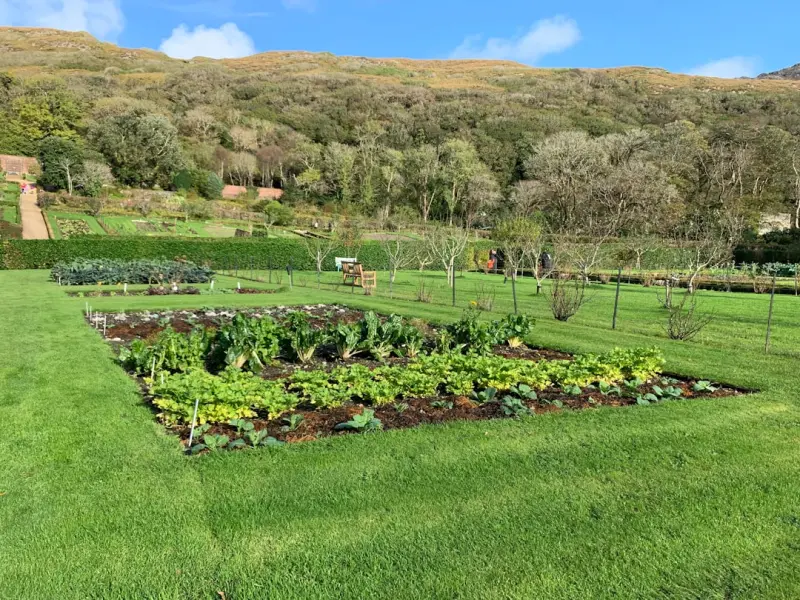
Edible Landscaping: Designing a Food‑Forward Garden That Feeds the Planet and Your Plate
Edible landscaping merges ornamental design with food production, offering homeowners a stunning, sustainable garden that cuts grocery costs, improves mental he...Read More

Turning Personal Passions into Organizational Assets
A fresh look at employment: leveraging employee passions as strategic assets unlocks higher engagement, reduces turnover, and fuels innovation, offering a pract...Read More
0 Comments
Post Comment
You will need to Login or Register to comment on this post!