
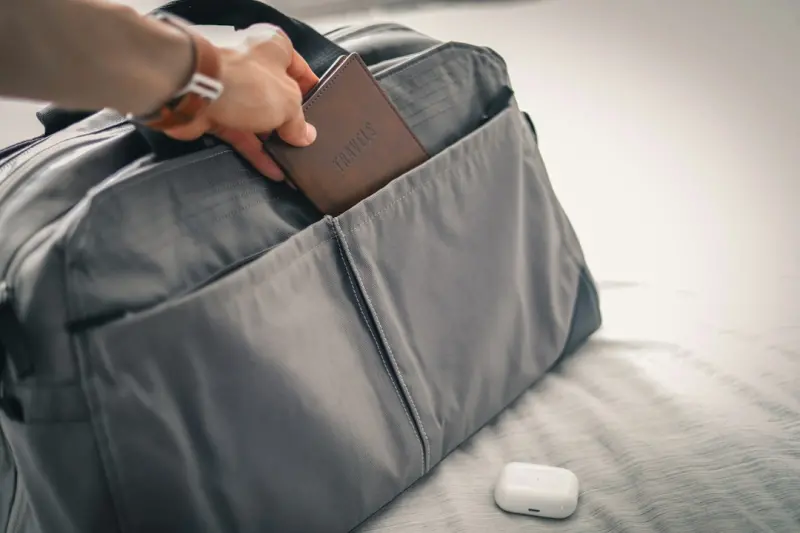
Travel Minimalism: Pack Light, Move Freely, and Keep Your Mind Clear
There’s a subtle art to traveling that most people overlook: the art of doing less with more. Not “less” as in skimping on experiences, but less in terms of physical and mental baggage. When you strip away the excess, the journey becomes a canvas for spontaneity, focus, and genuine connection. In this post, I’ll walk you through the philosophy, the practical steps, and the unexpected benefits of embracing travel minimalism.
Why Minimalism Matters on the Road
Think about the last time you returned from a trip feeling more exhausted than exhilarated. The weight of a over‑packed suitcase, a cluttered inbox of photos, and a mental to‑do list of things you “should have” done can all drain the joy out of travel. Minimalism isn’t just a design aesthetic; it’s a mindset that helps you:
- Reduce decision fatigue. Fewer clothing options mean fewer mornings spent debating what to wear.
- Boost mobility. A lighter bag lets you navigate crowded streets, stairs, and public transport with ease.
- Enhance mental clarity. When you’re not constantly worrying about belongings, you can be present for the sights, sounds, and conversations that truly matter.
- Lower environmental impact. Packing less often translates into lighter planes and trains, shaving off carbon emissions.
These advantages resonate especially with remote professionals who blend work and wanderlust. The less you carry, the easier it is to set up a pop‑up office anywhere, whether that’s a beachside café or a mountain lodge.
Step 1: Curate Your Core Wardrobe
Start by selecting a core set of versatile pieces that can be mixed and matched. The goal is to create a capsule wardrobe that works across climates and occasions.
- Neutral base layers. Think a black tee, a white button‑down, and a grey lightweight sweater. These can be dressed up with a blazer or layered under a rain jacket.
- Multipurpose bottoms. One pair of slim, quick‑dry chinos, one pair of stretch denim, and a pair of travel leggings that double as sleepwear.
- All‑weather outerwear. A packable waterproof shell that fits into its own pocket, and a lightweight insulated jacket for cooler evenings.
- Footwear minimalism. One sturdy pair of walking shoes, one pair of versatile sneakers, and a pair of flip‑flops for showers and beach days.
Remember the three‑item rule: any piece you consider adding should either replace an existing item or serve a purpose that no other piece does.
Step 2: Digitize Your Essentials
Physical clutter isn’t limited to clothes. Travel documents, books, and even creative tools can weigh you down. Here’s how to go digital:
- Travel documents. Store your passport scan, visas, and itineraries in an encrypted cloud folder. Use a password manager that can autofill passport details for flight check‑ins.
- Reading material. Switch to an e‑reader or a reading app on your phone. Curate a “travel library” of PDFs and audiobooks. The focus‑enhancing lighting tips from my home office can also improve your reading experience in dim hotel rooms.
- Creative tools. If you love sketching, a compact digital tablet replaces a sketchbook. For writers, a markdown‑compatible notes app keeps your ideas organized without the weight of a notebook.
By moving these items into the cloud, you free up both physical space and mental bandwidth.
Step 3: Optimize Your Pack Layout
Even the most minimal list can become chaotic if you don’t pack efficiently. Use the “bundle and roll” method for clothing, and compartmentalize with packing cubes.
- Bundle and roll. Rolling clothes reduces wrinkles and maximizes space, especially for soft fabrics.
- Packing cubes. Assign one cube for underwear, one for electronics, and one for accessories. This creates a visual inventory you can quickly scan.
- Strategic placement. Keep items you’ll need during transit—like a travel pillow, headphones, and a reusable water bottle—in an external pocket for easy access.
When you open your bag at a destination, you should be able to locate any item in under five seconds. This “instant‑find” system cuts down on frustration and keeps you focused on the adventure ahead.
Step 4: Embrace “Zero‑Day” Experiences
Travel minimalism isn’t only about what you carry; it’s also about how you schedule your time. Adopt the concept of a “zero‑day”—a day where you deliberately limit your activities to stay in one place, explore on foot, and let serendipity guide you.
Zero‑days have three core benefits:
- Deep immersion. By staying put, you notice details you’d otherwise miss—street art, local chatter, the rhythm of daily life.
- Reduced logistical stress. No need to juggle multiple tickets or transportation modes, which aligns perfectly with a minimalist mindset.
- Creative recharge. The mental space created by a slower pace can spark new ideas, a principle echoed in the Layover Playbook but applied to stationary days.
Plan at least one zero‑day per trip, and you’ll discover a richer, more authentic side of every city.
Step 5: Leverage Community Resources
Minimalism thrives when you can rely on external resources rather than personal stockpiles. Use co‑working spaces, local libraries, and community kitchens to offset the need for carrying everything yourself.
- Co‑working hubs. Many cities now offer day‑passes for shared workspaces equipped with monitors, printers, and fast Wi‑Fi. This eliminates the need for a heavy laptop bag.
- Library networks. Public libraries often provide free Wi‑Fi, power outlets, and even multimedia equipment you can borrow for a day.
- Community kitchens. If you’re traveling long‑term, cooking in a shared kitchen reduces the need for a full set of cookware and keeps you healthier than constant takeout.
These resources not only lighten your load but also embed you within the local ecosystem, fostering genuine connections.
Step 6: Adopt a “One‑In, One‑Out” Rule
Every time you acquire something new on the road—a souvenir, a gadget, a piece of clothing—commit to removing an existing item. This keeps the total volume constant and forces you to evaluate true value.
For example, if you buy a handcrafted scarf in a market, you could donate a t‑shirt you no longer wear to a local charity. The rule prevents accumulation and encourages thoughtful consumption.
Step 7: Mindful Tech Usage
Technology is a double‑edged sword for travelers. While it enables navigation, translation, and remote work, it can also become a source of distraction and digital clutter.
- Device consolidation. Use a single device for most tasks—an ultra‑light laptop that doubles as a tablet, or a smartphone with a detachable keyboard.
- App audit. Limit yourself to a core set of apps: maps, a language translator, a note‑taking app, and a cloud storage client. Delete any redundant apps before you leave.
- Offline preparation. Download maps, articles, and playlists ahead of time so you aren’t constantly hunting for Wi‑Fi.
By treating your tech stack as a minimalist toolkit, you maintain focus and reduce the temptation to “always be online.”
Step 8: Reflect and Iterate
Minimalism is a practice, not a one‑off checklist. After each trip, take a few minutes to review what worked and what didn’t. Ask yourself:
- Did any item feel unnecessary?
- Were there moments where I wished I had brought something extra?
- How did the lighter load affect my stress levels and engagement with the environment?
Document your insights in a digital journal—perhaps using the Personal Knowledge Graph framework you’ve seen elsewhere. Over time, you’ll build a personal “minimalist travel playbook” that evolves with your preferences.
Real‑World Examples
Here are three case studies that illustrate how minimalism can transform travel experiences:
1. The Remote Designer in Lisbon
Maria, a freelance graphic designer, decided to test a minimalist approach on a two‑week stint in Lisbon. She reduced her luggage to a 20‑liter backpack, a compact laptop, and a single set of interchangeable clothing. By using local co‑working spaces and a community kitchen, she saved €300 on accommodations and meals. More importantly, she reported a 40% increase in creative output because she spent less time managing gear and more time observing the city’s street art.
2. The Solo Backpacker on the Silk Road
Tom embarked on a 30‑day overland journey through Central Asia. He embraced a “zero‑day” strategy in each major stop—spending an entire day walking the ancient streets without a schedule. The result? He forged deep friendships with locals, learned basic phrases in four languages, and captured candid photos that would have been missed on a rushed itinerary. His minimalist pack, weighing under 8 kg, allowed him to hop on and off trains with ease.
3. The Startup Founder on a Pitch Tour
Leila, who runs a SaaS startup, combined a pitch tour across three continents with a minimalist travel philosophy. She swapped her bulky laptop for a sleek 13‑inch ultrabook, used cloud‑based presentations, and relied on local printers when needed. By adopting the “one‑in, one‑out” rule, she kept her suitcase at a constant weight, reducing airline fees and fatigue. She closed two deals and reported a clearer mind during negotiations.
Common Pitfalls and How to Avoid Them
Even seasoned minimalists can stumble. Here are three frequent mistakes and quick fixes:
- Over‑optimizing for weight. Obsessing over grams can lead you to sacrifice essential comfort items. Prioritize function over sheer lightness.
- Neglecting local regulations. Some destinations require specific attire (e.g., modest clothing for religious sites). Keep a small “cultural compliance” checklist.
- Forgetting backup plans. Minimalism shouldn’t mean “no safety net.” Pack a compact emergency kit with a multi‑tool, a small first‑aid pouch, and a portable charger.
The Bigger Picture: Minimalism as Sustainable Travel
When you travel lighter, you contribute to a lower carbon footprint—both through reduced baggage weight on flights and by consuming fewer disposable goods. This aligns with the growing movement toward low‑impact tourism, where travelers consciously choose eco‑friendly accommodations, public transport, and local experiences.
Incorporating minimalism into your travel ethos also encourages a mindset shift back home. You return with fewer possessions, a clearer head, and a renewed appreciation for the essentials—benefits that ripple into personal productivity and environmental stewardship.
Action Plan: Your Minimalist Travel Checklist
Ready to give it a try? Below is a concise checklist you can copy into your notes app:
- Define your core wardrobe (5 tops, 2 bottoms, 1 outerwear).
- Digitize documents and reading material.
- Choose a 30‑L backpack or carry‑on suitcase.
- Pack using bundle‑and‑roll and packing cubes.
- Identify one local co‑working space and one community kitchen per destination.
- Schedule at least one zero‑day per trip.
- Set a “one‑in, one‑out” rule for souvenirs.
- Conduct a post‑trip reflection and update your minimalist playbook.
Implementing these steps doesn’t require a massive overhaul—just a few intentional choices each time you prepare to travel.
Conclusion
Travel minimalism is a catalyst for freedom, creativity, and sustainability. By shedding the excess, you free up physical space for the things that truly matter: authentic interactions, spontaneous adventures, and moments of quiet reflection. Whether you’re a remote worker, a solo explorer, or a startup founder on the move, adopting a minimalist approach can transform your journeys from chaotic logistics into fluid experiences that fuel both personal growth and professional innovation.

Ryan Stuart is a seasoned freelance features writer, editor, and professional photographer with a passion for exploring the world and capturing its beauty through words and images.
Related Posts
Travel as Curation: Turning Trips Into Creative Exhibitions
Learn how adopting a curator’s mindset while traveling can turn ordinary trips into powerful sourc... Read More

Beyond the Itinerary: Crafting Community‑Centric Travel Experiences
Discover a fresh travel model that transforms trips into collaborative, purpose‑driven experiences... Read More
Flavor Trails: Turning Every Trip into a Culinary Quest
Explore travel through the senses—learn to map flavors, keep a taste notebook, and use AI tools to... Read More
Top Posts

Designing a Remote‑Work Ready Home That Fuels Focus and Well‑Being
Discover how to remodel your living space into a remote‑work ready environment with zones for focus, creativity, and recharge, plus lighting, sound, and habit...Read More

The Art of Slow‑Travel Photography: Capturing Moments with a Disposable Camera
Explore the power of slow‑travel photography with a disposable camera, turning every journey into a mindful, sustainable adventure that captures true moments....Read More

Playful Curiosity: Rewire Stress into Creativity
Curiosity isn’t just a hobby; it’s a mental‑health strategy. Learn three practical ways to turn everyday questions into resilience‑building habits that ...Read More

From Drab to Fab: Transform Your Balcony into a Lush Vertical Garden
Discover step‑by‑step tips to convert your balcony into a vibrant vertical garden that feeds your kitchen and delights the senses....Read More
0 Comments
Post Comment
You will need to Login or Register to comment on this post!