
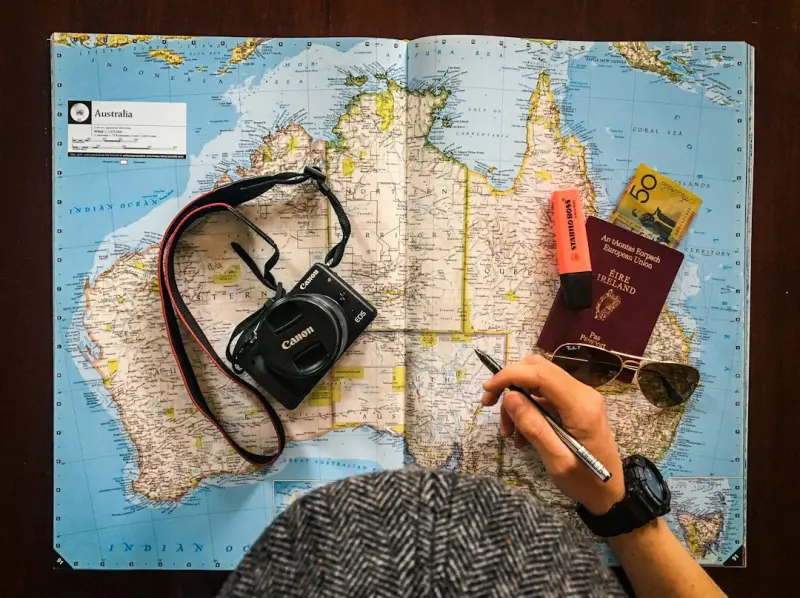
Why Your Next Trip Should Be a Full‑Body Sensory Experience
When I first started jet‑setting for work, I treated travel like a series of check‑boxes: “book flight, hit the conference, grab a quick dinner, get back to the hotel.” Over time I realized that checking boxes left my mind feeling hollow, my creativity flat, and my body craving a reset. That’s when I stumbled upon the idea of sensory travel—curating each moment of a journey to engage sight, sound, smell, taste, and touch in a way that rewires my brain and replenishes my energy reserves.
From Passive Tourist to Sensory Curator
Most travel guides focus on “must‑see” landmarks and “top‑rated” restaurants. While those are valuable, they rarely address the how of experiencing a place. Think about the difference between standing in front of the Eiffel Tower and actually feeling the breeze, hearing the distant chatter of locals, smelling fresh croissants baking nearby, and touching the cool iron of the tower’s railing. Those layers of perception turn a simple sight‑see into a memory that stays vivid for years.
Designing a sensory itinerary forces you to ask three core questions:
- What do I want my brain to feel? Are you looking for calm, inspiration, or a burst of adrenaline?
- Which senses are most dormant right now? If you’ve been glued to screens, perhaps your sense of smell needs a revival.
- How can I weave local culture into each sense? The answer lies in tiny, intentional moments.
Mapping the Five Senses to Your Travel Goals
Below is a practical framework I use when planning a trip, broken down by sense. Feel free to copy, tweak, or discard—this is your canvas.
1. Sight: Curate Visual Rhythm
Instead of cramming every iconic site into a single day, I schedule “visual pauses.” In Kyoto, for example, I spend an hour in a machiya tea house, watching the soft dance of paper lanterns. In a bustling city like New York, I seek out rooftop gardens where the skyline meets a splash of green. These visual breaths prevent eye‑fatigue and give your brain time to process the overload of information.
2. Sound: Tune Into the Local Soundscape
Every locale has a soundtrack—street musicians, market haggling, distant temple bells, or the hum of a subway. I often download a short decision fatigue checklist to decide when to engage with these sounds and when to retreat into a quiet café. By deliberately listening, you lower stress hormones and sharpen focus.
3. Smell: Follow the Aromatic Trail
Our olfactory system is directly linked to memory. I make it a point to inhale the unique scents of a destination: the salty sea air in Dubrovnik, the incense at a Marrakech souk, or the pine‑scented wood of a Finnish cabin. I keep a small notebook where I jot down the aroma, the location, and the feeling it sparked. Years later, that scent can instantly transport you back, renewing the emotional charge of the trip.
4. Taste: Eat With Intent
Traveling for food is a given, but tasting with intention means more than ordering the most popular dish. I ask myself: “What texture am I missing?” or “What flavor profile can broaden my palate?” In Oaxaca, I sampled mole in small bites, focusing on the complex layers of chocolate, chilies, and spices. In a coastal town in Portugal, I paired fresh sardines with a splash of citrus to brighten the palate and awaken my senses.
5. Touch: Feel Your Way Through Culture
Touch is often overlooked, yet it can be the most grounding sense. I like to incorporate tactile experiences—whether it’s weaving a traditional rug in Turkey, feeling the cool stone of a centuries‑old cathedral, or simply walking barefoot on a beach at sunrise. These moments anchor you physically, reminding your nervous system that you are present.
Building Your Sensory Itinerary: A Step‑by‑Step Guide
Below is a repeatable process I use for every trip, from weekend getaways to month‑long sabbaticals.
- Define Your Sensory Goal. Write a one‑sentence intention. Example: “I want to leave this trip feeling creatively recharged and physically relaxed.”
- Research Sensory Hotspots. Use travel blogs, local forums, and even smart lighting concepts to identify places that naturally stimulate your desired senses.
- Allocate Time Blocks. Instead of a jam‑packed schedule, carve out 30‑minute blocks dedicated to each sense. This prevents overload and allows deeper immersion.
- Pack Sensory Tools. Bring a small journal for scent notes, a portable recorder for ambient sounds, a reusable water bottle for mindful sipping, and a lightweight scarf for tactile comfort.
- Practice Mindful Transitions. Move between sensory experiences with a brief meditation or breathing exercise. This helps your brain reset and fully absorb each new input.
- Reflect Daily. At the end of each day, review your sensory notes. Identify which moments sparked joy, curiosity, or calm, and adjust the next day’s plan accordingly.
The Science Behind Sensory Travel
Neuroscientists have long known that multi‑sensory stimulation can boost neuroplasticity—the brain’s ability to form new connections. When you engage multiple senses simultaneously, you create richer memory traces, making the experience more resilient to forgetting. Moreover, sensory diversity combats the monotony that often triggers decision fatigue, a phenomenon where the brain’s executive function declines after prolonged periods of choice overload. By pre‑designing sensory cues, you reduce the mental load of figuring out “what to do next,” freeing up cognitive bandwidth for creativity.
Another compelling piece of research links exposure to natural light and varied visual patterns with improved circadian rhythm and mood regulation. This is where smart lighting principles can inspire you: seek environments that naturally shift lighting throughout the day—sunlit rooftops in the morning, warm amber interiors at dusk—to align your internal clock with the locale.
Case Study: A Sensory Journey Through Portugal
Last spring I spent ten days traversing Portugal, but I didn’t follow the typical “Lisbon → Porto” route. Instead, I built a sensory loop:
- Day 1–2: Lisbon’s Light. I chose a boutique hotel with floor‑to‑ceiling windows that framed the Tagus River. Mornings began with sunrise yoga on the balcony, letting the soft golden light flood my skin. Evenings were spent in a dimly lit Fado house, absorbing the melancholy chords that resonated deep in my chest.
- Day 3: Olfactory Alfresco. In the Alentejo countryside, I visited a lavender farm. I walked barefoot through the rows, inhaling the soothing scent while the earth beneath my feet grounded me.
- Day 4–5: Tasting the Atlantic. I joined a local fisherman’s crew in Nazaré. The salty spray, the tactile pull of the net, and the fresh grilled sardines—all combined into a visceral memory of the sea.
- Day 6: Sound of Tiles. In Porto, I explored the historic Ribeira district, listening to the rhythmic clatter of ceramic tiles being laid by artisans. I recorded a short audio snippet to replay later, instantly transporting me back to that cobblestone rhythm.
- Day 7–8: Visual Textures. A weekend retreat in the Douro Valley offered vineyard walks, where the rows of grapevines created a living, breathing tapestry of greens and purples.
- Day 9–10: Tactile Farewell. I learned traditional Portuguese tile painting in a small studio in Coimbra, feeling the cool, smooth ceramic surface as my brush traced intricate azulejos.
The result? Upon returning home, I felt a surge of creative ideas for my upcoming product launch, and my sleep patterns were more synchronized than after any previous “business‑only” trips.
Practical Tips for the Busy Professional
Even if you have only a weekend away, you can embed sensory principles without overhauling your schedule.
- Choose a Sensory Anchor. Pick one sense to focus on each day. Day one could be all about sight—visit art galleries, watch a sunset. Day two could be about taste—take a cooking class.
- Leverage Technology. Use apps that detect ambient sound levels so you can find the quietest cafés for a mindful pause. Wear a light‑adjusting glasses that mimic the natural light cycle to stay in sync with your circadian rhythm.
- Pack Light, Pack Smart. A small, reusable scent bottle (like a lavender roll‑on) can help you create a familiar olfactory cue when you’re on the go.
- Set Micro‑Goals. Rather than a massive “recharge,” aim for “experience three new textures” or “record five distinct ambient sounds.” Small wins keep you motivated.
Integrating Sensory Travel Into Corporate Culture
Many forward‑thinking companies are already recognizing that employee wellbeing extends beyond the office. A sensory retreat can become a powerful team‑building exercise, fostering deeper connections and fresh perspectives. Imagine a weekend offsite where each session is designed to engage a different sense: a sunrise hike for sight, a local market tour for smell, a cooking challenge for taste, a collaborative art project for touch, and a quiet listening lounge for sound.
Such experiences not only combat burnout but also encourage cross‑functional collaboration. When teams share sensory memories, they create a shared language that transcends typical corporate jargon, leading to more authentic communication and innovative problem‑solving.
Common Pitfalls and How to Avoid Them
While sensory travel is rewarding, there are a few traps to watch out for:
- Over‑Planning. If you schedule too many sensory activities back‑to‑back, you risk sensory overload. Remember, the goal is to reset, not to overwhelm.
- Ignoring Personal Preferences. Not everyone reacts the same way to certain stimuli. If crowds make you anxious, prioritize quieter spots.
- Forgetting Practicalities. Check local health guidelines, weather conditions, and accessibility—sensory experiences are best when they’re safe and comfortable.
Final Thoughts: Make Your Next Journey a Sensory Symphony
Travel is more than a change of scenery; it’s a chance to recalibrate every facet of your being. By deliberately weaving sight, sound, smell, taste, and touch into your itinerary, you transform a simple trip into a multi‑dimensional experience that fuels creativity, restores mental clarity, and deepens emotional resilience.
So the next time you book a flight, ask yourself: What will my senses discover? The answer might just be the spark you need to return home feeling refreshed, inspired, and ready to tackle the next big challenge.

Melanie Wilson, Freelance writer with a flare for everything. I am passionate about topics I write crafting stories and compelling content that connect with audiences. Journeying through the realms of creativity as a freelance creator. #WriterLife #ContentCreator
Related Posts

Traveling Light, Living Rich: A Business Traveler’s Guide to Capsule Packing and Experiential Flow
A business traveler’s roadmap to lighter luggage, smarter networking, and immersive micro‑experi... Read More

Traveling with Your Ears and Nose: Crafting a Sensory Diary on the Road
Discover a fresh travel approach that uses sound and scent to build lasting memories, with practical... Read More

Travel as a Living Museum: Curating Sensory Adventures on the Road
A fresh take on travel encourages explorers to treat each destination as a living museum, using a se... Read More
Top Posts
AI‑Powered Scenario Planning: Turning Uncertainty into Strategic Momentum
AI‑powered scenario planning equips leaders with real‑time, probabilistic insights, turning unpredictable events into strategic opportunities and building l...Read More
From Side‑Project to Corporate Innovation: Turning Your Personal Hustle into a Career Accelerator
Discover how to transform a personal side‑project into a corporate growth engine, gaining visibility, resources, and a clear path to promotion—all while sta...Read More

How to Craft an Outdoor Reading Sanctuary That Invites Calm and Creativity
Discover how to transform a simple outdoor space into a dedicated reading sanctuary, blending comfortable furniture, strategic lighting, soothing plants, and se...Read More
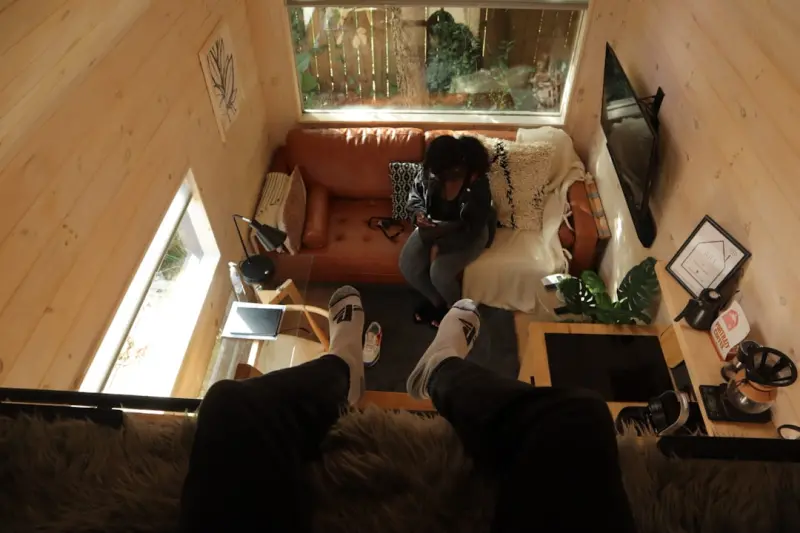
Micro‑Zones: Tiny Home Transformations for Big Daily Wins
Learn to carve out micro‑zones—focused corners for work, cooking, relaxation, fitness, and creativity—that streamline daily life, improve productivity, an...Read More
0 Comments
Post Comment
You will need to Login or Register to comment on this post!