
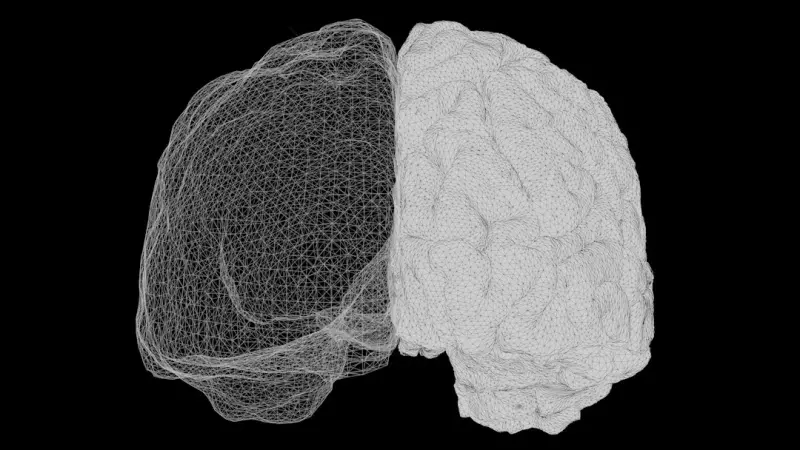
Rewiring Your Brain: The Rise of Digital Boundaries for Mental Health
We live in an era where the buzz of a notification can feel as intrusive as a car alarm at 3 a.m. While smartphones, collaboration platforms, and endless streams of content promise productivity and connection, they also create a hidden mental toll. The constant influx of alerts, the pressure to be “always on,” and the blurred lines between work and personal life have turned many of us into perpetual multitaskers—an unsustainable habit for our nervous systems.
In this post, I’ll explore a fresh, evidence‑backed approach to mental health: establishing intentional digital boundaries. It’s not about abandoning technology; it’s about redesigning our relationship with it so that it serves our well‑being rather than hijacking it. Below you’ll find practical frameworks, neuroscience insights, and actionable steps you can embed into your daily routine.
The Science Behind Digital Overload
When a notification pings, our brain releases dopamine, a neurotransmitter linked to reward and motivation. In small doses, this “digital dopamine hit” can feel gratifying. However, frequent interruptions keep the brain in a state of partial arousal, preventing the restorative default mode network (DMN) from fully activating. The DMN is crucial for reflection, creativity, and emotional processing. Without sufficient downtime, the DMN remains under‑utilized, leading to:
- Reduced ability to concentrate for longer periods
- Heightened stress hormones (cortisol) circulating throughout the day
- Decreased emotional regulation and increased irritability
Research from leading cognitive psychologists shows that even brief, repeated task switches can double the time needed to complete a project while simultaneously increasing perceived mental fatigue. In other words, the more we let our devices dictate our focus, the more exhausted our brains become.
Why Traditional “Digital Detox” Isn’t Enough
Many organizations champion “digital detox” days—weekends or evenings where employees are encouraged to unplug. While beneficial, this binary approach can feel punitive and unrealistic. It frames technology as the enemy, creating guilt when we inevitably reconnect. What we need is a nuanced, sustainable strategy that integrates digital use into a broader mental health toolkit.
Enter structured digital boundaries. Think of them as mental guardrails that guide the flow of information, allowing you to reap the benefits of connectivity while preserving the sanctity of your inner world.
Four Pillars of Structured Digital Boundaries
1. Temporal Segmentation
Instead of reacting to each ping, batch your digital interactions into intentional blocks. For example:
- Morning intake (30 min): Scan emails, Slack, and news headlines.
- Midday focus (90 min): Turn off notifications and work on deep tasks.
- Afternoon catch‑up (15 min): Respond to urgent messages.
- Evening unwind (no screens after 9 p.m.): Replace screens with reading, gentle stretching, or a calming hobby.
Temporal segmentation reduces the “switch cost”—the mental energy lost each time we change tasks. Over time, it trains your brain to enter a state of sustained focus, which is a cornerstone of mental resilience.
2. Spatial Design
Physical spaces can cue mental habits. Create a “device‑free zone” in your home where work‑related tech is off‑limits. This could be a reading nook, a kitchen table, or a balcony garden. By anchoring certain areas to low‑stimulus activities, you give your brain clear signals that it’s safe to relax.
For inspiration on how environments affect our psyche, check out the Moonlit Gardens: Crafting Nighttime Outdoor Sanctuaries piece. It illustrates how thoughtful spatial design can transform a simple area into a mental oasis.
3. Content Curation
Not all information is equal. Apply a “digital diet” to your feeds: keep only sources that add genuine value or joy. Unfollow accounts that trigger anxiety, and use tools like RSS readers to consolidate updates into a single, controllable stream.
When you feel the urge to scroll, pause and ask: “Is this content nourishing my mind, or is it a distraction?” By making this habit conscious, you build meta‑cognitive awareness—a proven predictor of emotional well‑being.
4. Emotional Check‑Ins
Integrate brief reflective moments throughout the day. Set a timer to pause for a minute, close your eyes, and notice any tension in your body. This simple practice reactivates the DMN, allowing you to process emotions before they accumulate.
Pair these check‑ins with a tool that supports mental clarity. For instance, leveraging AI can help you sort through information without the mental overload. Read about how AI as a mental health ally can streamline decision‑making, freeing up mental bandwidth for self‑care.
Implementing Boundaries in a Remote‑First Workplace
Remote work amplifies the challenge of digital overexposure. Without a physical office, the line between “work” and “home” can blur. Here’s a step‑by‑step guide to embed boundaries into a distributed team culture:
- Set Clear Availability Hours: Communicate your core hours on shared calendars. Encourage teammates to respect them.
- Adopt “No‑Meeting” Blocks: Designate afternoons or mornings as meeting‑free zones for deep work.
- Leverage Asynchronous Communication: Use project management platforms where updates can be read and responded to on one’s own schedule.
- Champion “Digital Declutter” Sessions: Quarterly, allocate time for teams to clean up inboxes, archive old files, and streamline notification settings.
When leaders model these practices, it creates a ripple effect. Employees feel empowered to protect their mental health without fearing backlash for “being offline.”
The Role of Curiosity in Managing Digital Overload
Curiosity might sound unrelated, but it’s a hidden ally for mental resilience. When you approach digital boundaries with a sense of exploration—asking yourself, “What new habit can I try today to reduce screen time?”—you transform the act from a restriction into a rewarding quest.
Read more about how Curiosity as a resilience tool can boost mental stamina and spark innovative problem‑solving.
Measuring the Impact: Simple Metrics to Track Progress
To ensure your digital boundary experiment is effective, use low‑effort metrics:
- Screen‑time reports: Most smartphones now show weekly usage. Aim for a 10% reduction each month.
- Focus sessions completed: Track deep‑work blocks using Pomodoro timers.
- Mood journal entries: Note daily stress levels before and after implementing boundaries.
- Sleep quality: Observe changes in sleep latency and duration when you enforce evening screen‑free periods.
When you see tangible improvements—shorter time to fall asleep, higher concentration scores, or fewer mood swings—you’ll feel motivated to refine and expand your boundaries.
Future‑Proofing Your Mental Health in a Hyper‑Connected World
Technology will only become more immersive. Augmented reality, wearables, and AI assistants promise richer experiences, but they also introduce new layers of stimulation. By mastering digital boundaries now, you build a flexible mental framework that can adapt as tech evolves.
Consider these forward‑thinking practices:
- Mindful device onboarding: When adopting a new app, set a “trial period” with defined usage limits.
- Scheduled “offline retreats”: Even a weekend away from all screens can reboot your brain’s capacity for deep thought.
- Collaborative boundary setting: In team settings, co‑create shared norms around after‑hours communication.
Ultimately, the goal isn’t to become a hermit but to become a master of your own attention. By curating when, where, and how you engage with digital tools, you reclaim the mental space needed for creativity, empathy, and genuine connection.
Takeaway Checklist
- Define three daily “focus windows” and turn off notifications during them.
- Create at least one device‑free zone in your home.
- Audit your digital diet: keep only the feeds that uplift you.
- Schedule hourly 60‑second emotional check‑ins.
- Track screen time, focus sessions, mood, and sleep for four weeks.
- Share your boundary plan with teammates and invite feedback.
By implementing these steps, you’ll start to feel a noticeable shift—less mental clutter, more clarity, and a stronger sense of control over your daily life. The digital world is here to stay, but you get to decide how much of it lives inside you.

Amanda is a passionate writer exploring a kaleidoscope of topics from lifestyle to travel and everything in between.
Related Posts

The Power of Narrative Journaling: Turning Everyday Moments into Mental Resilience
Learn how turning daily experiences into concise narratives can transform anxiety into actionable in... Read More

Beyond the Screen: Crafting a Mental Health Routine for the Hyper‑Connected Age
A practical guide to safeguarding mental health in our always‑online lives, blending micro‑pause... Read More

Training the Mind Like a Pro: A Mental Fitness Playbook
A fresh take on mental health: treat your brain like a pro athlete. Learn core drills, periodization... Read More
Top Posts

Nurturing Your Mood: How the Gut Microbiome Shapes Emotional Health
Explore the gut‑brain connection and uncover everyday foods and habits that nurture your microbiome, fostering a calmer, more resilient mind....Read More

Beyond the Mirror: Data‑Driven Skincare for a Smarter Routine
A deep dive into using wearable sensors, humidity monitors, and smart home devices to create a data‑driven skincare routine that balances science and self‑c...Read More

Why Employee‑Owned Projects Are the Secret Sauce for Modern Companies
Employee‑owned projects let staff originate, lead, and deliver initiatives that directly impact business goals, creating a culture of ownership that drives in...Read More

Chasing Sunlight: Designing Home & Garden Spaces That Thrive With Natural Light
Discover practical strategies to map sunlight, use reflective surfaces, choose light‑friendly colors, and integrate seasonal adjustments, turning any home and...Read More
0 Comments
Post Comment
You will need to Login or Register to comment on this post!