
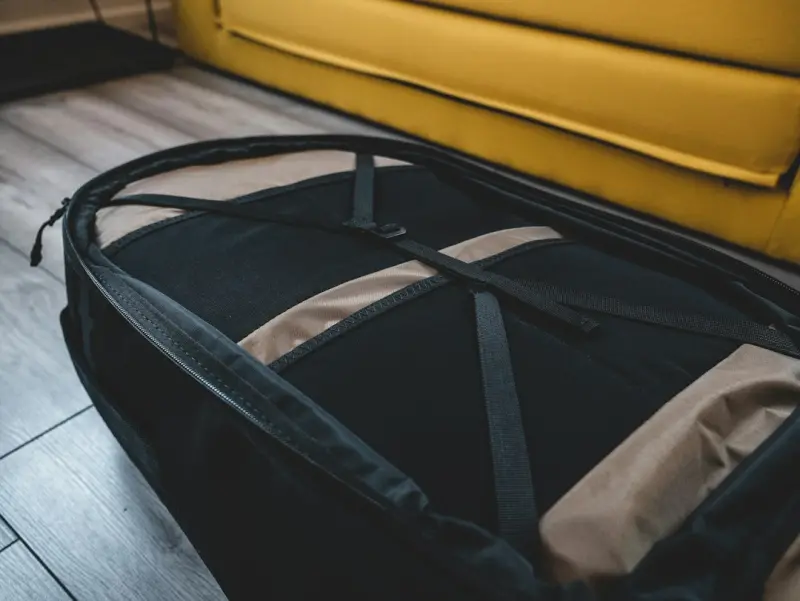
Why Traditional Packing Is Dead: The Rise of Modular Travel Gear
For most of us, the word “packing” conjures images of frantic suitcases, mismatched socks, and the perpetual dread of forgetting that one essential item. It’s a ritual that feels both inevitable and inefficient. Yet a quiet revolution is underway in the travel community, and it’s reshaping the very act of preparing for a trip. Modular travel gear—interchangeable, stackable, and purpose‑built components—offers a new paradigm that lets you travel lighter, smarter, and more sustainably.
The Pain Points That Still Haunt Travelers
Before diving into the solution, let’s acknowledge the frustrations that have persisted despite countless packing hacks:
- Weight limits. Airlines enforce strict baggage allowances, and excess weight can quickly turn a weekend getaway into a costly ordeal.
- Space scarcity. From cramped overhead bins to tiny hostel lockers, space is a premium commodity on the road.
- Redundancy. Most travelers end up packing duplicate items—multiple shirts for the same purpose, several chargers that could be consolidated, or a mountain of toiletries that never get used.
- Environmental impact. Disposable travel accessories—single‑use toiletry containers, cheap plastic bags—create a hidden carbon footprint that many are only beginning to recognize.
These issues are not just inconveniences; they shape the entire travel experience. Heavy luggage can limit your mobility, while overpacking forces you to sacrifice spontaneity. The good news? Modular gear directly addresses each of these pain points.
What Exactly Is Modular Travel Gear?
At its core, modular gear is a system of interchangeable components designed to work together seamlessly. Think of a set of cubes that snap together, a jacket with detachable sleeves, or a toiletry kit that expands with magnetic inserts. The philosophy mirrors the “building blocks” concept popular in other industries—each piece has a defined function, yet it can be combined in countless configurations to suit any journey.
Key characteristics include:
- Interchangeability: Components can be mixed and matched across different brands.
- Scalability: Add or remove modules based on trip length, climate, or activity.
- Durability: High‑quality materials ensure longevity, reducing the need for frequent replacements.
- Smart design: Integrated features like RFID‑blocking pockets, waterproof seals, or built‑in charging ports.
How Modular Gear Redefines the Packing Process
Traditional packing follows a linear checklist: “Shirt, pants, underwear, charger…” Modular systems flip that script. Instead of packing items individually, you assemble pre‑configured modules that correspond to specific activities or days.
For example, a three‑day city break might look like this:
- Base Module: A lightweight, water‑resistant backpack with a dedicated laptop sleeve.
- Day‑Out Module: A compact cube containing a versatile shirt, a pair of breathable trousers, and a reusable water bottle.
- Evening Module: A sleek pouch holding a smart‑casual shirt, a light jacket, and a set of accessories.
- Toiletry Module: A collapsible, leak‑proof case with travel‑size containers that snap into place.
When the trip ends, you simply disassemble, store the modules in a single tote, and you’re ready for the next adventure. No more digging through a suitcase to find that one missing charger.
Case Study: The Digital Nomad’s Dream Setup
Consider Maya, a freelance graphic designer who spends three months at a time in different cities. Her biggest challenge was balancing work equipment with personal comfort without exceeding airline weight limits. By adopting a modular system, Maya achieved the following:
- Reduced baggage weight by 30%. Her modular backpack, combined with a detachable laptop sleeve, eliminated the need for a separate carry‑on.
- Increased flexibility. When she switched from a beach town to a mountain retreat, she simply swapped the “Day‑Out” module for a “Hiking” module containing thermal layers and a compact first‑aid kit.
- Lowered environmental impact. By reusing the same high‑quality modules across trips, she cut down on single‑use packaging and disposable toiletries.
Maya’s story isn’t unique; it’s emblematic of a broader shift toward travel minimalism powered by modular design.
Integrating Sustainability: A Natural Fit
Modular gear aligns perfectly with the growing demand for sustainable travel. By investing in durable, reusable components, travelers can significantly reduce waste. Moreover, many manufacturers now source recycled materials for their modules, creating a closed‑loop system where the product’s life cycle is minimized.
When you think about it, the Eco-Adventure Playbooks movement championed low‑impact journeys, but the modular approach pushes that ethos one step further—turning the act of packing itself into an eco‑friendly habit.
Choosing the Right Modular System
Not all modular gear is created equal. Here are three criteria to guide your selection:
- Compatibility: Look for brands that adhere to open standards (e.g., standard cube sizes) so you can mix and match across product lines.
- Material Quality: Waterproof fabrics, reinforced zippers, and antimicrobial linings add longevity and functionality.
- Scalability: Ensure the system offers a range of modules—from tiny toiletry pods to larger garment organizers—to accommodate various trip lengths.
Popular categories include:
- Compression Cubes: Stackable bags that compress clothing while maintaining visibility.
- Smart Backpacks: Packs with built‑in USB ports, solar panels, or modular compartments.
- Convertible Clothing: Jackets that transform into vests, pants that zip into shorts, and multi‑use accessories.
Practical Tips for Building Your Own Modular Kit
Even if you’re not ready to purchase a full system, you can start small. Here’s a step‑by‑step guide:
- Audit Your Essentials. List everything you typically pack for a week‑long trip.
- Group by Function. Cluster items into categories such as “Work,” “Leisure,” “Fitness,” and “Toiletries.”
- Select Base Modules. Choose a versatile backpack or suitcase that can hold all other modules.
- Buy or DIY Modules. Purchase ready‑made cubes or repurpose small pouches with velcro or magnetic closures.
- Test and Refine. Pack for a short weekend trip, note any gaps, and adjust your modules accordingly.
Over time, you’ll develop a personalized system that feels effortless—much like the habit of brushing your teeth.
Travel Stories Powered by Modular Gear
Travelers worldwide are sharing how modular gear has transformed their journeys. On social platforms, you’ll find hashtags like #ModularTravel and #PackSmart trending among backpackers, business travelers, and adventure seekers alike. One notable anecdote comes from a group of cyclists traversing the Andes. By using detachable weather‑proof sleeves that snap onto their jackets, they could adapt to sudden altitude changes without carrying multiple heavy coats.
These real‑world examples echo the insights from Crossing Borders, which emphasized purposeful planning. Modular gear provides the practical toolkit to execute those purpose‑driven itineraries without the baggage baggage.
The Future: Smart Modular Systems and AI Integration
Looking ahead, the intersection of modular design and smart technology promises even greater convenience. Imagine a backpack that detects the weight distribution of each module and suggests rearrangements via a mobile app, or a set of cubes that automatically sync with your itinerary to remind you of weather‑appropriate clothing.
While these concepts still sit on the horizon, early adopters are already experimenting with RFID‑tagged modules that trigger notifications when you leave a piece behind—perfect for preventing the infamous “forgot my charger” moment.
Conclusion: Pack Light, Live Large
Modular travel gear is more than a trend; it’s a shift in mindset. By treating your luggage as a dynamic system rather than a static collection, you unlock freedom, sustainability, and efficiency. Whether you’re a digital nomad, a weekend explorer, or a globe‑trotting professional, the modular approach lets you focus on the journey itself—not the hassle of packing.
Embrace the modular revolution, and you’ll find that the world feels a little smaller, your suitcase a lot lighter, and your impact on the planet a lot greener.

Robert Mathews is a professional content marketer and freelancer for many SEO agencies. In his spare time he likes to play video games, get outdoors and enjoy time with his family and friends .
Related Posts

Turning Every Stop into a Collaborative Lab: The Future of Hyper‑Local Travel
Hyper‑local immersion pods, biometric travel mapping, and time‑banked hospitality are redefining... Read More

Beyond the Itinerary: Turning Travel Into a Personal Growth Lab
Explore a fresh “growth‑first” travel framework that blends micro‑experiments, reflective to... Read More
The Hidden Power of Micro‑Moments: How Tiny Travel Experiences Supercharge Your Life
Discover how focusing on sensory, unexpected moments during travel can enhance creativity, empathy, ... Read More
Top Posts

Turn Your Backyard into a Productive Garden Desk Oasis
Explore the rise of garden desks, learn design tips, productivity hacks, and sustainable practices to turn your outdoor space into a thriving work oasis....Read More

How a Personal Board of Directors Can Transform Your Career Pivot
Learn to create a Personal Board of Directors—a small, trusted advisory group that provides strategic guidance, accountability, and diverse perspectives to he...Read More

Why Skill Badges Are the New Resume: Navigating the Shift to Competency‑First Hiring
Skill badges are emerging as verified micro‑credentials that bridge the gap between traditional résumés and real‑world abilities, offering employers faste...Read More

Mobile Basecamps: Turning Every Trip into a Productive Playground
Discover the blueprint for a mobile basecamp that lets you work efficiently, explore authentically, and make micro‑impact contributions wherever you travel....Read More
0 Comments
Post Comment
You will need to Login or Register to comment on this post!