
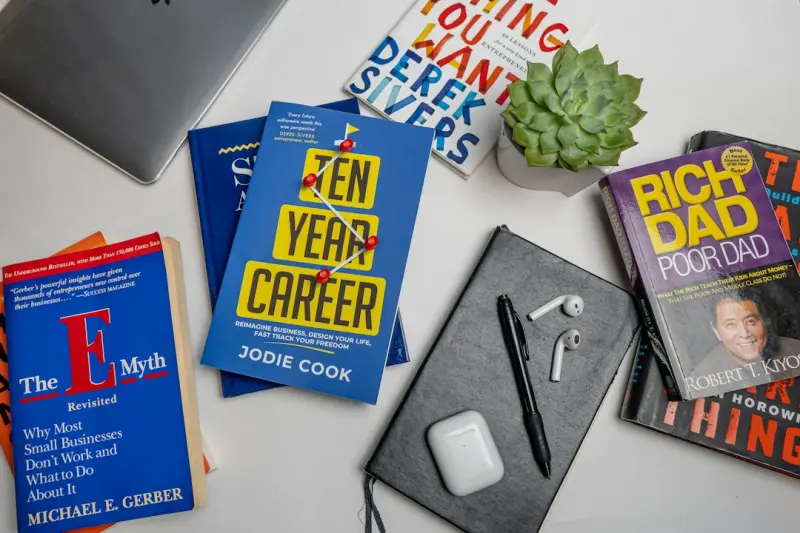
When I first stepped into a mid‑size tech firm as a junior analyst, the career ladder felt like a rigid metal scaffold—each rung pre‑determined, each promotion a matter of seniority rather than relevance. Over the years, I’ve watched that scaffold wobble, tilt, and, in some places, disappear entirely. Today, a new conversation is reshaping how we think about climbing—or rather, navigating—the professional terrain: the shift from static titles to dynamic skill narratives.
Why the Traditional Ladder Is Cracking
For decades, organizations have measured growth by the distance an employee climbs upward. The model is simple: you start as an assistant, become a manager, then a director. While intuitive, the ladder assumes a linear path and rewards tenure over transformation. In practice, it creates three hidden problems:
- Stagnation. When your next rung is defined by a title you don’t genuinely aspire to, motivation wanes.
- Misalignment. Business needs evolve faster than anyone’s promotion cycle, leaving skill gaps unfilled.
- Talent Drain. High‑potential contributors often leave for roles that better match their evolving abilities.
These friction points aren’t just HR anecdotes; they’re measurable losses in productivity and innovation. Companies that cling to the ladder risk becoming museums of past practices, while their competitors sprint ahead with fluid, skill‑first ecosystems.
The Skill Narrative Model: A Fresh Blueprint
Imagine each employee’s career as a living story, not a fixed title. In this model, skills are the characters, and projects, collaborations, and learning experiences are the plot twists that drive the narrative forward. The outcome isn’t a new badge on a résumé; it’s a richer, more authentic representation of what you bring to the table today—and what you’re capable of tomorrow.
Key pillars of the skill narrative approach include:
- Modular Skill Mapping. Rather than a monolithic job description, roles are broken into competency blocks that can be mixed, matched, and upgraded.
- Transparent Portfolio Displays. Employees curate a digital showcase of achievements, certifications, and peer endorsements, making it easy for managers and peers to see real value.
- Self‑Directed Growth Paths. Individuals set short‑term learning goals that align with both personal aspirations and organizational priorities.
When you replace “Senior Engineer” with “Full‑Stack Solutions Architect – Cloud, AI, and Automation”, you instantly communicate both depth and breadth. The narrative becomes a living contract between employee and employer, one that can be renegotiated as often as market conditions shift.
Building the Infrastructure for Narrative Careers
Transitioning to this model isn’t a matter of swapping a few words in a job posting; it requires a foundational overhaul of the systems that capture, evaluate, and reward work. Below are three practical steps that have proven effective for forward‑thinking teams.
1. Adopt a Skill Taxonomy That Grows With You
Start with a baseline framework—think of it as a dictionary of competencies relevant to your industry. But unlike static taxonomies, make it editable. Encourage employees to propose new skill categories as emerging technologies or methodologies appear. This collaborative approach prevents the taxonomy from becoming obsolete and signals that learning is a two‑way street.
2. Leverage a Dynamic Portfolio Platform
Invest in a digital workspace where individuals can attach project artifacts, code snippets, design mockups, or client testimonials directly to their skill entries. Think of it as a blend between a professional network and a personal knowledge base. The platform should support peer validation—so a colleague can “upvote” a contribution, adding social proof to the narrative.
For teams already experimenting with self‑service job ecosystems, exploring self‑service job marketplaces can provide valuable insights on how to design such a platform with flexibility and user‑centricity in mind.
3. Redesign Review Cycles Around Growth Stories
Traditional performance reviews often focus on whether an employee met predefined KPIs tied to a title. Shift the conversation to “What new chapters have you authored this quarter?” Encourage managers to ask:
- Which skill blocks have you expanded?
- How have you applied new competencies to solve real business challenges?
- What narrative gaps do you see in your own story, and how can we help you fill them?
This reframing turns reviews from a compliance exercise into a coaching session, aligning personal ambition with corporate direction.
Real‑World Examples: From Theory to Practice
Several organizations have already begun experimenting with narrative career frameworks, and their early results are promising.
- TechCo’s “Skill Bazaar.” Engineers log their proficiency levels in a marketplace‑style dashboard. When a product team needs a rapid prototype, they scout the Bazaar for the right blend of front‑end, data‑science, and UX talent, assembling a crew on the fly rather than reshuffling titles.
- HealthPlus’s “Project Journals.” Clinicians document case studies linked to specific medical competencies, creating a living repository that informs both internal training and external certifications.
- FinServe’s “Growth Sprints.” Employees set 30‑day skill sprint goals, share outcomes in a weekly stand‑up, and receive micro‑grants for supplemental learning. The result? A 27% increase in cross‑functional project participation within six months.
These stories illustrate the tangible impact of moving beyond static hierarchies. By treating skill acquisition as a narrative, companies unlock hidden talent pools and foster a culture where learning is the primary currency.
Addressing Common Concerns
As with any paradigm shift, skeptics raise valid questions. Below are the most frequent objections and practical ways to address them.
“We’ll Lose Clarity on Who’s Responsible.”
When roles become fluid, it can feel like accountability is slipping. Counter this by anchoring each skill block to concrete outcomes. For example, “Data Visualization – Lead the creation of executive dashboards for Q3.” The outcome ties the skill directly to a deliverable, preserving clarity.
“Our Compensation Model Is Tied to Titles.”
Transition to a skill‑based compensation matrix. Assign monetary ranges to competency levels rather than job titles. This ensures pay equity while rewarding those who upskill. Many firms find that transparent matrices also reduce negotiation friction and improve morale.
“It’s Too Much Work for HR.”
Start small. Pilot the narrative model in one department, using existing tools like learning management systems to track skill growth. As the process proves its worth, the workload distributes itself—managers, peers, and employees all become custodians of the narrative.
Future‑Proofing Your Workforce
In a world where automation reshapes job functions every few years, the ability to articulate and pivot your skill set becomes a survival skill. Companies that institutionalize skill narratives give their people the agility to move laterally, take on hybrid roles, or even reinvent themselves entirely.
Think of it this way: instead of asking “What title can we give you next?” ask “What story are you ready to write tomorrow?” The answer will always be richer, more personalized, and more aligned with the rapid pace of change.
Getting Started: A 5‑Step Playbook
- Map Existing Skills. Conduct a quick audit of current competencies across teams.
- Define Skill Blocks. Break down roles into modular skill categories that can be combined in multiple ways.
- Launch a Portfolio Tool. Choose a platform that lets employees attach evidence to each skill.
- Train Managers. Equip leaders with the language to discuss narratives during check‑ins.
- Iterate Quarterly. Review the taxonomy, update the platform, and celebrate new story chapters.
By following this roadmap, you’ll move from a static ladder to a living narrative—one that grows as fast as your industry does.
Conclusion: The Narrative Advantage
Employment isn’t a destination; it’s a journey written in real time. When you replace titles with skill narratives, you empower people to become the protagonists of their own professional stories. You also give your organization a living inventory of capabilities that can be mobilized at a moment’s notice. In the end, it’s not about abandoning structure; it’s about reshaping it into something as dynamic as the people who fill it.
If you’re curious about how other innovative structures are influencing today’s work environment, you might also explore how agile micro‑team structures are redefining collaboration, or how purposeful new‑hire journeys set the stage for these narrative careers.

Melanie Wilson, Freelance writer with a flare for everything. I am passionate about topics I write crafting stories and compelling content that connect with audiences. Journeying through the realms of creativity as a freelance creator. #WriterLife #ContentCreator
Related Posts

Building a Living Employment Portfolio: The New Career Canvas
A static résumé is obsolete. This article explores how a living employment portfolio—combining r... Read More
The Four‑Day Workweek Playbook: How to Pitch, Implement, and Thrive
Learn how to pitch a four‑day workweek, build a solid business case, negotiate with leadership, an... Read More
Micro‑Internships and Gig Cooperatives: New Paths to Employment Security
Explore the power of short‑term, project‑focused micro‑internships and collaborative gig coope... Read More
Top Posts

Skill Stacking: Building a Career Mosaic for the AI‑Driven Workplace
Skill stacking turns careers into dynamic mosaics, blending technical, business, and soft skills to thrive in today’s AI‑driven workplace. This post reveals...Read More

The Myth of “Fixed” Mental Health
When I first started treating my mind like a gym, the results were nothing short of a revelation. Most of us think of mental health as a static state—somethin...Read More

AI‑Powered Decision Intelligence: Turning Data Into Strategic Compass
Learn how to build a decision‑intelligence engine that fuses causal modeling, real‑time feedback, and ethical safeguards, turning everyday data into a strat...Read More

When the Unexpected Becomes the Highlight: Embracing Travel Detours
Travel’s most memorable moments often come from surprise detours. This article explores the science behind serendipity, shares real stories, and offers practi...Read More
0 Comments
Post Comment
You will need to Login or Register to comment on this post!