

The Distributed Workplace Revolution: Why Traditional Office Metrics No Longer Matter
When I first stepped into a remote‑first role a few years ago, I expected the biggest challenge to be juggling home‑office distractions. What I didn’t anticipate was how profoundly the entire employment paradigm would shift—not just for me, but for every organization scrambling to keep up with a new normal.
Today, the conversation has moved past “remote work is here to stay” to a more nuanced discussion about distributed workplaces. It’s not merely a location change; it’s a re‑engineering of how we measure productivity, build culture, and evaluate talent. In this post, I’ll walk you through the three pillars that are redefining employment in a world where the office is optional, and I’ll share actionable tactics that you can start applying right now.
1. Redefining Performance: From Hours‑Logged to Outcomes‑Delivered
For decades, the default metric for employee performance was the number of hours spent at a desk. In a distributed setting, that metric collapses under its own weight. The real question becomes: what did the employee accomplish?
- Goal‑Oriented OKRs: Shift from weekly timesheets to quarterly Objectives and Key Results (OKRs) that focus on tangible outcomes. This aligns individual effort with broader business objectives and removes the need for constant check‑ins.
- Transparent Dashboards: Use shared dashboards that surface real‑time progress on key projects. When everyone can see the data, trust builds organically, reducing the urge to micromanage.
- Outcome‑Based Rewards: Compensation structures that reward milestone delivery (e.g., bonus tied to product launch success) reinforce a results‑first mindset.
Implementing these practices isn’t just about efficiency; it’s about dignity. Employees no longer have to justify their existence by staying late at a physical office. They can focus on delivering value, which in turn fuels engagement and retention.
2. Cultivating Culture Without a Physical Space
One of the most common myths is that culture needs a shared coffee machine. In reality, culture is a set of shared values, rituals, and stories—none of which require a brick‑and‑mortar backdrop.
Here are three strategies that have helped my team feel connected despite being spread across five continents:
- Virtual Watercooler Sessions: Schedule short, informal video calls where teams discuss non‑work topics. The key is consistency, not length—five minutes a week is enough to keep the human element alive.
- Distributed Onboarding Playbooks: Create a living document that outlines the company’s mission, key processes, and cultural touchstones. Pair new hires with a “culture buddy” who can answer the unspoken questions that only arise after the first week.
- Celebrating Wins Publicly: Use a company‑wide channel to shout out achievements, big or small. Public recognition creates a sense of belonging and encourages a culture of gratitude.
These tactics work best when they are designing digital boundaries that protect employees’ mental bandwidth. By intentionally carving out “no‑meeting” blocks and respecting after‑hours time zones, you signal that wellbeing is a core cultural value, not an afterthought.
3. Talent Acquisition in a Borderless World
Recruiting used to be a hyper‑local exercise: post a job board, attend a regional career fair, and sift through résumés that match a specific zip code. The distributed model expands the talent pool dramatically—but it also demands a fresh approach to evaluation.
Enter skill badges. These micro‑credentials let candidates showcase competencies in a verifiable, portable format. Instead of a traditional résumé that lists “JavaScript” among ten other buzzwords, a candidate can present a badge earned after completing a rigorous, project‑based assessment.
Beyond badges, consider these recruitment refinements:
- Asynchronous Interviews: Allow candidates to record responses to pre‑set questions at their convenience. This not only respects time zones but also reduces scheduling friction.
- Project‑Based Assessments: Rather than theoretical questions, give a short, real‑world problem that mirrors the work they’ll do. Review the process, not just the final answer.
- Diversity‑Focused Sourcing: Leverage global job boards and community groups to attract candidates from under‑represented regions, bringing fresh perspectives into the mix.
When you combine skill‑badge validation with project‑based assessments, you create a hiring funnel that prioritizes capability over conventional pedigree. The result? A workforce that can hit the ground running, no matter where they log in from.
4. Technology as the Glue for Distributed Teams
Technology is the invisible infrastructure that holds the distributed model together. However, it’s easy to fall into the trap of “more tools = more productivity.” The reality is that the right tools, used thoughtfully, make the difference.
Here’s a lean stack that has proven effective for my organization:
- Collaboration Hub: A single platform (e.g., Notion, ClickUp) where documents, tasks, and meeting notes reside. This eliminates information silos.
- Asynchronous Communication: Tools like Slack or Teams for quick, threaded conversations, paired with clear guidelines on response expectations.
- Video Conferencing with Integrated Whiteboards: Platforms that allow real‑time sketching (e.g., Miro) help replicate the spontaneity of in‑person brainstorming.
- Data‑Driven Feedback Loops: Analytics dashboards that track project velocity, code review times, or sales cycle lengths. Use these metrics to surface bottlenecks, not to police individuals.
When you choose tools that respect the asynchronous nature of distributed work, you also honor the AI‑Powered Storycraft philosophy of letting data tell the story, rather than forcing human narratives onto raw numbers.
5. The Human Element: Empathy, Trust, and Autonomy
Technology, metrics, and processes are the scaffolding; empathy is the foundation. Distributed teams thrive when leaders demonstrate trust and give employees autonomy to shape their workdays.
Consider these empathy‑first practices:
- Regular Pulse Surveys: Short, anonymous check‑ins that gauge morale, workload, and wellbeing. Act on the insights promptly.
- Transparent Decision‑Making: Share the “why” behind strategic shifts in all‑hands meetings. When employees understand the context, they’re more likely to align with the vision.
- Personal Development Budgets: Allocate funds for each employee to pursue learning—whether it’s a language course, a certification, or a hobby that fuels creativity.
When employees feel heard and supported, they become ambassadors for the culture they help build, which in turn attracts top talent—creating a virtuous cycle of growth.
6. Preparing for the Next Evolution: Hybrid Flexibility
While many organizations have embraced a fully remote model, a growing segment is experimenting with hybrid flexibility—allowing teams to choose the mix that best serves their objectives.
Key considerations for a successful hybrid strategy:
- Equitable Access: Ensure that remote participants have the same meeting visibility, document access, and decision‑making power as those in the office.
- Shared Calendars with Time‑Zone Awareness: Use tools that automatically display meeting times in each participant’s local time to avoid inadvertent scheduling bias.
- Rotating In‑Person Pods: If occasional face‑to‑face interaction is valuable, create rotating pods of employees who meet physically on a scheduled basis, fostering deeper bonds without mandating daily commutes.
The hybrid model isn’t a compromise; it’s an evolution that respects the diverse needs of a global workforce while preserving the benefits of physical collaboration when it truly adds value.
Conclusion: Embrace the Distributed Future with Intentional Design
The employment landscape is undergoing a seismic shift. The old playbook—centered on office footprints, 9‑to‑5 schedules, and résumé‑driven hiring—no longer fits the realities of a distributed world. By focusing on outcomes, cultivating culture through intentional digital practices, leveraging skill‑badge validation, and weaving empathy into every process, organizations can thrive in this new era.
If you’re ready to start redesigning your employment strategy, begin with a single experiment: replace one weekly status meeting with an asynchronous dashboard update. Observe the impact on focus, morale, and productivity. Then iterate, expand, and watch as your organization transforms from a collection of remote workers into a cohesive, high‑performing distributed team.

Mei Chen is a dynamic professional who brings a unique blend of skills to Blogging Fusion. As a key contributor to the Blogging Fusion platform, she leverages her writing expertise to create engaging content that resonates with our audience.
Related Posts
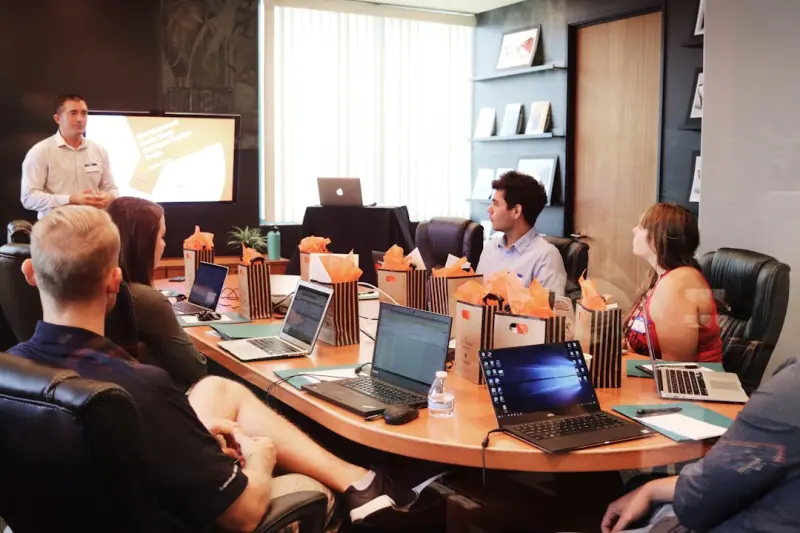
Why a Structured Role Marketplace Boosts Employee Agency
A role marketplace transforms static org charts into fluid talent ecosystems, giving employees agenc... Read More
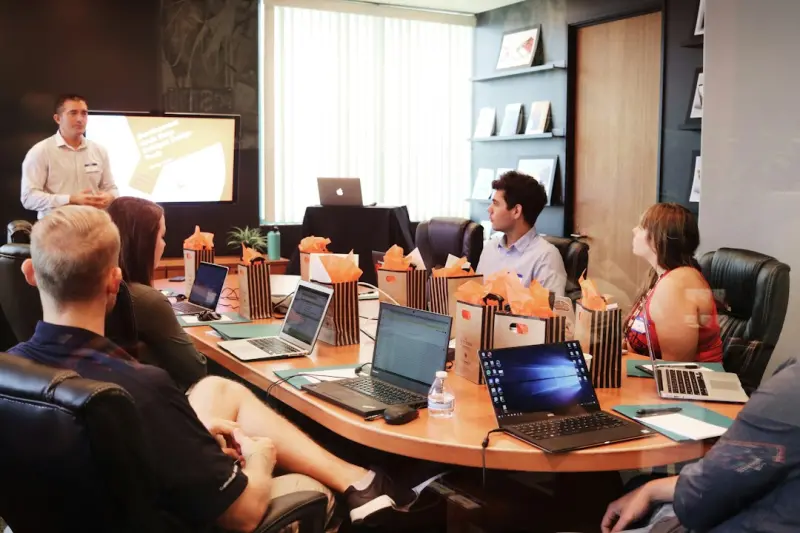
Intentional Onboarding: A Launchpad for Long-Term Success
A deep dive into building an intentional onboarding experience that accelerates learning, reinforces... Read More

Redefining Careers: How Skill Narratives Unlock Hidden Talent
Traditional job titles can stifle growth. Learn how skill narratives let employees showcase real con... Read More
Top Posts

Storytelling for the Soul: How Narrative Practices Boost Mental Wellness
Explore practical storytelling techniques—scene‑setting journals, playful personas, and future letters—that transform stress into structured narratives, f...Read More
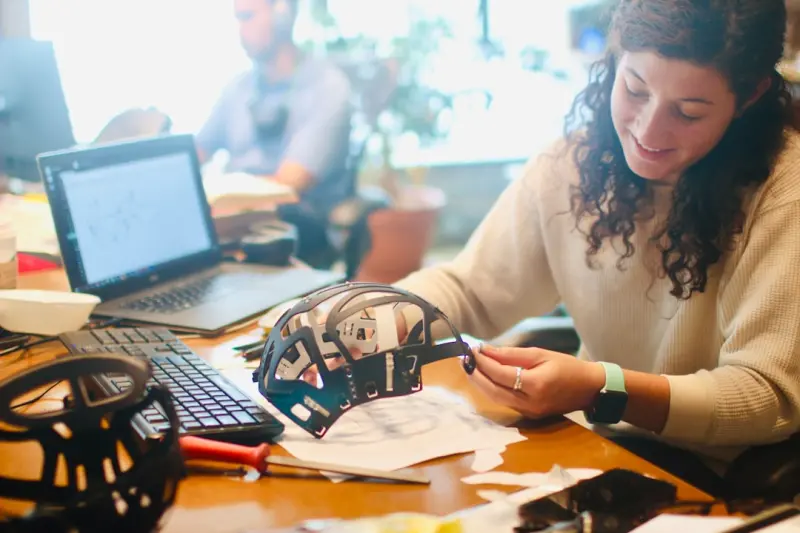
Portfolio Careers: Crafting a Flexible Future at Work
Discover the rise of portfolio careers, learn practical steps to launch multiple gigs, and see how tech and internal marketplaces can empower a flexible, resili...Read More

Transform Your Entryway into a Stress‑Free Welcome Hub
A step‑by‑step guide to turning a chaotic foyer into a serene welcome hub, featuring practical zones, calming materials, subtle tech, and easy maintenance h...Read More

From Lawn to Laptop: The Garden Desk Trend That's Boosting Home Life
A garden desk isn’t just a piece of furniture—it's a lifestyle upgrade that merges outdoor bliss with work efficiency, turning any backyard into a personal ...Read More
0 Comments
Post Comment
You will need to Login or Register to comment on this post!