
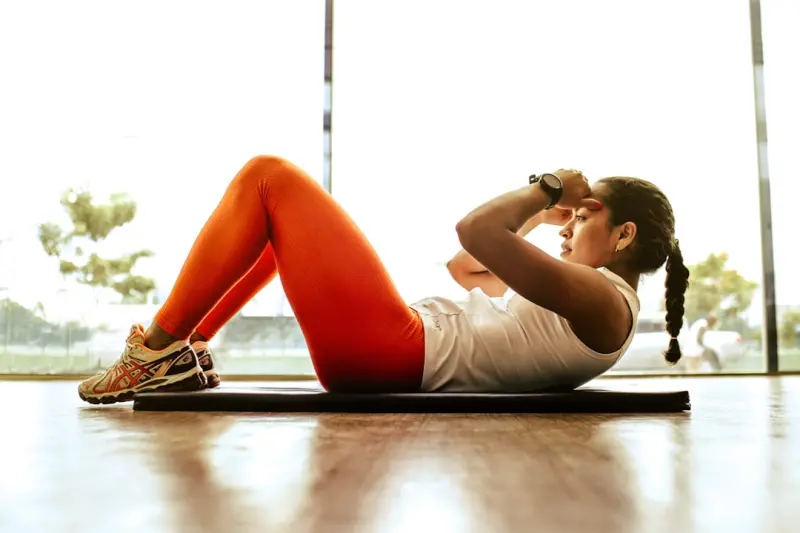
Imagine squeezing a burst of movement into the space between checking emails, sipping coffee, or waiting for a video to load. Those fleeting moments—once dismissed as “too short to matter”—are now the foundation of a health movement that’s quietly reshaping office life. I call it the micro‑exercise revolution, and it’s not just a fad; it’s a science‑backed response to the chronic inactivity that plagues modern work environments.
Why Tiny Workouts Pack a Big Punch
Traditional fitness advice has always championed the hour‑long gym session, but recent research shows that the body responds to movement on a spectrum of durations. Even a 30‑second sprint, a set of desk‑friendly squats, or a quick stretch can trigger metabolic spikes, elevate heart rate, and release endorphins. The key lies in the frequency and consistency of these micro‑bursts, which keep the circulatory system humming and the brain alert without the logistical hurdles of a full workout.
Neuroscientists explain that brief bouts of activity stimulate the release of brain‑derived neurotrophic factor (BDNF), a protein that enhances neuroplasticity and sharpens cognitive function. For knowledge workers who juggle complex problem‑solving, the resulting boost in focus can be the difference between a smooth project delivery and a mental block.
From Theory to Desk: Practical Micro‑Exercise Strategies
Implementing micro‑exercise is less about a rigid program and more about integrating movement into existing workflows. Below are proven tactics you can adopt today:
- The 60‑Second Rule: Every hour, stand up for a full minute. Perform a quick sequence—jumping jacks, calf raises, or wall push‑ups. This simple habit interrupts sedentary patterns and resets circulation.
- Desk‑Bound Circuit: Create a 5‑minute circuit using only a chair and your own body weight. Think seated leg lifts, desk push‑downs, and seated torso twists. Cycle through the moves while waiting for a colleague’s response in a chat.
- Micro‑Walks: Replace the “walk to the printer” with a brisk 30‑second hallway sprint. The extra intensity adds a cardio component without extending break times.
- Staircase Sprints: If your office has stairs, take two flights at a moderate pace, then walk back down. Repeat three times. The effort is short but enough to raise heart rate into the aerobic zone.
- Technology‑Assisted Reminders: Leverage smartwatch or phone alerts that nudge you to move. Set them to vibrate every 45 minutes, prompting a quick stretch or a set of squats.
The Science of Cumulative Impact
When you add up micro‑exercise throughout a typical 8‑hour day, the total active time can easily exceed 10 minutes—a figure comparable to the “minimum effective dose” for health benefits identified in large cohort studies. Moreover, these short bursts are less intimidating, reducing the psychological barrier that many employees feel toward “making time” for fitness.
Beyond physical health, micro‑exercise has measurable effects on stress reduction. A 5‑minute series of dynamic stretches activates the parasympathetic nervous system, lowering cortisol levels and fostering a calm, resilient mindset. Over weeks, employees report fewer headaches, less eye strain, and a heightened sense of control over their workday.
Case Study: A Tech Startup’s 30‑Second Sprint Culture
One mid‑size tech startup introduced a “30‑second sprint” policy: at the top of each hour, the entire team performed a rapid burst of movement—alternating between high‑knees, arm circles, and deep breaths. Within three months, the company logged a 12% reduction in sick days, and employee surveys highlighted increased energy and collaboration.
What made this initiative successful? The leadership framed the sprints as team‑building moments rather than a health mandate. By tying movement to a shared rhythm, the practice became a cultural touchstone, reinforcing both physical well‑being and corporate identity.
Integrating Micro‑Exercise into Remote Work
Remote workers face a different set of challenges—often more isolation and even more prolonged sitting. The micro‑exercise model shines here because it requires no special equipment or dedicated space. A quick set of “desk push‑ups” or a wall sit while on a video call can be seamlessly woven into the day.
To foster consistency, remote teams can use collaborative tools. For example, a shared calendar event titled “Micro‑Move Break” can appear every hour, reminding everyone to pause. Pairing this with a personal AI decision coach that suggests tailored movement based on calendar load can personalize the experience, making it feel less like a chore and more like a smart workflow enhancement.
Technology Meets Micro‑Movement
Wearable technology has evolved beyond step counting. Modern devices now detect subtle posture changes, monitor heart rate variability, and even analyze micro‑movement patterns. When paired with intelligent software, they can recommend optimal micro‑exercise windows based on workload intensity.
One innovative solution integrates micro‑learning concepts—delivering short, actionable health tips right when you need them. Imagine an app that, after analyzing your afternoon slump, suggests a 45‑second “desk plank” to re‑energize your core and brain. This approach blends the microlearning on the go philosophy with physical wellness, creating a holistic productivity loop.
Designing Workspaces for Micro‑Movement
Physical environment plays a crucial role. Open‑plan offices can incorporate standing zones, low‑height platforms, or “movement corners” stocked with yoga blocks and resistance bands. Even a simple change—like repositioning a printer to require a short walk—creates built‑in prompts for activity.
Beyond the office floor, digital platforms can support micro‑exercise through gamification. Leaderboards that track cumulative active seconds, badges for “consistent mover,” or team challenges that reward collective minutes moved can spark friendly competition. When employees see their micro‑efforts visualized, the perceived value of those tiny bursts skyrockets.
Potential Pitfalls and How to Avoid Them
While micro‑exercise offers many benefits, it’s essential to implement it thoughtfully:
- Over‑Intensity: Not every employee can safely perform high‑impact moves. Offer low‑impact alternatives, such as seated marches or gentle neck rolls.
- Interrupting Focus: Timing matters. For deep‑work periods, schedule micro‑breaks either before or after a concentrated block rather than in the middle.
- Lack of Follow‑Through: Without clear leadership endorsement, initiatives can fade. Leaders should model the behavior and publicly acknowledge participation.
- One‑Size‑Fits‑All Messaging: Tailor suggestions based on individual health status. Using an AI‑driven recommendation engine can personalize micro‑exercise plans, ensuring safety and relevance.
The Future: Micro‑Exercise as a Core Metric
Imagine a future where “active minutes per day” is as important a KPI as “project milestones delivered.” Some progressive companies are already tracking this metric, integrating it into performance dashboards alongside traditional business outcomes. The rationale is simple: healthier bodies produce sharper minds, leading to better decision‑making and innovation.
In the next wave of workplace design, we’ll likely see micro‑exercise embedded into onboarding, performance reviews, and even compensation structures—perhaps offering wellness credits for reaching active‑minute thresholds.
Getting Started: A 7‑Day Micro‑Exercise Blueprint
Ready to test the concept? Here’s a starter plan that requires no equipment and can be done from any desk:
- Day 1 – The 60‑Second Pulse: Stand and march in place for one minute at the start of each hour.
- Day 2 – Desk Circuit: Perform 5 seated leg lifts, 5 desk push‑downs, and 5 torso twists—repeat three times during the morning.
- Day 3 – Stair Sprint: Take two flights of stairs twice a day, walking back down slowly.
- Day 4 – Wall Sit Challenge: Hold a wall sit for 30 seconds before lunch and after the afternoon meeting.
- Day 5 – Micro‑Walk Breaks: Walk to a colleague’s desk instead of sending a chat message three times.
- Day 6 – Stretch Sync: Follow a 2‑minute guided stretch video during the mid‑day break.
- Day 7 – Reflect & Adjust: Review how you felt, note any energy spikes, and plan which micro‑moves to keep.
At the end of the week, you’ll have experienced firsthand how short bursts can reshape your day, boost your mood, and perhaps even improve your output. The secret is consistency—not intensity.
Conclusion: Small Moves, Big Momentum
The micro‑exercise revolution isn’t about replacing traditional fitness; it’s about complementing it with a realistic, everyday layer of movement that acknowledges the constraints of modern work life. By embracing these bite‑sized workouts, organizations can foster healthier, more engaged employees while also unlocking a new dimension of productivity.
If you’re curious about blending technology, habit formation, and wellness, consider exploring structured daydreaming techniques that pair mental resets with physical micro‑movement. The synergy of mind and body micro‑breaks could be the next frontier in workplace health.

Ryan Stuart is a seasoned freelance features writer, editor, and professional photographer with a passion for exploring the world and capturing its beauty through words and images.
Related Posts
Micro‑Movement: Small Shifts for Big Desk‑Side Health
A personal guide to integrating brief, purposeful movements into your remote workday, combining post... Read More

Morning Light: Unlocking Your Body’s Natural Rhythm for Better Health
Learn how aligning your daily routine with natural daylight can enhance sleep quality, lift mood, re... Read More
Micro‑Movement Healing: Tiny Exercise Bursts for Big Health Benefits
Learn how integrating tiny, frequent movements into daily routines can improve circulation, mental c... Read More
Top Posts
Designing Quiet, Focus‑Friendly Zones in an Open‑Plan Home
Discover step‑by‑step strategies to turn corners of your open‑plan home into quiet, focus‑friendly zones using furniture, lighting, air quality, and sim...Read More
Turning Setbacks into Mental Fuel: A Growth‑Mindset Playbook
Ryan Stuart shares a practical playbook for turning everyday setbacks into mental fuel, using growth‑mindset techniques to reduce anxiety and foster lasting r...Read More

Why Employee Voice Platforms Are the New Competitive Edge
A deep dive into why continuous employee voice platforms are becoming the secret weapon for SaaS firms, with practical steps, case studies, and future AI‑enha...Read More

Micro‑Getaways: How Short Trips Supercharge Creativity
Micro‑getaways—compact, purpose‑driven trips of one to two days—offer a powerful alternative to traditional retreats, delivering fresh perspectives and ...Read More
0 Comments
Post Comment
You will need to Login or Register to comment on this post!