
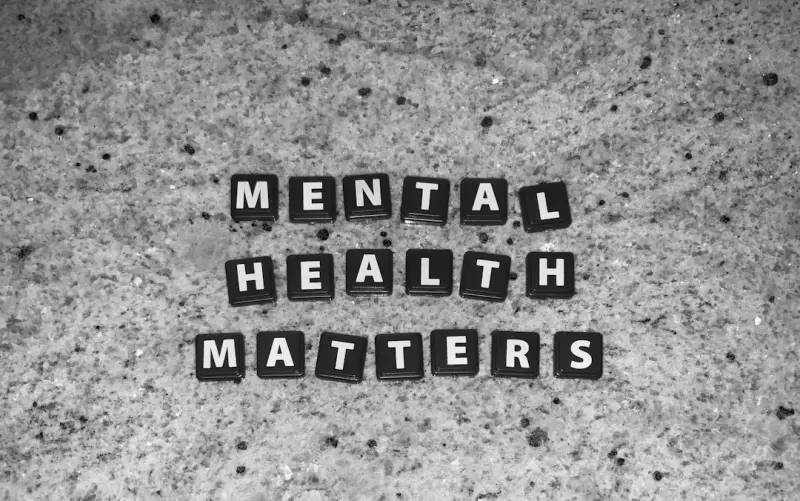
Why Mental Buffer Zones Matter More Than Ever
In the whirlwind of notifications, meetings, and endless to‑do lists, my brain feels like a bustling train station—people rushing, announcements blaring, doors opening and closing at a frantic pace. I used to think that sheer willpower was the antidote: “Just push through.” That mindset left me exhausted, irritable, and constantly on edge. It took a series of tiny, deliberate pauses—what I now call mental buffer zones—to transform that chaos into a rhythm I could actually dance to.
The Science Behind a Buffer Zone
Neuroscience tells us that our prefrontal cortex, the seat of executive function, can only juggle a limited amount of information before it starts to short‑circuit. When we overload it, cortisol spikes, working memory deteriorates, and decision‑making becomes a gamble. Research on attention restoration theory shows that short, restorative breaks can reboot this system, replenishing the brain’s “cognitive bandwidth.” In other words, a few seconds of mental space can reset the neural pathways that keep us sharp.
Designing Your Own Buffer Zones
Creating a buffer zone isn’t about adding another task to an already packed schedule. It’s about carving out micro‑moments that are deliberately low‑stimulus and high‑intent. Below are three practical categories you can experiment with:
- Physical micro‑pauses: Stand, stretch, or step outside for 30 seconds. The change in environment signals your brain to shift gears.
- Sensory resets: Close your eyes, take a deep breath, or focus on a single scent. This taps into the body’s parasympathetic response, soothing the nervous system.
- Digital detox dots: Turn off notifications for a minute, or switch a work screen to “Do Not Disturb.” This eliminates the dopamine spikes that keep you glued to the feed.
Sensory Resets: A Deeper Dive
One of my favorite buffer activities is a quick sensory reset. I’ll close my eyes, inhale a hint of lavender, and count to five. This simple practice draws from the same principles highlighted in The Art of Sensory Bathing, but applies them in a portable, desk‑friendly format. By engaging a single sense—smell, in this case—I give the brain a clear, soothing signal that it’s safe to relax.
Micro‑Pauses for Digital Overload
Our devices are relentless. Push notifications, email pings, and chat alerts create a constant “need‑to‑respond” pressure cooker. I introduced a habit I call the Two‑Minute Digital Bubble. Every time I finish a major task, I set a timer for two minutes, silence all alerts, and simply stare at a blank wall or a plant. This tiny digital detox helps lower the adrenaline surge that typically follows intense screen time.
For those who crave a more structured approach, consider integrating the Breathing Back Balance technique. Pair a breath‑in for four counts, hold for seven, and exhale for eight—repeat three times. It’s a scientifically backed rhythm that nudges the nervous system back into a state of calm.
Physical Micro‑Pauses: Move to Reset
Movement isn’t just about cardio; it’s about resetting proprioceptive feedback. A quick neck roll, a shoulder shrug, or a five‑second march in place can signal to the brain that it’s time to transition. When I schedule my calendar, I now embed a “micro‑move” block after each meeting. It feels almost ceremonial—like a palate cleanser between courses.
Embedding Buffer Zones into Your Workflow
Here’s a step‑by‑step template to integrate buffer zones without feeling like you’re adding more to your day:
- Identify transition points: Notice when you move from one type of activity to another (e.g., finishing a deep‑work session and heading to a meeting).
- Choose a buffer type: Decide whether a physical, sensory, or digital pause makes the most sense for that moment.
- Set a timer: Even a 30‑second alarm can give you permission to pause without guilt.
- Reflect briefly: Ask yourself, “What’s the single thing I need to feel ready for the next task?”
- Document the impact: Jot a quick note in your journal about how you felt before and after the pause.
The Ripple Effect: From Personal to Team Resilience
Buffer zones aren’t just a solo strategy. When a leader models intentional pauses, it creates a cultural ripple. Teams start to recognize the value of stepping back before sprinting forward, which can reduce burnout and boost collective creativity. In my recent collaboration with a cross‑functional group, we introduced a shared “pause button” on our virtual whiteboard. Anyone could click it, and the whole group would take a 60‑second silence. The result? More thoughtful contributions and fewer miscommunications.
Common Pitfalls and How to Avoid Them
1. Viewing pauses as wasted time: Reframe them as “mental maintenance.” Just as you wouldn’t skip oil changes for your car, you shouldn’t skip brain maintenance.
2. Over‑structuring the pause: If you force a rigid script, the pause can feel like another chore. Keep it flexible—sometimes a breath, sometimes a stretch.
3. Neglecting consistency: The brain thrives on patterns. Aim for at least three buffer zones a day, and the benefits will compound.
Measuring Success Without Numbers
While you could track metrics like reduced error rates or increased focus scores, I prefer a qualitative approach. After a week of intentional buffering, ask yourself:
- Do I feel less frantic when moving between tasks?
- Is my irritability level lower during high‑stress moments?
- Can I recall moments of clarity that I might have missed before?
If the answers trend positive, you’ve built a resilient mental habit that’s likely to stick.
Final Thoughts: The Power of Intentional Pauses
In a world that glorifies hustle, the act of stopping feels radical. Yet, those micro‑pauses are the unsung heroes of mental endurance. By weaving mental buffer zones into our daily rhythm, we shift from reacting to living deliberately. The next time you feel the urge to power through, remember that a 30‑second pause might just be the most productive thing you do all day.

Miranda Murphy: Experienced freelance writer with a decade of storytelling expertise. Let's create something amazing together!
Related Posts
Tiny Pauses, Big Impact: Rethinking Mental Health in a Hyper‑Connected World
In a world where notifications never stop, tiny mindful pauses, smarter digital habits, and subtle e... Read More

Emotional Hygiene: A Daily Practice for Sustainable Mental Well‑Being
Discover a step‑by‑step emotional hygiene system—micro‑reflection, boundary architecture, an... Read More

Storytelling for a Resilient Mind
A fresh look at using storytelling and narrative journaling as a cognitive reset, helping remote wor... Read More
Top Posts

Hidden Storage Hacks for Small Homes
Learn practical, low‑cost hidden storage solutions that turn every nook into functional space, helping small‑home dwellers declutter, stay organized, and en...Read More

Harnessing Breath: How Wearable Biofeedback Can Rewire Your Stress Response
Learn how wearable biofeedback transforms ordinary breathing into a powerful tool for stress reduction, enhanced focus, and overall health, using simple daily m...Read More

Layered Sensory Self‑Care: Turning Everyday Moments into a Wellness Ritual
Explore a fresh approach to personal care by layering tactile, auditory, and olfactory cues, turning daily routines into intentional, rejuvenating experiences....Read More

Cultivating an Outdoor Reading Oasis: Garden Book Nook Ideas
Learn to transform any garden corner into a cozy outdoor reading oasis with tips on placement, seating, plant choices, weather‑proofing, lighting, and persona...Read More
0 Comments
Post Comment
You will need to Login or Register to comment on this post!