
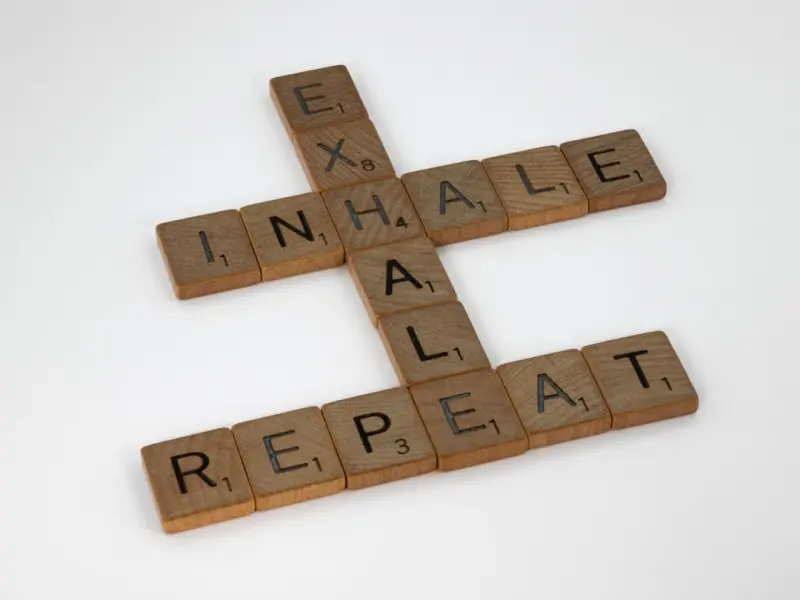
When the buzz of notifications turns my morning coffee into a background soundtrack, I reach for something that never pings, never updates, and never demands a password: my breath. In a world that’s constantly asking us to do more, faster, the simple act of breathing—something we’ve been doing for millennia—has become my secret weapon against the digital overload that threatens both mind and body.
Why Breathwork Deserves a Spot at the Top of Your Health Toolbox
Breathwork isn’t a new-age fad; it’s a physiological lever that directly influences the nervous system, hormone balance, and even gene expression. When you breathe deliberately, you engage the parasympathetic nervous system, the part of your brain that tells you to rest, digest, and heal. This is the opposite of the “fight‑or‑flight” mode triggered by constant email alerts, endless scrolling, and deadline pressure.
Research shows that a few minutes of controlled breathing can:
- Lower cortisol—the stress hormone that spikes with every new Slack message.
- Stabilize heart rate variability (HRV), a key indicator of resilience and overall cardiovascular health.
- Boost focus and creativity by increasing oxygen flow to the prefrontal cortex.
- Support immune function by reducing inflammation that often stems from chronic stress.
All of these benefits are measurable, and many modern wearables now track them in real time, giving you immediate feedback on how your breath is shaping your day.
From Desk‑Bound to Deep‑Breath: Integrating Breathwork Into a Tech‑Heavy Lifestyle
My typical day starts with a laptop, a cup of coffee, and a barrage of push notifications. Here’s the routine I’ve built that lets me slip breathwork into even the busiest schedules:
- Morning Reset (2 minutes) – Before checking email, I sit upright, place a hand on my diaphragm, and inhale for a count of four, hold for seven, exhale for eight. This “4‑7‑8” pattern instantly calms the nervous system.
- Screen‑Shift Breath (30 seconds) – Every time I transition between tasks—say, from coding to a video call—I pause, close my eyes, and take three deep belly breaths. This tiny habit prevents the cumulative stress of task‑switching.
- Mid‑Afternoon Recharge (1 minute) – I use a quick micro‑break to practice box breathing (inhale, hold, exhale, hold—each for four seconds). It’s a fast way to reboot mental clarity without leaving my desk.
- Evening Wind‑Down (5 minutes) – Before bedtime, I dim the lights, set a calming playlist, and perform a slow, rhythmic breath practice called “Coherent Breathing” (5 breaths per minute). This signals my body that it’s time to shift into sleep mode.
The beauty of these practices is that they require no equipment, no extra time, and they can be done anywhere—from a cramped coworking cubicle to a quiet corner of a bustling café.
The Science Behind the Breath: What Happens Inside Your Body
When you breathe consciously, you’re essentially sending a command to the autonomic nervous system. Here’s a quick breakdown of the cascade:
- Oxygen Intake Increases – More oxygen fuels mitochondria, the powerhouses of your cells, leading to higher energy production.
- Carbon Dioxide Levels Drop – This shifts blood pH slightly toward alkalinity, a state associated with reduced anxiety.
- Vagus Nerve Activation – The vagus nerve, the longest cranial nerve, receives the signal and triggers a cascade of calming neurotransmitters like acetylcholine.
- Hormonal Balance – Lower cortisol and adrenaline levels allow for the release of endorphins, giving you a natural “feel‑good” boost.
All of this happens in seconds, meaning you can move from a high‑stress state to a calmer one almost instantly.
Tools, Apps, and Gadgets That Amplify the Practice (Without Becoming a Distraction)
While breathwork itself is device‑free, technology can help you stay consistent and track progress. Here are a few tools that complement the practice without hijacking your attention:
- Wearable HRV Monitors – Devices like the Oura Ring or Whoop strap give you real‑time feedback on heart‑rate variability, letting you see the physiological impact of each breathing session.
- Guided Breath Apps – Simple apps such as “Breathwrk” or “Prana Breath” offer timers, visual cues, and progressive programs. I prefer using them in silent mode to avoid notifications.
- Smart Thermostats – A subtle nod to tiny temperature tweaks. By lowering the ambient temperature a few degrees during evening breathwork, you encourage deeper, slower breaths, enhancing relaxation.
The key is to treat technology as a supportive layer, not the core of the practice.
Breathwork for Specific Health Goals
Different breathing patterns serve different outcomes. Below are three common goals and the techniques I rely on.
1. Anxiety Reduction
For a quick anxiety dip, I use Box Breathing (inhale‑hold‑exhale‑hold, each for four seconds). This pattern steadies the mind and creates a rhythmic anchor that distracts from racing thoughts.
2. Energy Boost
When the afternoon slump hits, I turn to Kapalabhati (Skull‑Shining Breath). It’s a rapid, forceful exhalation followed by passive inhalation, done in short bursts of 30 seconds. The surge of oxygen spikes alertness without the caffeine crash.
3. Deep Sleep
For bedtime, I practice 4‑7‑8 Breathing. The extended exhale stimulates the vagus nerve, preparing the body for restorative sleep. Pair it with a cool room and a dim light environment for maximum effect.
Creating a Breath‑Friendly Environment at Home
While you can breathe anywhere, a few environmental tweaks can magnify the benefits:
- Air Quality – Invest in a HEPA filter or keep indoor plants that naturally cleanse the air. Cleaner air reduces the work your lungs have to do, making each breath more efficient.
- Lighting – Soft, warm lighting in your breathing space signals relaxation to the brain. Avoid harsh blue light at night; it can suppress melatonin and sabotage the sleep‑inducing power of your evening breathwork.
- Soundscape – Gentle ambient sounds, like a rain soundtrack or low‑frequency hum, can deepen the rhythmic flow of your breath. I keep a small speaker set to “white noise” for when the city outside gets too noisy.
Measuring Success: Tracking Progress Without Obsession
It’s tempting to become a data‑driven breathhead, logging every inhale. While data can be motivating, I recommend a balanced approach:
- Weekly HRV Review – Look at trends rather than daily spikes. A gradual upward trend indicates improved resilience.
- Mood Journaling – Note moments of calm, focus, or reduced anxiety after breath sessions. A simple bullet‑point list works.
- Sleep Quality – Use your sleep tracker to see if the bedtime breathing routine correlates with deeper REM cycles.
If you notice plateaus, consider mixing up the patterns or extending the session length by a minute or two. Variety keeps the nervous system responsive.
Common Mistakes and How to Avoid Them
Even a simple practice can go awry if you’re not mindful. Here are pitfalls I’ve encountered and the fixes I use:
- Shallow Chest Breathing – Many default to chest breaths, which activate the sympathetic nervous system. Cue yourself to expand the belly, feeling the diaphragm move outward.
- Over‑Breathing – Hyperventilation can cause light‑headedness. Stick to the recommended counts and keep the pace comfortable.
- Multi‑Tasking While Breathing – Trying to answer emails while breathing defeats the purpose. Designate a single‑task moment for each session.
- Neglecting Consistency – Sporadic practice yields limited benefits. Set a reminder (even a sticky note) and treat the breathwork as a non‑negotiable appointment.
Putting It All Together: A Sample 7‑Day Breathwork Blueprint
To help you get started, here’s a concise plan that blends the techniques above with real‑world constraints.
| Day | Morning (2 min) | Mid‑Day (30 sec) | Evening (5 min) |
|---|---|---|---|
| Mon | 4‑7‑8 Reset | Box Breathing | Coherent Breathing |
| Tue | 4‑7‑8 Reset | Box Breathing | Coherent Breathing |
| Wed | 4‑7‑8 Reset | Kapalabhati Boost | 4‑7‑8 Wind‑Down |
| Thu | 4‑7‑8 Reset | Box Breathing | Coherent Breathing |
| Fri | 4‑7‑8 Reset | Kapalabhati Boost | 4‑7‑8 Wind‑Down |
| Sat | 4‑7‑8 Reset | Box Breathing | Coherent Breathing |
| Sun | 4‑7‑8 Reset | Free‑form Deep Breaths | 4‑7‑8 Wind‑Down |
Feel free to shuffle the rows or adjust the lengths. The goal is to make breathing a habit that feels natural, not forced.
Beyond the Breath: Pairing Practices for Maximum Impact
Breathwork shines brightest when combined with other low‑effort health habits:
- Hydration – Proper fluid balance ensures optimal blood viscosity, letting oxygen travel efficiently.
- Movement – Light stretching or a brief walk before a breathing session can open the chest cavity, allowing deeper inhalations.
- Mindful Nutrition – Eating slowly and chewing thoroughly encourages diaphragmatic breathing during meals, extending the calm into digestion.
Think of breathing as the foundation; the other practices are the scaffolding that supports a resilient, thriving body.
Conclusion: Make Your Breath Your Most Trusted Ally
In a world where everything is a click away, the most powerful health hack lives right inside you. By carving out just a few minutes each day to breathe with intention, you unlock a cascade of physiological benefits that can out‑perform many high‑tech solutions. The best part? You don’t need a subscription, a fancy gadget, or a dedicated space—just a moment of awareness and the willingness to let your lungs do what they were built to do.
So the next time your inbox pings, pause, place a hand on your belly, and take a deep, purposeful breath. Your future self will thank you.

Jimmy Damon loves to right on a large scale of topics with all things Canadian as this Montreal die hard loves hockey. fishing and sports.
Related Posts
How Sunlight, Breath, and Community Walks Can Rewire Your Health
Explore the powerful trio of sunlight exposure, breathwork, and community walking as simple, science... Read More

Grounding Your Body: The Simple Practice Transforming Modern Health
Grounding, also known as earthing, is a straightforward habit that involves direct contact with the ... Read More

Finding Forest Calm in the Concrete Jungle: A Step‑by‑Step Guide
Learn how to integrate forest bathing into a city lifestyle with simple rituals, scientific benefits... Read More
Top Posts

Designing a Portfolio Career in the Modern Workplace
Learn to build a diversified portfolio career, master remote work negotiations, and use internal communities to boost visibility and leadership opportunities....Read More

Continuous Onboarding: Turning Day‑One Into a Year‑Long Experience
Traditional onboarding ends too quickly, leaving new hires disengaged. This post outlines a continuous onboarding framework—purpose, community, skill developm...Read More

Cold Water Immersion: Unlocking a Natural Boost for Body and Mind
Explore the science behind cold water immersion, learn practical ways to add it to your routine, and uncover its mental and physical benefits for a healthier, m...Read More
Internal Networking: Turning Relationships into Career Capital
Learn a tactical playbook for building authentic internal relationships that become powerful career capital, from micro‑interactions to reverse mentorship....Read More
0 Comments
Post Comment
You will need to Login or Register to comment on this post!