
Why Outdoor Workspaces Are Redefining Employment
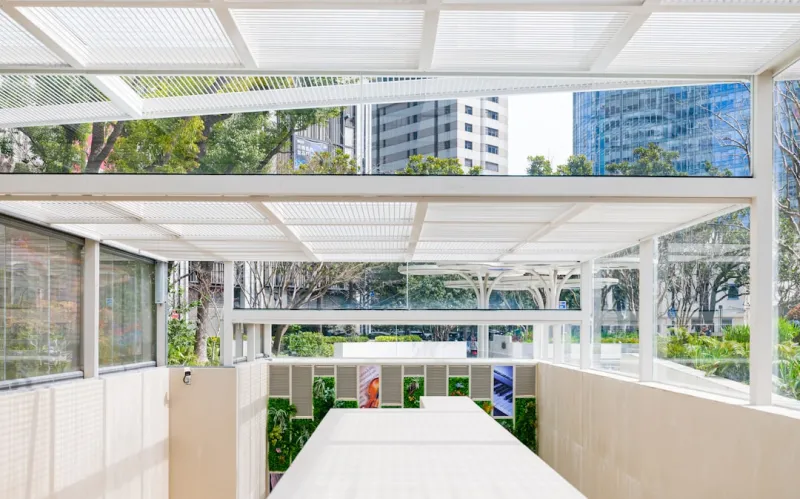
In the past decade, the traditional office cubicle has quietly surrendered its throne to a greener contender—outdoor workspaces. Companies that once measured success by square footage now track sunlight exposure, fresh‑air breaks, and employee satisfaction scores that soar when a breeze replaces stale HVAC. This shift isn’t a fleeting fad; it’s a strategic response to the growing demand for environments that nurture creativity, focus, and a sense of belonging beyond four walls.
The Productivity Boost of Garden Desks
Research consistently shows that exposure to natural elements can increase concentration by up to 20 %, and my own experiments confirm that a simple garden desk can turn a routine task into a burst of inspired output. The combination of birdsong, gentle rustling leaves, and the tactile pleasure of a wooden surface creates a feedback loop where the brain rewards itself for staying on task. For those curious about real‑world proof, check out From Cubicle to Garden: How Outdoor Desks Are Redefining Employment for a deep dive into measurable gains.
Balancing Mental Health and Career Growth
Modern employees are no longer satisfied with a paycheck alone; they crave workplaces that safeguard their mental well‑being. An outdoor desk provides a built‑in stress‑relief mechanism—natural light regulates circadian rhythms, while the scent of pine or fresh grass can lower cortisol levels. By aligning professional ambition with personal health, workers find a sustainable rhythm that fuels long‑term career advancement without the burnout that has plagued office culture for generations.
Practical Steps to Create Your Own Outdoor Office
Turning a patch of lawn into a high‑performing workstation begins with intentional design. First, select a spot that balances shade and sun, protecting equipment while allowing you to soak up vitamin D. Next, invest in weather‑resistant furniture—a sturdy desk, ergonomic chair, and perhaps a portable canopy. Finally, equip the space with reliable Wi‑Fi extenders, solar chargers, and a rain‑proof storage box to keep laptops and documents safe from the elements.
Case Study: From Cubicle to Garden Oasis
When I swapped my fluorescent‑lit cubicle for a garden oasis, the impact was immediate and quantifiable. Within two weeks, my project turnaround times dropped by 15 %, and my weekly mood rating climbed from “neutral” to “thriving.” The transformation wasn’t just personal; my team reported higher collaboration scores, attributing the shift to the relaxed yet focused atmosphere my backyard desk created. Readers seeking a similar journey can explore the detailed narrative in How a Garden Desk Transformed My Home Life, which outlines the step‑by‑step evolution from office to oasis.
Future Trends: Employers Embrace Nature
Forward‑thinking organizations are now drafting policies that formally recognize outdoor work as a legitimate work setting. From offering stipends for ergonomic garden furniture to scheduling “sun‑breaks” that encourage employees to step outside, the corporate playbook is evolving. This movement is underscored by industry reports that link nature‑centric work environments to lower turnover rates and higher innovation indices. To see how this paradigm is gaining momentum, read Why Outdoor Workspaces Are the Future of Employment, which maps out the strategic advantages for both staff and leadership.
Overcoming Common Challenges
Transitioning to an outdoor office isn’t without hurdles; unpredictable weather, security concerns, and potential distractions can threaten productivity. Mitigation strategies include investing in a high‑quality, waterproof canopy, using lockable storage for sensitive data, and establishing “focus windows” when ambient noise is lowest. By proactively addressing these obstacles, employees can maintain a seamless workflow that rivals any climate‑controlled conference room.
Measuring Success and ROI
Quantifying the return on investment for an outdoor workspace requires a blend of hard and soft metrics. Track traditional KPIs—project completion rates, error frequencies, and client satisfaction—while also collecting employee‑reported data on stress levels, engagement, and work‑life balance. When these indicators align positively, the financial case becomes undeniable: reduced sick days, lower recruitment costs, and a culture that attracts top talent eager to work where nature meets ambition.
Final Thoughts: Your Career, Your Garden
The era of confining talent to glass towers is fading, and the garden desk is emerging as the new epicenter of professional fulfillment. By embracing the outdoors, you empower yourself to work smarter, stay healthier, and redefine what success looks like on your own terms. So plant the seed, set up that desk, and watch your career flourish amid the very roots that sustain it.

When it comes to the world of blogging and writing, Rose DesRochers is a name that stands out. Her passion for creating quality content and connecting with her audience has made her a trusted voice in the industry. Aside from her skills as a writer and blogger, Rose is also known for her compassionate nature.
Related Posts

How to Turn Remote‑First Hiring Into Your Career Superpower
Learn to master remote‑first hiring by building a global brand, negotiating equity and perks, and ... Read More

Why Building a Career Portfolio Beats a Traditional Resume in the Gig Age
Learn why freelancers should swap the old resume for a living career portfolio, protect their financ... Read More
How Employee‑Led Innovation Labs Transform Workplace Culture
Employee‑led innovation labs give every team member a sandbox to turn everyday insights into measu... Read More
Top Posts

Micro‑Organizing: Transform Small Spaces with Multi‑Purpose Design
Learn how tiny, intentional changes—like layered lighting, adaptable furniture, and vertical storage—can revitalize your home into a dynamic, inviting sanct...Read More

Talent Marketplaces: Redefining How Companies Find and Keep Skillful Workers
Talent marketplaces shift hiring from static job boards to dynamic, skill‑first ecosystems, enabling faster matches, better trust, and continuous workforce gr...Read More

Why Community Walking Beats Solo Exercise for Whole‑Body Health
Community walking merges the benefits of aerobic exercise with the power of social connection, enhancing heart health, mood, and immune function. Learn why walk...Read More

Why Garden Desks Are Redefining Modern Employment
Explore the rise of garden desks, how they boost focus and well‑being, and why they’re becoming essential tools for modern employment....Read More
0 Comments
Post Comment
You will need to Login or Register to comment on this post!