
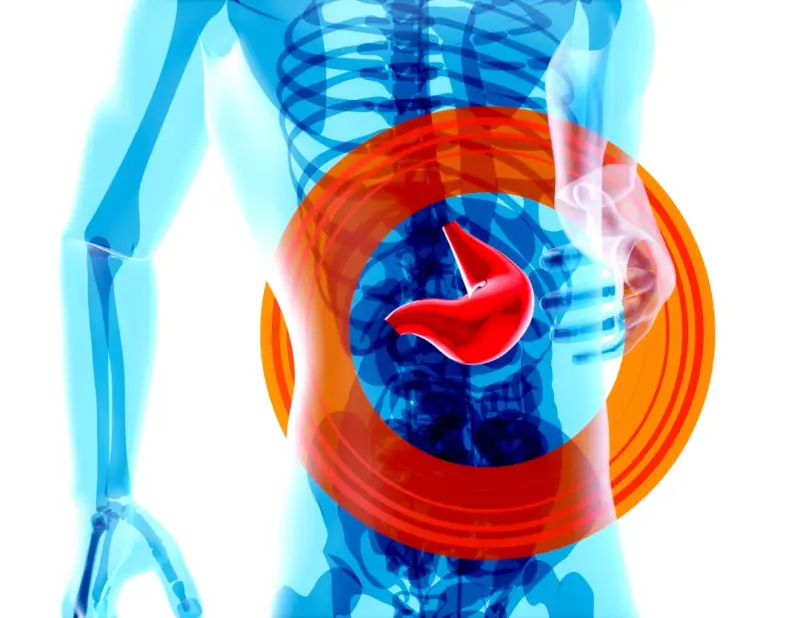
Why Your Gut Is the Hidden Engine of Professional Success
When I first stepped into the world of corporate consulting, I thought the biggest challenge would be mastering spreadsheets and presentations. I quickly learned that the real bottleneck was far more personal: my own energy levels, focus, and mood swings. After countless experiments with caffeine, energy drinks, and quick‑fix diets, I discovered the single factor that consistently tipped the scale—my gut.
The Gut‑Brain Axis: More Than a Buzzword
Scientists now agree that the gut and the brain communicate through a complex network of nerves, hormones, and immune signals. This gut‑brain axis means that what lives in your intestines can influence your cognition, emotional resilience, and even your ability to handle stress. In practical terms, a balanced microbiome translates to clearer thinking, steadier emotions, and sustained stamina throughout the day.
Common Pitfalls for the Desk‑Bound Professional
Even the most health‑conscious professionals fall into patterns that sabotage their gut health:
- Irregular eating windows. Skipping breakfast or late‑night snacking throws off the natural rhythm of digestive enzymes.
- High‑stress meals. Rushed take‑outs loaded with refined carbs and processed fats feed inflammation‑promoting bacteria.
- Dehydration. Water is the medium for nutrient transport; insufficient intake impairs digestion and microbial diversity.
- Lack of fiber. Fiber‑rich foods are the primary fuel for beneficial bacteria, yet they’re often the first to be sacrificed for convenience.
Strategic Gut‑Health Hacks for the Busy Professional
1. Time Your Meals Like a Pro
Just as I schedule meetings, I schedule my meals. Consistency signals to the gut microbiome that it can anticipate nutrient influx, optimizing digestion and microbial metabolism. Aim for a window of 10‑12 hours between your first and last meal—often referred to as an eating window. This approach, sometimes called time‑restricted eating, not only supports gut rhythm but also aligns with the body's circadian clock, enhancing sleep quality and daytime alertness.
2. Hydration Timing Is a Game‑Changer
When you sip water matters. I’ve found that drinking a glass of water 15 minutes before each meal kickstarts gastric secretions, making nutrient absorption more efficient. Conversely, gulping large amounts during meals can dilute stomach acid, hampering digestion. For a quick reference on how timing hydration can boost brain performance, check out Sip Smart: How Hydration Timing Supercharges Your Brain at Work. Keep a reusable bottle on your desk and set gentle reminders to sip strategically throughout the day.
3. Prioritize Fermented Foods
Fermented foods such as kimchi, sauerkraut, kefir, and miso introduce live cultures directly into your gut. Aim for at least one serving per day. If you’re short on time, a quick spoonful of plain kefir or a handful of probiotic‑rich nuts can be a convenient alternative.
4. Fiber First, Sugar Last
Fiber acts like a prebiotic, feeding the good bacteria. Include a source of soluble fiber—oats, chia seeds, or legumes—in every meal. Pairing fiber with a modest amount of healthy fat (avocado, olive oil, nuts) slows glucose absorption, preventing the post‑lunch energy crash that many professionals experience.
5. Move Your Gut With Light Activity
While we’ve all heard about Micro‑Movement Mastery, the specific goal here is to stimulate peristalsis—the wave‑like muscle contractions that move food through the digestive tract. A short, brisk walk after lunch, a set of calf raises, or even standing on a balance board for five minutes can dramatically improve bowel regularity and nutrient absorption.
6. Manage Stress With Targeted Breathing
Stress spikes cortisol, which in turn can alter gut permeability—often called “leaky gut.” Simple diaphragmatic breathing for two minutes before a stressful call or meeting can reduce cortisol spikes. Inhale through the nose for four counts, hold for four, exhale through the mouth for six. Repeat.
7. Leverage Technology for Personalized Insight
There’s a growing ecosystem of gut‑monitoring devices and apps that analyze stool consistency, frequency, and even microbiome composition through at‑home test kits. While not a substitute for professional medical advice, these tools can highlight patterns you might otherwise miss, guiding adjustments in diet or supplementation.
8. Consider Targeted Supplementation
When diet alone falls short, strategic supplementation can fill gaps. A high‑quality, multi‑strain probiotic taken with breakfast, a prebiotic fiber supplement (like inulin) mid‑day, and a short‑chain fatty acid booster (such as butyrate) in the evening can collectively nurture a resilient microbiome. Always consult a healthcare professional before starting any new supplement regimen.
Integrating Gut Health Into the Corporate Culture
Individual habits matter, but the environment can amplify—or undermine—efforts. Here are ways to champion gut‑friendly practices at the organizational level:
- Flexible Meal Policies. Encourage staggered lunch times and provide quiet spaces for mindful eating, reducing rushed meals.
- Hydration Stations. Install filtered water dispensers on each floor and supply reusable bottles as part of onboarding kits.
- On‑Site Fermented Food Workshops. Partner with nutritionists to teach employees how to make quick kimchi or kefir at home.
- Movement Breaks. Embed short, guided walking breaks after meals into meeting calendars.
- Stress‑Reduction Programs. Offer mindfulness and breathing sessions that specifically address cortisol’s impact on gut health.
Real‑World Impact: A Case Study
At a mid‑size fintech firm I consulted for, we introduced a three‑month “Gut‑Boost Initiative.” The program included:
- Weekly lunch-and‑learn sessions on fermented foods.
- Scheduled 10‑minute post‑lunch walks.
- Hydration reminders synced to the corporate chat platform.
After the pilot, employee self‑reported focus scores rose by 18%, and absenteeism due to digestive complaints dropped by 27%. The HR director reported a noticeable uplift in collaborative energy during afternoon brainstorming sessions—a clear testament to the gut’s influence on mental performance.
Addressing Common Myths
Myth 1: “Probiotics are a one‑size‑fits‑all solution.” In reality, each person’s microbiome is unique. A probiotic that works for a colleague may have little effect—or even cause discomfort—for you.
Myth 2: “If I feel fine, my gut must be healthy.” Subclinical inflammation can silently erode cognitive function and mood stability. Regular check‑ins, such as tracking bowel regularity and occasional lab tests, provide a clearer picture.
Myth 3: “Gut health is only about diet.” Stress, sleep, movement, and even environmental toxins play crucial roles in shaping the microbiome.
Putting It All Together: A Sample Day
Here’s a realistic schedule that merges the hacks above without sacrificing productivity:
- 7:00 am – Hydration Start: One glass of water with a squeeze of lemon.
- 7:30 am – Fiber‑Rich Breakfast: Overnight oats with chia seeds, berries, and a spoonful of kefir.
- 9:30 am – Mid‑Morning Sip: Another glass of water, mindful breathing for two minutes.
- 12:00 pm – Lunch: Quinoa bowl with mixed vegetables, chickpeas, and a side of kimchi. Follow with a short walk around the office block.
- 3:00 pm – Light Movement: Five minutes of calf raises and a quick stretch at the standing desk.
- 5:30 pm – Evening Wind‑Down: A cup of herbal tea (ginger or peppermint) and a brief journaling session focusing on gratitude, which helps lower evening cortisol.
Final Thoughts: Your Gut as a Competitive Edge
In a world where marginal gains are celebrated, nurturing your gut microbiome can be the differentiator that propels you from competent to exceptional. It’s not about overhauling your life overnight; it’s about making intentional, evidence‑based tweaks that accumulate into sustained performance.
Remember, the gut is a living ecosystem that thrives on consistency, diversity, and care. Treat it as you would any high‑value asset—regularly monitor, fine‑tune, and protect it. Your brain, mood, and overall productivity will thank you.
If you’re ready to dive deeper, explore how smart skincare integrates with overall wellness, and consider pairing gut health strategies with skin health routines for a holistic approach to professional vitality.

Mei Chen is a dynamic professional who brings a unique blend of skills to Blogging Fusion. As a key contributor to the Blogging Fusion platform, she leverages her writing expertise to create engaging content that resonates with our audience.
Related Posts

Biofeedback Wearables: Your Real‑Time Stress Coach
Learn how to use biofeedback wearables as a real‑time stress coach, interpreting heart‑rate vari... Read More

The Power of Narrative Breathing: Turning Everyday Moments into Health Boosters
A fresh take on health: learn a simple three‑step breathing framework that blends rhythm, storytel... Read More

Cold Exposure: A Simple Strategy for Peak Professional Performance
Cold exposure isn’t a fad; it’s a science‑backed practice that can sharpen focus, increase met... Read More
Top Posts

When the Road Takes the Lead: Harnessing Unplanned Detours for Deeper Travel Experiences
Discover why leaving room for the unexpected can make your journeys more enriching, with real stories, safety tips, and tools to turn random detours into lastin...Read More

Seasonal Porch Makeovers: Refresh Your Home’s First Impression
Learn how to revitalize your front porch with seasonal décor swaps, sustainable textures, smart lighting, and easy storage solutions for a fresh, welcoming loo...Read More

Creating a Moonlit Garden: Light, Plants, and Night‑Time Magic
Discover the art of designing a moonlit garden that glows after dark, using silvery foliage, soft lighting, and nocturnal pollinator-friendly plants for a tranq...Read More

Zero‑Waste Personal Care: Transform Your Bathroom into a Sustainable Sanctuary
Discover a step‑by‑step blueprint for turning your bathroom into a zero‑waste sanctuary, featuring refillable systems, multi‑purpose products, and habit...Read More
0 Comments
Post Comment
You will need to Login or Register to comment on this post!