
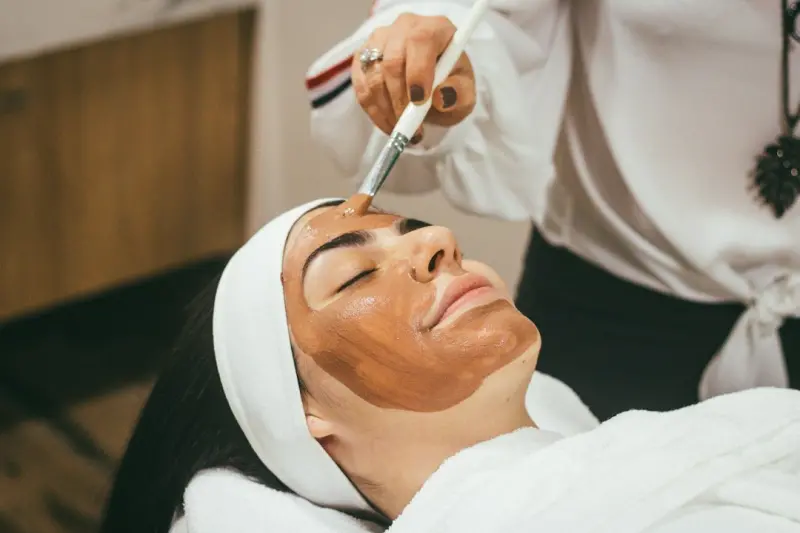
Why Smart Skincare Is the Next Frontier in Personal Care
When I first walked into a conference room with a skin‑monitoring wristband flashing real‑time hydration levels, I thought I’d stumbled onto a sci‑fi gimmick. Yet, as the data lit up my phone and showed how my skin reacted to a 30‑minute Zoom call, the room’s air quality, and even my morning caffeine, I realized I was witnessing the birth of a new personal care paradigm.
Personal care has always been about feeling good in your own skin—literally. From the classic “cleanser‑moisturizer‑sunscreen” trio to the recent wave of “hand‑spa routines” (yes, I’m looking at you, desk‑side hand care), the market is saturated with products promising instant gratification. But what if we could move beyond surface‑level solutions and start predicting our skin’s needs before the first puff of irritation appears?
The Data Behind the Glow
Smart skincare leverages three main data streams:
- Environmental Sensors: Devices that capture humidity, temperature, UV index, and pollutant levels. By feeding this data into a skin‑care app, you can receive real‑time recommendations—like swapping a light moisturizer for a richer barrier cream before a dry office afternoon.
- Biometric Feedback: Wearables that monitor skin conductance, hydration, and even oil production. Some use near‑infrared light to assess dermal water content, providing a percentage rather than a vague “feels dry” feeling.
- Behavioral Insights: Integration with calendars, hydration timing alerts, and activity trackers to understand when you’re most likely to skip a routine (e.g., after a back‑to‑back meeting sprint).
When you combine these streams, the resulting algorithm can suggest: “Apply a light, antioxidant serum now; reapply SPF in two hours; avoid heavy oil‑based moisturizers after your 3 p.m. coffee.” The power isn’t just in the suggestion—it’s in the personalization that accounts for your unique skin biology and daily rhythm.
From Reactive to Proactive: A Daily Workflow
Let’s walk through a typical workday for a busy professional who’s adopted smart skincare:
- Morning Wake‑Up (6:30 am) – Your smart mirror reads ambient humidity (45 %) and your skin’s basal hydration (62 %). It nudges you to start with a hyaluronic acid serum to lock in moisture before the day’s heating system drops the office humidity to 30 %.
- Mid‑Morning Check‑In (9:45 am) – A subtle vibration from your wristband reminds you to sip water, aligning with the hydration timing principle: a glass every 45 minutes keeps both brain and skin hydrated.
- Pre‑Lunch Power‑Move (12:00 pm) – You’ve just finished a micro‑movement stretch routine. The device notes increased blood flow, prompting a light antioxidant booster to combat free radicals generated by the movement.
- Afternoon Slump (3:30 pm) – Air quality sensors detect rising VOCs from the office printer. The app suggests a barrier‑strengthening cream to protect against potential irritants, and a quick deep‑breathing exercise to reduce stress‑related cortisol spikes that can trigger breakouts.
- Evening Wind‑Down (7:00 pm) – After a long day, your skin’s oil production spikes. The system recommends a gentle, oil‑control cleanser followed by a peptide‑rich night serum to support skin repair while you sleep.
This workflow illustrates how technology can turn personal care from a reactive habit into a proactive strategy that aligns with your professional cadence.
Choosing the Right Tools: What to Look For
With a flood of gadgets on the market, here are the criteria I use when vetting a smart skincare solution:
- Accuracy of Sensors – Look for FDA‑cleared or clinically validated measurements. A device that claims to read sebum levels but lacks peer‑reviewed data may do more harm than good.
- Data Privacy – Your skin is personal. Opt for platforms that encrypt data end‑to‑end and give you control over who sees your information.
- Integration Capability – The best tools talk to each other. A wearable that syncs with your calendar, smart mirror, and health app creates a holistic picture.
- User Experience – If you need a PhD to interpret a chart, you’ll abandon it. Look for clear, actionable insights (e.g., “Apply product X now”) rather than raw numbers.
- Sustainability – Many devices are built with plastic casings that end up in landfills. Brands that offer recycling programs or biodegradable components earn extra points.
Building a Tech‑Enhanced Routine Without Overcomplicating
It’s easy to feel overwhelmed by the “Internet of Things” buzz. Here’s a stripped‑down, three‑step approach to integrate smart skincare without turning your bathroom into a control room:
- Start with a Single Sensor – Choose one device that addresses your most pressing skin concern. If you battle dryness, a hydration‑monitoring wristband is a good entry point.
- Link to a Trusted App – Many devices come with native apps, but third‑party platforms like SkinVision or MySkinPal often aggregate data better. Ensure the app can push reminders to your phone or smartwatch.
- Set One Actionable Rule – For example, “If hydration drops below 55 %, apply a mist.” This creates a habit loop that’s easy to remember and hard to ignore.
Once you’re comfortable, you can layer additional sensors—like an air‑quality monitor for office spaces or a smart mirror that tracks skin texture over time.
The Role of AI: From Recommendations to Predictive Care
Artificial intelligence is the engine behind the predictive capabilities of modern skincare platforms. By analyzing thousands of data points—from your sleep patterns to regional pollen counts—AI can forecast skin flare‑ups weeks in advance. Imagine receiving a notification that says, “Your skin will be more reactive this Thursday due to higher UV levels; consider adding a vitamin C serum on Tuesday.”
This forward‑looking approach mirrors how reverse mentorship flips the traditional advice model: instead of you learning from experts, your own data becomes the mentor, guiding you toward optimal care.
Real‑World Success Stories
Several forward‑thinking companies have piloted smart skincare programs for their employees. At a leading fintech firm, a pilot program equipped 150 staff members with hydration‑tracking wristbands. After three months, the organization reported:
- 15 % reduction in reported skin irritation complaints.
- Increased employee satisfaction scores related to “well‑being resources.”
- Higher average focus scores during afternoon meetings, attributed to better hydration and reduced discomfort.
These metrics underscore that personal care isn’t just a vanity project—it directly influences productivity and morale.
Potential Pitfalls and How to Avoid Them
No technology is a silver bullet. Here are common missteps and strategies to sidestep them:
- Data Overload – Too many notifications can cause “alert fatigue.” Set a daily limit for push alerts and rely on a weekly summary for deeper insights.
- Over‑Reliance on Devices – Remember that devices complement, not replace, professional advice. If you notice persistent issues, consult a dermatologist.
- Neglecting Fundamentals – No amount of data can fix a poor diet or lack of sleep. Keep the basics—balanced nutrition, adequate rest, and stress management—front and center.
- Privacy Missteps – Regularly audit app permissions and delete unused data sets. Opt out of data sharing for marketing purposes.
Future Trends to Watch
The smart skincare landscape is still in its infancy. Here are three trends I’m watching closely:
- Closed‑Loop Systems – Devices that not only analyze skin but also dispense personalized serums or moisturizers on demand.
- Micro‑Biome Mapping – Sensors that detect the composition of your skin’s microbiome, allowing for probiotic‑infused formulations tailored to your flora.
- AR‑Enabled Skin Coaching – Augmented reality mirrors that overlay product placement instructions, ensuring even application and optimal coverage.
When these innovations mature, the line between “personal care” and “personal tech” will blur, creating a seamless ecosystem that supports both health and performance.
Putting It All Together: A Sample 7‑Day Smart Skincare Plan
Below is a concise, tech‑enabled routine you can adapt. Feel free to swap products or devices based on your preferences.
| Day | Morning | Midday | Evening |
|---|---|---|---|
| 1 | Hydration sensor reads 60 % → Apply hyaluronic serum. | Air‑quality alert: high VOCs → Use barrier cream. | Night serum with peptides. |
| 2 | UV index 7 → Apply SPF 30. | Water intake reminder (glass of water). | Gentle cleanser + retinol (if no irritation). |
| 3 | Skin oil level high → Light gel moisturizer. | Micro‑movement stretch → Antioxidant booster. | Overnight mask with niacinamide. |
| 4 | Sleep quality low (tracked by wearables) → Add soothing lavender mist. | Mid‑afternoon dryness → Mist + sip water. | Repair serum with ceramides. |
| 5 | Cold office temperature → Rich barrier cream. | Stress check (HRV dip) → Brief breathing exercise. | Light cleanser + collagen peptide serum. |
| 6 | High humidity outdoors → Oil‑control gel. | Pollution alert → Antioxidant spray. | Night cream with hyaluronic acid. |
| 7 | Rest day – no data prompts, just enjoy a DIY mask. | Check weekly summary & adjust rules. | Reflect on skin trends, plan next week. |
Even a simple, data‑driven schedule can create measurable improvements. The key is consistency and willingness to iterate based on what the numbers tell you.
Conclusion: Embrace the Smart in Personal Care
We’re at a crossroads where personal care meets personal data. By embracing smart skincare, you’re not just applying a cream—you’re entering a feedback loop that informs your daily decisions, reduces guesswork, and ultimately boosts both confidence and performance. The future isn’t about more products; it’s about smarter, more intentional ones.
If you’re curious, start small. Grab a hydration‑tracking band, sync it to an app, and set a single actionable rule. In a few weeks, you’ll notice the difference—a smoother complexion, fewer mid‑day skin distractions, and a newfound sense of control over a facet of your health that often goes unnoticed.
Welcome to the era where your skin talks back, and you finally have a good conversation.

Tyler Johnson is a seasoned freelance writer with a keen eye for detail and a passion for crafting compelling narratives. His years of experience have honed his ability to adapt his style to suit diverse client needs and project requirements.
Related Posts

Crafting a Personalized Sensory Routine: The Small‑Scale Secrets to Everyday Wellness
Learn to weave micro‑periods, scent layers, and texture into your daily routine, turning ordinary ... Read More

Sensory Rituals & Sustainable Choices: A New Personal Care Era
Discover a fresh approach to personal care that blends tactile, scent, and light cues with sustainab... Read More
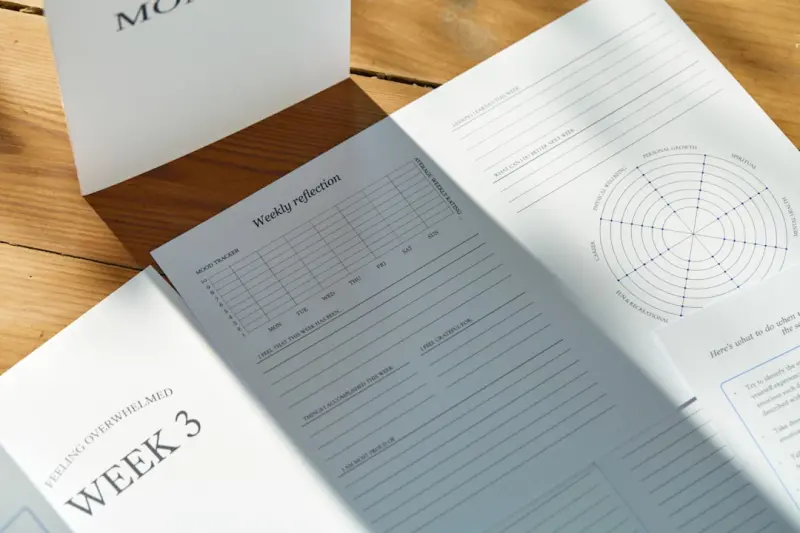
The Personal Care Playbook: Turning Body Optimization into a Business Advantage
A tactical guide that reframes personal care as a performance system, offering science‑backed habi... Read More
Top Posts

Time‑Banking: Turning Flex Hours into a Strategic Employment Advantage
Discover why time‑banking—a system where employees earn and spend flex hours—could become the next big shift in employment, aligning personal well‑being...Read More

Continuous Onboarding: Turning Day‑One Into a Year‑Long Experience
Traditional onboarding ends too quickly, leaving new hires disengaged. This post outlines a continuous onboarding framework—purpose, community, skill developm...Read More
Mapping Your Mind: Building a Personal Mental‑Health Dashboard
A step‑by‑step guide to building a personal mental‑health dashboard, turning everyday signals into actionable insights that improve focus, reduce stress, ...Read More

Listening to the Land: How Sound Shapes Unforgettable Journeys
Explore a fresh travel approach by letting local sounds guide your path, revealing hidden spots, authentic experiences, and deeper connections with each destina...Read More
0 Comments
Post Comment
You will need to Login or Register to comment on this post!