

Why Grounding Is the Missing Piece in Modern Wellness
When we talk about health these days, the conversation often orbits around diet, sleep, and exercise. Yet there’s a subtle, ancient practice that’s slipping through the cracks of our tech‑saturated lives: grounding, also known as earthing. In its purest form, grounding means making direct physical contact with the Earth—walking barefoot on grass, sand, or even a concrete slab that’s not insulated by rubber. The premise is simple: the Earth carries a gentle, negative‑charge electron reservoir that can neutralize free radicals in our bodies, reduce inflammation, and improve overall physiological balance.
The Science That Backs Up Barefoot Steps
Researchers have been investigating grounding for the past two decades, and the findings are compelling. A series of small‑scale studies have demonstrated that participants who spent just 30 minutes each day walking barefoot experienced measurable drops in cortisol (the stress hormone), improvements in heart‑rate variability, and faster wound healing. The mechanism hinges on the fact that our bodies are constantly bombarded by positive electrons from sources like Wi‑Fi, cellular towers, and even synthetic clothing. By reconnecting with the Earth’s negative charge, we essentially “reset” our bioelectrical environment.
One particularly revealing experiment involved two groups of athletes: the grounded group slept on a conductive sheet that allowed electrons to flow from the Earth, while the control group used a standard mattress. After a week, the grounded athletes reported reduced muscle soreness, lower perceived fatigue, and even a modest increase in peak power output during sprint tests. This suggests that grounding isn’t just a feel‑good anecdote; it has tangible performance implications for anyone looking to optimize health.
How Grounding Impacts Core Health Systems
Grounding’s influence stretches across multiple bodily systems:
- Inflammation Reduction: By neutralizing free radicals, grounding can blunt the inflammatory cascade that underlies chronic conditions like arthritis, cardiovascular disease, and even certain skin disorders.
- Improved Sleep: A grounded night often translates to deeper, more restorative sleep cycles. The subtle shift in our electrical field appears to sync with melatonin production, helping the body transition smoothly into REM stages.
- Stress Regulation: The immediate calming effect of touching the Earth can lower sympathetic nervous system activity, which in turn reduces heart rate and blood pressure.
- Immune Support: Grounding has been linked to increased white‑blood‑cell activity, suggesting a bolstered immune response to pathogens.
These outcomes dovetail nicely with the growing body of research on the gut microbiome. A healthier gut is often a downstream effect of reduced systemic inflammation, so grounding can be viewed as a complementary strategy that supports digestive health from the outside in.
Integrating Grounding Into a Busy Lifestyle
Most of us don’t have the luxury of strolling barefoot through a forest for hours each day, but grounding can be woven into even the most hectic schedule. Here are practical ways to get your daily dose:
- Morning Barefoot Routine: Start your day by stepping onto a natural surface for five minutes—whether it’s a patch of lawn, a beach, or even a concrete patio. The key is direct skin contact, so ditch the socks.
- Office Earthing Mats: If you work at a desk, consider an earthing mat that plugs into a grounded outlet. These mats mimic the Earth’s electrons and can be placed under your feet while you type.
- Grounded Sleep: Invest in a conductive sheet or pillowcase that connects to the Earth’s grounding system. Sleeping on a grounded surface can amplify the overnight healing benefits.
- Outdoor Meetings: Whenever possible, take walking meetings outside. The combination of light physical activity and grounding maximizes circulation and mental clarity.
Even a quick 10‑minute pause on a park bench can be enough to shift your bioelectric field back toward equilibrium.
Grounding Meets Modern Self‑Care Rituals
In the age of high‑performance living, many of us adopt micro‑rituals—short, intentional practices that boost wellbeing. Grounding fits perfectly into this framework. Think of it as a micro‑ritual for high‑performance living that doesn’t require fancy equipment or a subscription. Pair it with a brief meditation or breathing exercise, and you’ve got a potent combo that can recalibrate your nervous system in under ten minutes.
Addressing Common Skepticism
Critics often label grounding as “pseudoscience,” arguing that the Earth’s electrons are too weak to affect the body. However, the human body is an electrical organism; even subtle shifts can cascade into meaningful physiological changes. The research, while still emerging, is consistent: grounding reduces markers like C‑reactive protein (CRP) and interleukin‑6 (IL‑6), both of which are hallmarks of inflammation. Moreover, the practice is low‑risk and low‑cost, making it an attractive adjunct to conventional medical advice.
It’s also worth noting that grounding isn’t a replacement for medical treatment. It should be viewed as a complementary practice—one that can enhance recovery, support mental resilience, and improve overall vitality when combined with a balanced diet, regular exercise, and proper sleep hygiene.
Designing Your Personal Grounding Plan
Creating a grounding routine that sticks requires a bit of intentional planning. Here’s a template you can adapt:
- Goal: Define what you want to achieve—e.g., “Reduce evening stress levels” or “Enhance post‑workout recovery.”
- Frequency: Aim for at least three grounding sessions per week, gradually increasing to daily as it becomes habit.
- Duration: Start with five minutes and work up to 20 minutes per session.
- Environment: Choose a safe, clean surface—grass, beach sand, or a natural stone patio.
- Integration: Pair grounding with other health habits—listen to a calming podcast while you walk, or perform gentle stretching.
Tracking progress can be as simple as noting how you feel after each session. Over time, you may notice patterns—perhaps your sleep improves after a weekend grounding ritual, or your morning workouts feel less stiff after a brief barefoot walk.
Grounding in the Context of a Holistic Health Strategy
When we talk about holistic health, we’re referring to the interconnectedness of mind, body, and environment. Grounding is a bridge that physically connects us to the planet, reminding us that our wellbeing isn’t isolated from the world around us. By incorporating grounding into a broader health strategy—alongside nutrition, movement, sleep, and stress management—we create a synergistic effect that can amplify each individual component.
For instance, a person who practices regular grounding may find that their mindful eating habits improve because they’re more attuned to bodily signals. Similarly, reduced inflammation from grounding can make the body more responsive to exercise, leading to better fitness outcomes.
Final Thoughts: The Grounded Path Forward
The next time you’re tempted to stay glued to your phone on a balcony, consider stepping outside—literally. Feel the grass beneath your feet, the sand between your toes, or the cool concrete under your soles. In those moments, you’re not just taking a walk; you’re tapping into a primal, electrical exchange that has the power to reset your physiology, calm your mind, and fortify your health.
Grounding is a simple, accessible tool that aligns perfectly with the modern pursuit of high performance and wellness. It requires no costly gadgets, no complicated protocols—just a willingness to reconnect with the Earth. As we continue to navigate an increasingly digital world, let’s not forget the grounding power that lies just outside our doors.

Tyler Johnson is a seasoned freelance writer with a keen eye for detail and a passion for crafting compelling narratives. His years of experience have honed his ability to adapt his style to suit diverse client needs and project requirements.
Related Posts

Breathing Into the Future: Simple Breathwork to Beat Digital Overload
In this post, Jimmy Damon shares practical breathwork techniques that calm the nervous system, enhan... Read More

The Surprising Science of Laughter: Your Daily Health Hack
Laughter isn’t just a mood‑lifter; it triggers heart‑healthy cardio, strengthens immunity, and... Read More

Forest Bathing: Unlocking Immune Strength and Calm in a Fast‑Paced World
Forest bathing, a mindful immersion in nature, offers measurable immune benefits and stress reductio... Read More
Top Posts

Mapping Memories: The New Hybrid Approach to Travel Journaling
Explore a fresh travel practice that combines the tactile depth of handwritten journals with AI‑enhanced digital tools, enabling richer memories, better recal...Read More

Why Micro‑Internships Are Redefining Talent Acquisition
Micro‑internships replace traditional, long‑term internships with short, outcome‑focused projects, delivering real performance data, enhancing diversity, ...Read More

Designing a Purpose‑Driven Employee Journey: From First Day to Forever Alumni
A fresh framework turns the employee lifecycle into a purpose‑driven narrative, covering discovery, onboarding, growth, and alumni stages to boost loyalty and...Read More
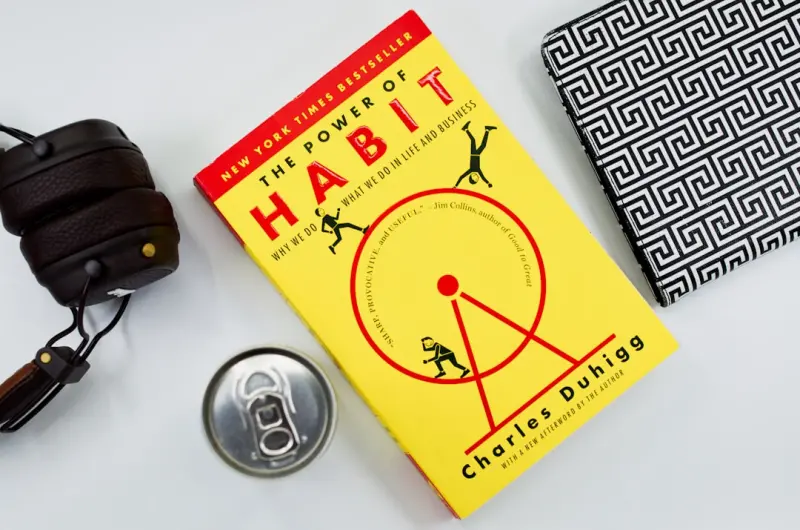
The Curiosity Habit: A Simple Practice for Stronger Mental Resilience
A fresh look at mental wellness reveals curiosity as a powerful, everyday tool. Learn simple habits to rewire your brain, deepen relationships, and build lastin...Read More
0 Comments
Post Comment
You will need to Login or Register to comment on this post!