

Why the Urban Soundscape Needs a Mental‑Health Makeover
Living between honking horns and flashing billboards can feel like an endless audition for a role you never signed up for, yet most of us keep pressing “play.” The relentless city noise hijacks our nervous system, turning ordinary moments into covert stress tests that leave us drained before the day even begins. By learning to listen differently, we can transform that same cacophony into a subtle soundtrack for calm, turning the streets outside our windows into allies rather than antagonists.
Re‑calibrating Your Senses: The First Step Toward Grounded Calm
Our senses are wired for survival, but in modern metropolises they are bombarded with stimuli that never signal danger, only distraction. When we deliberately focus on a single sense—like feeling the texture of a pavement underfoot or the scent of rain on concrete—we give our brain a chance to reset its alarm system. This practice, often called sensory grounding, is a quick, portable tool that can be employed in a coffee shop line, a subway car, or while waiting for a traffic light.
Walking Meditation: Turning a Commute into a Mini‑Retreat
Instead of racing from point A to B, try pacing with intention, matching each step to a slow, steady breath. The rhythm of your stride becomes a metronome for your mind, allowing thoughts to glide past without clinging. Even a ten‑minute stroll through a bustling block can lower cortisol levels, and the habit builds a resilient buffer against the daily onslaught of alerts and deadlines.
The Power of Breath: Simple Techniques for Instant Relief
Breathing is the one function we can control at any moment, yet most of us use it as an afterthought. Practice the 4‑7‑8 pattern—inhale for four counts, hold for seven, exhale for eight—to activate the parasympathetic nervous system and dissolve tension. Pair this with a brief pause before checking your phone, and you’ll notice a clearer headspace that resists the pull of endless scrolling.
Crafting a Personal Soundscape for Focus and Calm
Audio environments shape our mood more than we admit; a carefully curated playlist can become a mental sanctuary. Choose ambient tracks with low frequencies for concentration or nature sounds for relaxation, and keep them at a volume that masks traffic without overwhelming your auditory nerves. When the city’s din spikes, your custom soundtrack acts as a gentle curtain, shielding your thoughts and preserving emotional balance.
Micro‑Movement Breaks: Turning Stiffness Into Energy
Our bodies remember the stress we carry, often manifesting as tight shoulders or a clenched jaw. Integrate tiny movement rituals—neck rolls, shoulder shrugs, or a quick desk‑side stretch—every hour to release stored tension. These micro‑breaks signal to your brain that it’s safe to relax, reducing the risk of chronic anxiety that can creep in unnoticed.
When Curiosity Becomes a Tool, Not a Trigger
Instead of fearing anxious thoughts, greet them with a sense of playful inquiry, a technique championed by playful curiosity. Ask yourself, “What is this feeling trying to teach me right now?” and watch the narrative shift from threat to opportunity. This simple reframing reduces the emotional charge and opens space for creative problem‑solving.
Storytelling as a Healing Practice
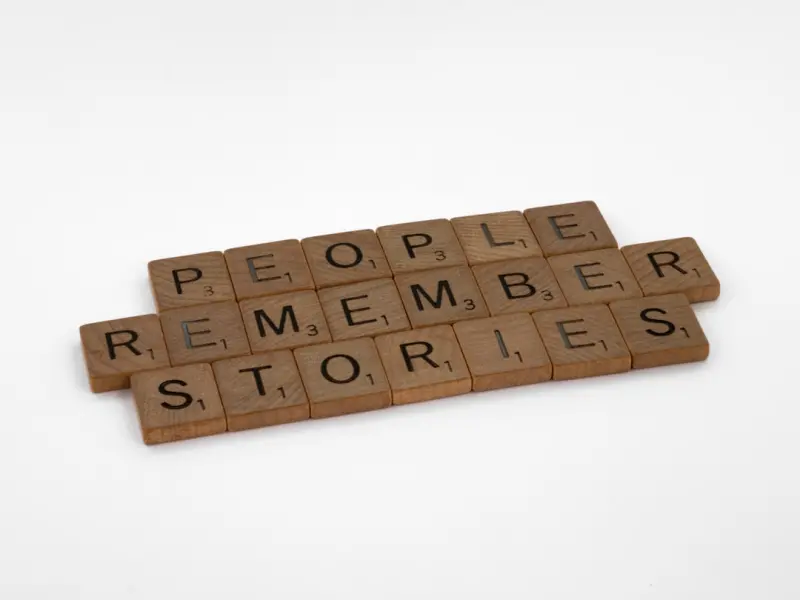
Our inner narrative shapes our reality; when it’s tangled with self‑criticism, we slip into a negative feedback loop. By drafting short, compassionate stories about our daily experiences, we rewrite the script, granting ourselves permission to be imperfect. The technique mirrors the insights from storytelling therapy, empowering us to author a more resilient self‑image.
Integrating Structured Daydreaming for Mental Resilience
Allowing the mind to wander in a purposeful way can boost creativity and emotional stamina. Set aside five minutes after lunch to let thoughts drift toward future possibilities, using the framework described in structured daydreaming. This intentional reverie acts as a mental rehearsal, preparing you for challenges and reinforcing a sense of agency.
Putting It All Together: A Blueprint for Urban Well‑Being
By weaving sensory grounding, breath work, soundscapes, micro‑movement, and playful curiosity into the fabric of everyday city life, you create a personal toolkit that defends against overwhelm. Start small—pick one practice and apply it consistently for a week—then layer on another as the habit solidifies. Over time, the bustling metropolis transforms from a source of stress into a canvas for mindful, resilient living.

Mei Chen is a dynamic professional who brings a unique blend of skills to Blogging Fusion. As a key contributor to the Blogging Fusion platform, she leverages her writing expertise to create engaging content that resonates with our audience.
Related Posts

The Hidden Power of Structured Daydreaming for Mental Resilience
Learn to harness intentional daydreaming as a powerful mental health tool, turning imagination into ... Read More

Curiosity as a Mental Health Superpower: Rewiring Anxiety Through Skill‑Based Learning
Discover how turning curiosity into a daily learning habit activates dopamine, strengthens the prefr... Read More
Storytelling at Work: How Narrative Boosts Mental Resilience
Explore practical narrative practices that turn everyday work tasks into stories, boosting emotional... Read More
Top Posts

Sunlit Sanctuaries: Designing Light‑Rich Spaces Inside and Out
Learn how to map sunlight, choose reflective materials, and integrate smart shading to create bright, inviting interiors and vibrant gardens that enhance wellbe...Read More

Micro‑Movements: Tiny Twitches That Supercharge Your Immune System
Learn the power of tiny, intentional movements that act like a low‑dose vaccine for your immune system, fitting seamlessly into your daily routine....Read More

Beyond the Office: Rethinking Employment in a Distributed World
A deep dive into how remote‑first workplaces are redefining performance metrics, culture, talent acquisition, and technology, offering actionable steps to thr...Read More

Wandering Minds at Work: Turning Daydreams into Mental Muscle
Learn how to harness purposeful mind‑wandering as a mental workout, boosting creativity, problem‑solving, and emotional resilience while fitting seamlessly ...Read More
0 Comments
Post Comment
You will need to Login or Register to comment on this post!