
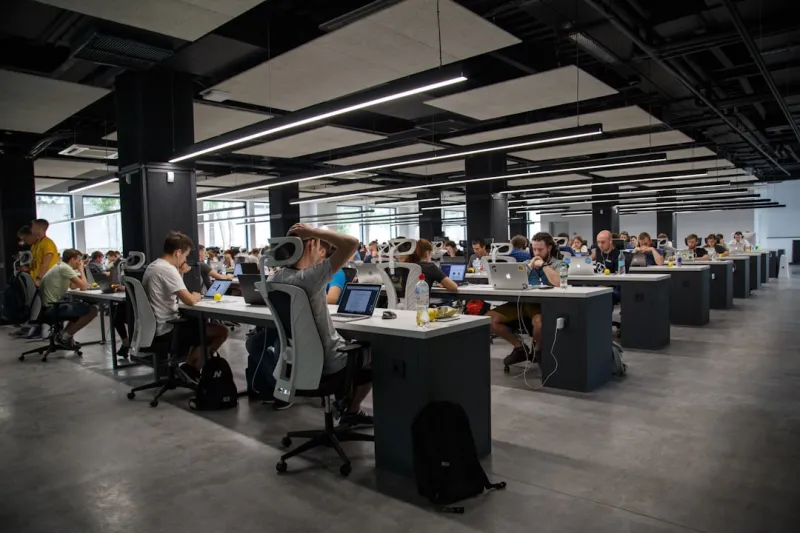
Why Outdoor Workspaces Matter
When I first stepped out of my stale cubicle and set up a modest desk beneath a maple tree, I felt a surge of curiosity that quickly turned into conviction; the scent of fresh earth and the whisper of leaves became the backdrop for ideas that had been stuck in fluorescent glare for years. I realized that the traditional office model—walls, carpet, and constant hum—had been silently draining creativity, and that outdoor workspaces could act as a catalyst for renewed energy, sharper focus, and a more authentic connection to the work we claim to love. In that moment I understood that reshaping employment isn’t just a buzzword—it’s a tangible shift toward environments that nurture the mind, body, and spirit.
Research from forward‑thinking firms shows that employees who spend at least a few hours a week outside report a 20 % boost in productivity and a 30 % reduction in stress, numbers that echo my own experience of completing projects faster while feeling lighter. The science behind sunlight exposure, natural movement, and even the subtle change of air pressure can reset our circadian rhythms, which in turn sharpens decision‑making and improves collaboration across teams. By embracing the outdoors, companies not only invest in their people’s well‑being but also unlock a competitive edge that traditional office spaces simply cannot replicate.
The Garden Desk Revolution
My journey from a cramped workstation to a thriving garden desk was guided by curiosity and a dash of stubbornness, and the transformation was nothing short of magical; the very act of planting a small herb garden beside my laptop turned routine tasks into moments of mindfulness. The Garden Desk Magic article captured this shift perfectly, illustrating how a simple change of scenery can ripple through personal health, family dynamics, and professional output. I found that the gentle rustle of foliage provided a natural white noise that drowned out distracting chatter, allowing deep work to flourish without the usual office interruptions.
Beyond personal anecdotes, the broader narrative is that garden desks are redefining the modern employee experience, turning homes into hybrid hubs where career aspirations and personal well‑being coexist harmoniously. The tactile experience of soil under fingernails, the occasional breeze, and the visual delight of blooming flowers become silent collaborators in the creative process, encouraging innovative thinking that feels less forced and more organic. As more professionals share their stories, the movement gains momentum, proving that the garden desk is not a novelty but a sustainable evolution in workplace design.
Designing Your Outdoor Office
Creating an effective outdoor office starts with intentional design that respects both ergonomics and the environment; I began by selecting a weather‑resistant desk, an adjustable chair, and a portable shade canopy that could be repositioned as the sun moved across the sky. Lighting plays a crucial role, so I invested in solar‑powered LED strips that glow softly after dusk, ensuring continuity for late‑night brainstorming sessions without compromising sustainability. Adding a small power bank and a sturdy Wi‑Fi extender turned the garden into a reliable connectivity hub, bridging the gap between nature and technology.
When it comes to aesthetics, I drew inspiration from the post Cultivating Career Success, which emphasizes the balance between function and serenity; a few potted succulents, a reclaimed wooden pallet for storage, and a portable speaker for ambient sound created a space that felt both professional and inviting. I also incorporated a modest water feature—a tiny fountain that provided gentle background noise, reducing stress and enhancing concentration. By treating the garden desk as a living extension of the office, I crafted an environment that supports focus, creativity, and a sense of calm, all while staying adaptable to seasonal changes.
Overcoming Hurdles
Transitioning to an outdoor workspace isn’t without challenges; unpredictable weather, security concerns, and occasional connectivity hiccups can test even the most enthusiastic adopters. I tackled rain by installing a quick‑release canopy and waterproof storage solutions, ensuring that essential documents and electronics stayed dry without sacrificing the open‑air vibe that fuels inspiration. For security, I opted for lockable storage boxes and a discreet camera system, giving me peace of mind while I’m focused on the task at hand.
Connectivity issues were resolved by partnering with a reliable ISP that offered a dedicated outdoor antenna, a strategy highlighted in the post Why Outdoor Workspaces Are the Next Big Thing for Employees; this upgrade eliminated lag and dropped calls, allowing seamless video conferences even amidst the chirping of birds. Moreover, I set clear boundaries with family members, establishing “focus hours” that signaled when I was in work mode, and created visual cues—like a simple flag on the desk—to indicate availability. By addressing these obstacles proactively, the outdoor office becomes a resilient, high‑performing environment that rivals any traditional setup.
The Future of Employment
Looking ahead, I see outdoor workspaces evolving from an optional perk to a core component of employment strategy, especially as companies prioritize flexibility, employee wellness, and environmental stewardship; the demand for hybrid roles that blend remote autonomy with occasional in‑person collaboration is reshaping how we think about office real estate. Employers who champion garden desks and outdoor hubs signal trust in their teams, fostering a culture where autonomy and accountability coexist, ultimately driving higher retention and job satisfaction.
In my own career, the garden desk has become a symbol of possibility—a reminder that work doesn’t have to be confined to four walls, and that success can be cultivated as naturally as a seedling. As more organizations embrace this paradigm shift, we’ll witness a ripple effect: reduced commuting emissions, revitalized local communities, and a workforce that feels genuinely connected to both their tasks and the world around them. The future of employment is bright, green, and brimming with potential, and it starts with a single step outside the cubicle.

Jimmy Damon loves to right on a large scale of topics with all things Canadian as this Montreal die hard loves hockey. fishing and sports.
Related Posts

Reverse Mentoring: How Younger Employees Can Drive Innovation and Accelerate Their Careers
Explore the power of reverse mentoring—where junior staff guide senior executives—unlocking fres... Read More

Transparent Pay Bands: How Salary Visibility Boosts Trust and Retention
Transparent pay bands give employees a clear compensation framework, building trust, enhancing reten... Read More
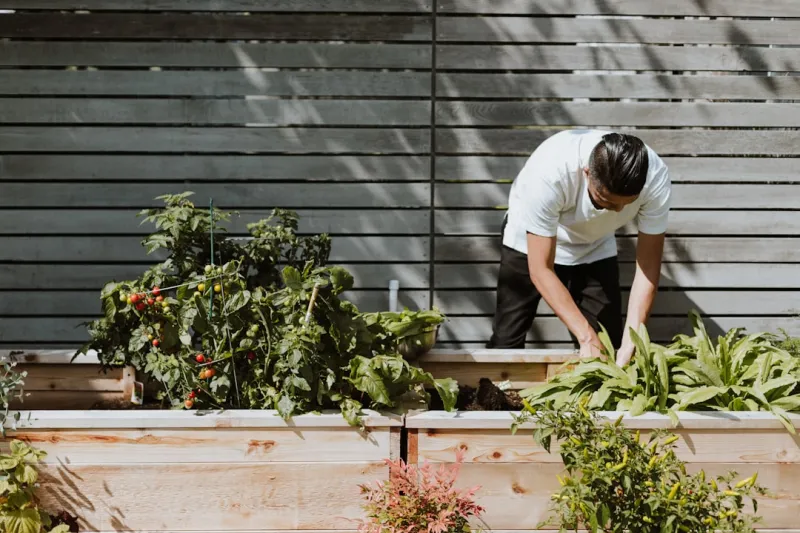
From Cubicle to Garden: My Personal Journey Redefining Employment
I left the office for my backyard and uncovered a powerful new model for work—where nature fuels p... Read More
Top Posts

From My Garden Desk: Jimmy Damon’s Blueprint for the New Era of Employment
Jimmy Damon shows how a garden desk can transform remote work, blending nature with tech for higher productivity, lower stress, and a greener future in employme...Read More

Crafting Calm: How Hand‑Made Activities Rewire Stress
Discover the science behind tactile activities such as knitting, origami, and beadwork, and learn practical ways to integrate these handcrafts into daily routin...Read More
The Wild Prescription: How Forest Bathing Boosts Modern Health
Forest bathing, rooted in Japanese shinrin‑yoku, offers measurable health benefits—from reduced cortisol to enhanced immune function. Learn practical steps,...Read More

Wander‑Wise: Curating a Portable Mind‑Gym for the Modern Nomad
Travel isn’t just about places; it’s about shaping a portable mindset. This post reveals a “mind‑gym” of micro‑reflections, sound anchors, and curio...Read More
0 Comments
Post Comment
You will need to Login or Register to comment on this post!