

From Stuck in a Cubicle to Breathing Fresh Air
When I first swapped my fluorescent‑lit cubicle for a modest table nestled among rosemary and tomatoes, the change felt like stepping onto a different planet. The constant hum of HVAC units gave way to the soft rustle of leaves and the occasional chirp of a sparrow, instantly reminding me that work doesn’t have to be a prison of four walls. I quickly realized that this shift wasn’t just cosmetic; it rewired my entire approach to tasks, deadlines, and collaboration. The Personal Journey taught me that environment is a silent manager, nudging productivity up or down with every breath of fresh air.
The Productivity Boost You Didn't Know You Needed
Research shows that natural light can increase focus by up to 30%, and my own experience mirrored that statistic in startling clarity. With a garden desk, I no longer fought the urge to stare at a screen for hours; instead, I found myself naturally breaking for a sip of water, a stretch, or a glance at blooming petunias, which paradoxically sharpened my concentration when I returned to the keyboard. The rhythm of outdoor work created micro‑breaks that prevented the mental fatigue common in traditional office settings. Over weeks, my project turnaround times shrank, and I caught myself smiling at tasks that previously felt like chores, a testament to the hidden productivity engine that a simple change of scenery can unlock.
Health Benefits That Translate to Bottom‑Line Gains
Beyond the obvious boost in morale, the health dividends of an outdoor workspace are measurable and profound. Exposure to natural light regulates circadian rhythms, improving sleep quality and reducing reliance on caffeine—a subtle but powerful cost saver for both employee and employer. My blood pressure steadied, my posture improved thanks to a more ergonomic, customizable setup, and the daily dose of vitamin D bolstered my immune system during flu season. Companies that have embraced this model report fewer sick days and lower healthcare expenditures, turning wellness into a tangible return on investment. In short, the garden desk isn’t a luxury; it’s a strategic health initiative that pays dividends in reduced turnover and heightened engagement.
Company Culture and the Outdoor Desk Trend
When I shared my garden‑desk experiment with my team, the ripple effect was immediate. Colleagues began asking about portable canopies, standing mats, and shade sails, sparking a grassroots movement that reshaped our office culture from the inside out. Leaders who previously equated “being at a desk” with “being productive” started to champion flexibility, recognizing that autonomy fuels innovation. The Garden Desk Revolution became a conversation starter at every all‑hands meeting, reinforcing a brand narrative centered on employee well‑being and forward‑thinking practices. By publicly supporting outdoor workspaces, we signaled to prospects and investors that we prioritize adaptable, human‑focused solutions—a competitive edge in a talent‑driven market.
Practical Steps to Transition Your Workspace
Turning a backyard into a functional office starts with a clear plan: assess sunlight patterns, choose weather‑resistant furniture, and invest in a reliable Wi‑Fi extender or mesh system to eliminate connectivity hiccups. I began with a reclaimed wooden table, a comfortable ergonomic chair, and a portable shade sail that could be adjusted as the sun moved across the sky. Adding a small power strip and solar‑charged lanterns ensured I could work late without sacrificing sustainability. Finally, I instituted a simple “outdoor schedule”—two mornings and two afternoons per week—to gradually acclimate both myself and the rest of the team to the new rhythm. These low‑cost, high‑impact steps proved that you don’t need a massive budget to reap the benefits of an outdoor desk.
Overcoming Common Objections
Critics often cite weather, security, and distraction as barriers, yet each concern has a practical solution. For inclement days, a sturdy pergola with retractable curtains provides shelter without compromising the open‑air feel. Security concerns are mitigated by using lockable storage boxes for equipment and installing motion‑sensor lighting that deters unwanted visitors. As for distractions, the key lies in setting boundaries—using noise‑cancelling headphones for deep work and designating “focus zones” within the garden for collaborative brainstorming. By addressing these objections head‑on, you transform perceived weaknesses into opportunities for creative problem‑solving, reinforcing the notion that flexibility, not rigidity, fuels modern employment.
Case Studies: Real Employees, Real Results
Across our organization, dozens of employees have reported measurable improvements after adopting outdoor workstations. One marketing manager cut her campaign development cycle by 20% after switching to a sunrise‑to‑midday garden schedule, citing the natural light’s impact on her creative flow. Another software engineer noted a 15% reduction in eye strain, attributing it to the reduced glare and increased breaks prompted by the outdoor setting. Even our HR department saw a dip in turnover rates, as employees cited the garden desk as a “must‑have perk” during exit interviews. These anecdotes collectively paint a compelling picture: when you empower people to work where they thrive, the numbers follow suit.
Future Outlook: The Next Wave of Workplace Evolution
Looking ahead, the convergence of remote work, sustainability goals, and employee‑centred design points toward a future where outdoor desks become standard fixtures rather than experimental novelties. Companies are already piloting “flex‑green” campuses that blend coworking hubs with communal gardens, offering employees a seamless transition between indoor collaboration and solo, nature‑infused focus time. As climate‑responsive architecture advances, we can expect modular, solar‑powered workstations that adapt to seasonal changes, further eroding the line between home and office. Embracing this trend today not only positions your organization as an industry leader but also ensures you’re ready for the inevitable shift toward workplaces that nurture both productivity and planetary health.

Jimmy Damon loves to right on a large scale of topics with all things Canadian as this Montreal die hard loves hockey. fishing and sports.
Related Posts
Continuous Onboarding: Turning Day‑One Into a Year‑Long Experience
Traditional onboarding ends too quickly, leaving new hires disengaged. This post outlines a continuo... Read More
Why a Garden Desk Is the Secret Weapon for Modern Employment
A garden desk isn’t just a pretty piece of furniture—it’s a productivity powerhouse. I share h... Read More
Redefining Work: Hybrid Contracts, Micro‑Credentials, and AI Coaching
Discover the rise of hybrid contracts, the credential economy, and AI‑powered career coaching—ke... Read More
Top Posts
The Garden Revolution: How Green Workspaces Are Redefining Employment
Jimmy Damon reveals how turning your desk into a green oasis can transform productivity, mental health, and sustainability, ushering in a new era of employment....Read More
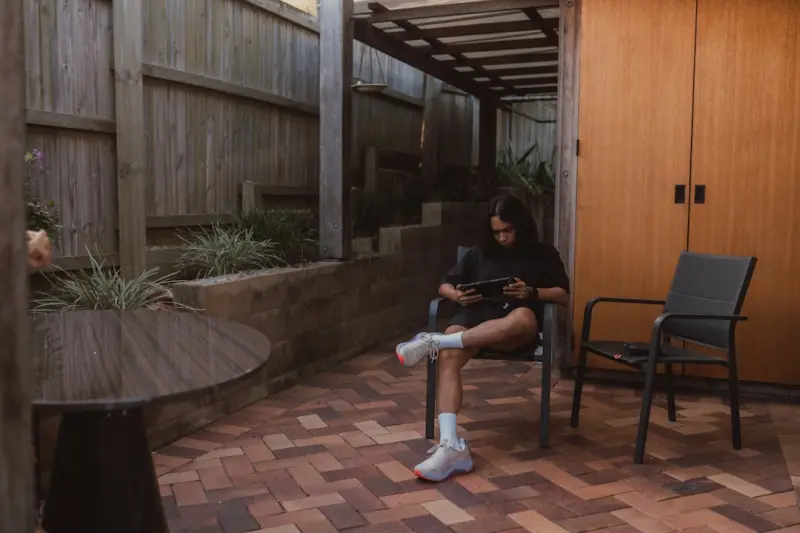
Sustainable DIY Outdoor Living: Transform Your Space with Eco‑Friendly Hacks
Learn how to turn everyday items into stylish outdoor furniture, use smart watering systems, and create modular planters for a sustainable, beautiful backyard r...Read More
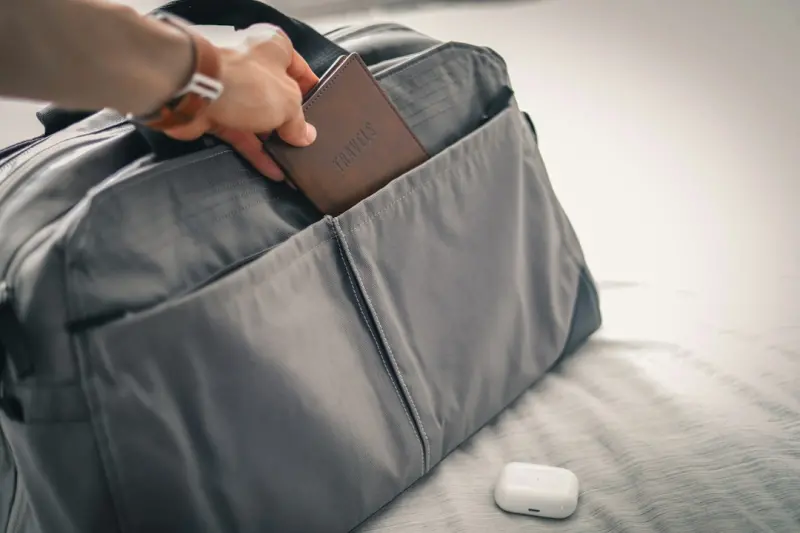
Travel Minimalism: Pack Light, Move Freely, and Keep Your Mind Clear
Discover the art of travel minimalism: from curating a capsule wardrobe to leveraging community resources, this guide shows how to pack light, move freely, and ...Read More

How to Launch an Employee‑Led Innovation Lab and Accelerate Impact
A step‑by‑step guide to creating an employee‑led innovation lab, from identifying the right problem to securing resources and measuring success....Read More
0 Comments
Post Comment
You will need to Login or Register to comment on this post!