
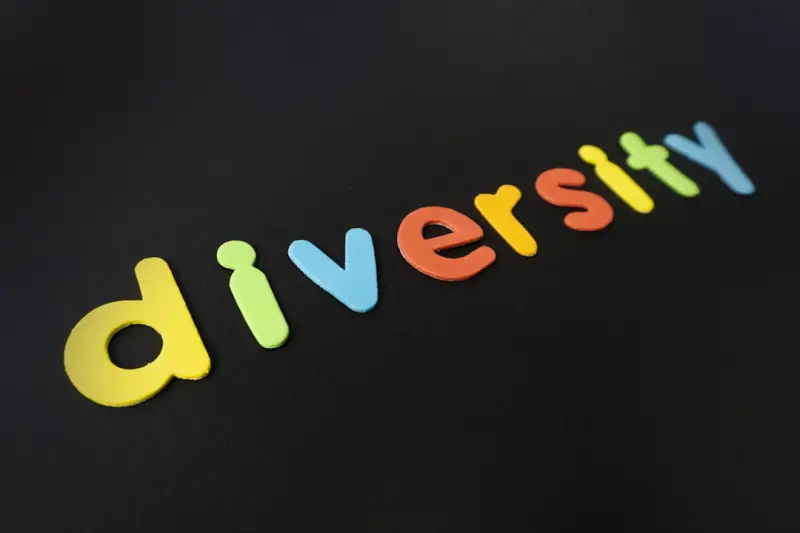
Why Employment Should Be Built for Neurodiverse Talent
When I first stepped into a bustling tech office, the hum of keyboards and the endless stream of meetings felt like an orchestra—except I was the only one without a conductor’s score. It wasn’t that the work was impossible; it was that the environment was designed for a single way of processing information. That realization sparked a personal quest: to reimagine employment not as a one‑size‑fits‑all contract, but as a flexible ecosystem that honors the cognitive diversity of every employee.
The Hidden Cost of Neurotypical Bias
Most hiring pipelines still default to criteria that reward speed, verbal fluency, and “cultural fit” as defined by the majority. This invisible filter discards brilliant problem‑solvers who think in patterns, visual maps, or hyper‑focused detail—qualities that neurodivergent individuals often bring to the table. The cost? Companies lose out on innovative solutions, higher retention rates, and the morale boost that comes from an inclusive culture.
Data from research groups shows that neurodiverse teams outperform neurotypical ones on complex problem‑solving tasks by up to 30 %. Yet the skill marketplace narrative still focuses on external gig platforms rather than unlocking hidden talent within the organization.
Reframing Employment as a Human‑Centered Ecosystem
Employment should be viewed as a living system—much like a garden—where each employee’s unique needs are nurtured. This perspective aligns with the ideas behind the living employment contract, which advocates for adaptive agreements that evolve with the employee’s growth. For neurodiverse talent, adaptability isn’t a perk; it’s a necessity.
- Flexibility in work hours: Allowing asynchronous contributions respects different energy cycles.
- Choice of communication channels: Some thrive on written briefs, others on visual storyboards.
- Task segmentation: Breaking large projects into bite‑size, clearly defined milestones reduces cognitive overload.
Designing Inclusive Job Descriptions
The first touchpoint for any candidate is the job posting. Traditional listings are riddled with jargon that assumes a certain cognitive style. To attract neurodivergent applicants, rewrite with clarity and optionality:
- Replace “must be a self‑starter” with “ability to work independently or with minimal guidance”.
- Swap “fast‑paced environment” for “flexible deadlines and clear priority setting”.
- Provide a “work style preferences” section where candidates can indicate if they prefer visual, auditory, or textual instructions.
These small edits signal that the organization values diverse ways of thinking, encouraging a broader pool of talent to apply.
Onboarding That Honors Cognitive Differences
Standard onboarding checklists assume everyone can absorb a barrage of information in a single day. A neurodivergent‑friendly onboarding process spreads essential knowledge over several touchpoints, incorporates multimodal resources, and pairs new hires with a “cognitive buddy”—a peer who can help translate corporate norms into the individual’s preferred format.
For example, a visual learner might receive a flowchart of the product development lifecycle, while an auditory learner gets a narrated walkthrough. This approach not only reduces early turnover but also accelerates productivity by aligning the onboarding experience with each person’s learning style.
Psychological Safety as the Bedrock of Inclusion
Creating a safe space where employees feel comfortable disclosing their needs is paramount. The psychological safety playbook emphasizes trust, but for neurodiverse talent, safety also means predictable routines and transparent expectations. Leaders can foster this by:
- Establishing a clear protocol for requesting accommodations.
- Normalizing conversations about work preferences in team retrospectives.
- Celebrating diverse problem‑solving approaches during project demos.
When safety is woven into the fabric of daily interactions, neurodivergent employees are empowered to contribute their full creative potential.
Adaptive Contracts That Grow With the Employee
The static employment contract—set in stone for years—fails to accommodate evolving cognitive needs. An adaptive contract, as discussed in the “living employment contract” concept, introduces review checkpoints every six months, where both parties assess workload, communication preferences, and support mechanisms.
These checkpoints create a feedback loop that mirrors agile sprint reviews: they’re short, data‑driven, and focused on continuous improvement. By embedding flexibility into the legal framework, organizations demonstrate a genuine commitment to long‑term inclusion.
Leveraging Internal Skill Marketplaces
Many firms invest in external freelance platforms to tap niche expertise, yet they overlook the wealth of talent already within their walls. An internal skill marketplace can surface neurodivergent employees whose strengths may not align with their current role but are perfect for cross‑functional projects.
Imagine a developer with an exceptional eye for pattern recognition being matched to a UX team working on accessibility. By surfacing these hidden connections, companies not only fill skill gaps faster but also give employees a sense of purpose and visibility.
Real‑World Success Stories
Several forward‑thinking organizations have already begun to reap the benefits of neurodiversity‑focused employment practices:
- TechCo introduced a “Neurodiversity Hub” where employees could self‑select communication preferences. Within a year, project delivery times improved by 15 % and employee engagement scores rose dramatically.
- FinServe revamped its onboarding with multimodal modules and a cognitive buddy program. Turnover among new hires dropped from 18 % to 7 % in the first six months.
- HealthLink instituted adaptive contracts with quarterly review cycles. The initiative uncovered that several analysts thrived when given “focus‑blocks” of uninterrupted time, leading to a 20 % increase in data‑analysis throughput.
Action Steps for Leaders Who Want to Lead the Change
If you’re ready to make neurodiversity a strategic advantage, start with these concrete actions:
- Audit your language: Review all job postings, internal policies, and performance rubrics for neurotypical bias.
- Pilot an adaptive onboarding: Choose a small team, introduce multimodal resources, and gather feedback.
- Implement quarterly contract reviews: Use the living contract framework to discuss workload, communication preferences, and support needs.
- Launch an internal skill marketplace: Leverage existing HR tech to let employees tag their hidden strengths and search for cross‑team opportunities.
- Train managers on psychological safety: Adopt the playbook’s guidelines, emphasizing the importance of predictable routines for neurodivergent staff.
Remember, the goal isn’t to create a separate “neurodivergent track” but to embed flexibility into the core employment experience so that every employee can thrive.
Looking Ahead: A Workforce Where Differences Fuel Innovation
The future of work isn’t about forcing everyone into a single mold; it’s about cultivating a garden where every plant—whether a cactus, a fern, or a flowering vine—has the soil, light, and water it needs to flourish. By treating employment as a living, adaptable system, we unlock the creative fire that neurodiverse talent brings, driving innovation, resilience, and long‑term growth.
As leaders, we have the responsibility—and the opportunity—to design workplaces that honor the full spectrum of human cognition. The payoff is clear: higher retention, richer ideas, and a competitive edge that can’t be replicated by AI alone. Let’s make that vision a reality, one adaptive contract, one inclusive job description, and one supportive conversation at a time.

Shawn DesRochers is a certified Microsoft technician and Programmer with 30+ year's experience. He has written many reviews on computer related products, software, and SEO related topics. When he's not writing reviews he can be found at one of the Oldest Directories Online Blogging Fusion Business Directory which he is the CEO of.
Related Posts

From Fixed Jobs to Adaptive Talent Ecosystems: A New Blueprint for Employment
Employment is shifting from static job titles to adaptive talent ecosystems. Learn how fluid talent ... Read More
Why Reverse Mentoring Is the Secret Weapon for Future‑Ready Companies
Reverse mentoring flips the traditional mentor‑mentee dynamic, letting junior employees guide seni... Read More
Micro‑Internships and Gig Cooperatives: New Paths to Employment Security
Explore the power of short‑term, project‑focused micro‑internships and collaborative gig coope... Read More
Top Posts

Unlocking the Hidden Power of Posture: A Simple Path to Better Digestion, Mood, and Energy
Learn how tiny posture tweaks can transform digestion, uplift mood, and sustain energy—all without costly equipment or complex routines....Read More

AI as the Negotiation Partner: Transforming B2B Deal‑Making with Data‑Driven Insight
A fresh look at AI’s role in B2B negotiations, showing how data‑driven assistants can amplify human skill, improve outcomes, and reshape the future of dealâ...Read More
AI as a Quiet Co‑Pilot for Everyday Decision‑Making
A fresh look at AI as a subtle co‑pilot that nudges decisions, streamlines workflows, and supports personal growth, offering practical steps to embed low‑fr...Read More

Beyond the Bucket List: Crafting Intentional Mini‑Escapes for the Remote Era
Learn to plan and execute intentional mini‑escapes that refresh your mind, spark new ideas, and enhance productivity, turning short trips into a strategic too...Read More
0 Comments
Post Comment
You will need to Login or Register to comment on this post!