
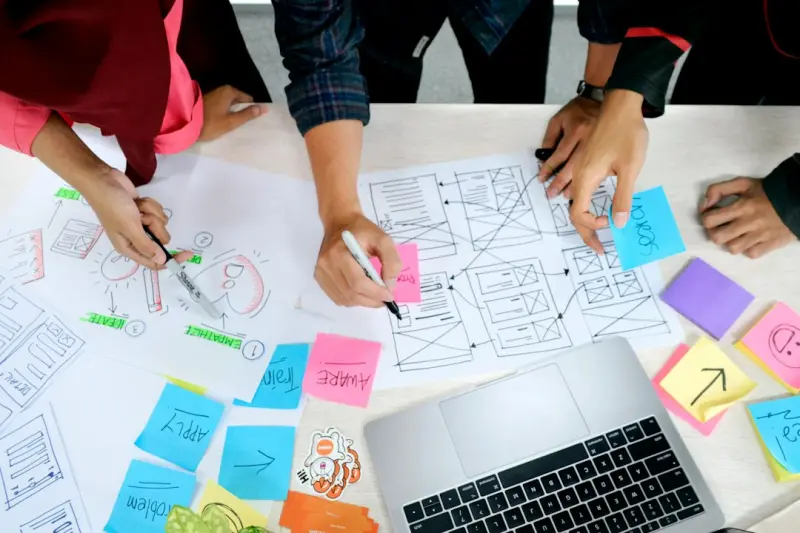
When I first stepped into the corporate world straight out of college, the idea of “employment” felt like a static contract—sign here, work there, get paid. Decades later, the landscape has mutated into a dynamic ecosystem where the relationship between employee and organization is more fluid, strategic, and, frankly, more human than ever before. In this piece I’m pulling back the curtain on the employment experience that truly retains talent in today’s hybrid reality. It’s not about perks or ping‑pong tables; it’s about designing work as an evolving journey that respects ambition, adaptability, and wellbeing.
Why the Traditional Employment Model Is Crumbling
The classic employment model was built around three pillars: a fixed office, a 9‑to‑5 schedule, and a linear career ladder. Those pillars were sturdy enough when most work happened behind a single desk and promotions followed a predictable timeline. Today, however, three seismic shifts have destabilized that foundation:
- Geographic dispersion. Talent no longer clusters in metropolitan hubs. Remote‑first teams can span continents, meaning the “office” is now a digital space.
- Skill velocity. Technological progress is accelerating so quickly that the half‑life of a skill is measured in months, not years. Employees need constant growth loops, not a static job description.
- Wellness expectations. Workers expect organizations to support mental, emotional, and physical health—not just with occasional yoga sessions, but through structural design of the role itself.
When these forces converge, the old contract‑centric approach feels restrictive, and turnover rates soar. Companies that cling to legacy structures are essentially trying to fit a square peg into a round hole.
The Employment Experience Framework
Think of employment as a user experience (UX) journey. Just as a product designer maps out onboarding, core interactions, and long‑term engagement, leaders can map out the employee lifecycle with four interlocking layers:
- Purpose Alignment. Connecting individual “why” with the organization’s mission.
- Skill Architecture. Providing a modular system for continuous learning and role evolution.
- Flexibility Blueprint. Designing work patterns that adapt to personal rhythms and external realities.
- Recognition Rhythm. Establishing feedback loops that celebrate progress in real time.
When each layer is thoughtfully constructed, the employment experience becomes a magnet rather than a push‑pull transaction.
1. Purpose Alignment: From Job to Mission
Employees crave meaning. A study of high‑performing teams showed that purpose‑driven individuals are up to 30% more productive. The trick is to translate the organization’s macro‑vision into micro‑moments that each employee can own.
Start with a “mission mapping” workshop. Invite team members to articulate how their daily responsibilities contribute to broader goals. Document these connections and revisit them quarterly. By surfacing the impact of routine tasks, you transform “just another checkbox” into a purposeful stride toward a larger narrative.
Moreover, purpose isn’t static. As market conditions evolve, so should the narrative. Leaders who regularly ask “What problem are we solving today?” keep the purpose fresh and relevant, allowing employees to pivot without feeling adrift.
2. Skill Architecture: Building a Portfolio, Not a Resume
In the past, career growth meant climbing a single ladder. Today, the most resilient professionals curate a portfolio of work that showcases diverse capabilities, cross‑functional projects, and measurable outcomes. Employers can accelerate this shift by treating internal development as a product you ship regularly.
Key tactics include:
- Modular learning paths. Break down competencies into bite‑sized modules that can be combined in countless ways. Think of them as building blocks for new roles.
- Project marketplaces. Create an internal platform where teams post short‑term, high‑impact projects. Employees can “apply” based on interest and skill gaps, gaining exposure without formal transfers.
- Skill‑based currency. Replace seniority‑based promotions with a points system that rewards completed modules, successful project deliveries, and peer endorsements.
When the architecture is in place, employees can fluidly assemble new roles—much like a designer selects colors from a palette—without waiting for an open position to appear.
3. Flexibility Blueprint: The Hybrid Symphony
Hybrid work isn’t a one‑size‑fits‑all checkbox; it’s a symphony of rhythms. Some people thrive with a three‑day office cadence, while others perform best from a home office for the entire week. The goal is to give teams the autonomy to design their own tempo.
Practical steps to operationalize flexibility include:
- Core hours with optional overlap. Define a narrow window—say, 10 a.m. to 2 p.m.—when everyone is expected to be reachable. Outside that window, individuals choose where and how they work.
- Workspace stipend. Offer a budget that employees can allocate toward ergonomic furniture, high‑speed internet, or co‑working spaces, acknowledging that the “office” can be anywhere.
- Result‑first KPIs. Shift performance metrics from “hours logged” to “outcomes delivered.” When success is measured by output, the need for constant surveillance evaporates.
This blueprint reduces friction, respects personal life cycles, and ultimately drives higher engagement.
4. Recognition Rhythm: Real‑Time Feedback Over Annual Reviews
The classic annual review is a relic of a time when data collection was cumbersome and feedback loops were slow. In a fast‑moving environment, waiting twelve months to acknowledge a breakthrough is tantamount to a missed opportunity.
Implement a multi‑layered recognition system:
- Micro‑kudos. Enable peers to send quick, public shout‑outs for specific actions. These can be captured in a dedicated channel or a lightweight app.
- Quarterly milestones. Align recognition with the skill architecture. When an employee completes a learning module or leads a project marketplace initiative, celebrate it visibly.
- Leadership “office hours”. Senior leaders schedule regular, informal video calls where any employee can drop in to discuss ideas, challenges, or successes. This humanizes leadership and democratizes feedback.
When recognition becomes a rhythm rather than a once‑yearly event, morale stays high, and employees feel seen.
The Role of AI: A Silent Collaborator in Employment Design
Artificial intelligence is often touted as a tool for automation, but its subtle power lies in being a silent collaborator—an invisible teammate that augments decision‑making, predicts skill gaps, and personalizes learning journeys. Think of AI as a quiet thought partner that surfaces insights before a human even asks the question.
For example, AI‑driven analytics can flag when a developer’s code review latency spikes, prompting a proactive conversation about workload balance. Similarly, recommendation engines can match employees with upcoming projects that align with their emerging skill set, fostering organic growth without a formal manager’s intervention.
To harness this potential, embed AI into existing platforms, but keep the human touch front and center. The goal isn’t to replace managers but to give them richer data, enabling more empathetic and strategic conversations.
Case Study: Turning the Employment Experience Into a Retention Engine
At a mid‑size SaaS firm I consulted for, turnover had risen to double‑digit percentages within two years. The leadership team realized they were treating employment as a transaction, not a journey. They adopted the four‑layer framework described above, and the results were striking:
- Purpose Alignment. After a series of mission‑mapping workshops, employee Net Promoter Score (eNPS) climbed from 12 to 38 within six months.
- Skill Architecture. The company launched an internal project marketplace. Within the first quarter, 42% of staff participated in at least one cross‑functional sprint, expanding their skill set and visibility.
- Flexibility Blueprint. By introducing core hours and a workspace stipend, remote‑first employees reported a 27% increase in perceived work‑life balance.
- Recognition Rhythm. Quarterly milestones and micro‑kudos led to a 15% boost in overall engagement scores.
Most notably, voluntary turnover dropped by 40% over the following year, saving the firm millions in recruiting and onboarding costs. The shift from a static contract to an evolving experience turned the organization into a talent magnet.
Practical Checklist for Leaders Ready to Redesign Employment
Below is a concise action plan you can start implementing today:
- Conduct a purpose audit. Survey teams to uncover how they view their work’s impact. Use the findings to refine company messaging.
- Map existing skill pathways. Identify gaps between current competencies and future needs. Build modular learning tracks to bridge those gaps.
- Roll out a flexible policy pilot. Choose one department to test core hours and workspace stipends. Gather feedback and iterate.
- Launch a recognition platform. Deploy a simple tool for micro‑kudos and schedule leadership office hours.
- Integrate AI insights. Start with a low‑risk use case—such as predictive workload alerts—and expand as confidence grows.
Remember, redesigning employment isn’t a one‑off project; it’s an ongoing commitment to treating people as adaptable, purpose‑driven contributors.
Looking Ahead: The Future of Employment Is a Co‑Creation
When organizations view employment as a co‑created experience—where employees have agency over purpose, skill, flexibility, and recognition—the relationship transforms from transactional to transformational. The result is a resilient workforce that not only survives market disruptions but actively drives innovation.
In the years to come, the most successful companies will be those that see employment as a living system, continuously tuned and refined, much like a well‑crafted product. By embracing purpose alignment, skill architecture, flexibility, and real‑time recognition, you’ll build an employment experience that attracts top talent, fuels growth, and sustains a culture of thriving collaboration.
Ready to start the redesign? The first step is often the hardest, but it’s also the most rewarding. Let’s move from contract to journey—together.

David Moore is a freelance writer specializing in two dynamic and ever-evolving fields: gambling and the tech industry. With a keen eye for detail and a knack for unraveling complex topics, David delivers insightful and engaging content that keeps readers informed and entertained.
Related Posts
Crafting a Portfolio Career: Balancing Multiple Income Streams in a Fluid Job Market
Learn how to design a portfolio career that blends flexibility, financial security, and personal ful... Read More

Why Garden Desks Are the Future of Employment
Garden desks blend nature with work, offering a fresh boost to productivity, creativity, and well‑... Read More
The Hidden Power of Workplace Communities: Building Career Resilience from Within
Explore why workplace communities are the secret engine of career growth and learn practical steps t... Read More
Top Posts
Crafting a Career Narrative That Fuels Growth and Opportunity
Learn to turn your professional journey into a compelling story, leverage ERGs, AI‑driven learning, and data‑focused reviews to accelerate growth and build ...Read More
AI‑Powered Knowledge Bases: Turning Docs into Conversational Allies
Discover how AI‑enhanced knowledge bases turn traditional docs into living, context‑aware assistants, reducing support load, improving first‑contact resol...Read More

Creating a Home Spa Sanctuary to Power Your Remote Workday
A home spa sanctuary blends light, touch, sound, and subtle tech to create a daily reset that sharpens focus, lowers stress, and enhances skin health for remote...Read More

Beyond the Tourist Trail: How Sensory Play Turns Trips into Personal Masterpieces
Travel becomes a living art when you engage sight, sound, taste, touch, and smell. Learn practical tips to turn every journey into a sensory masterpiece that st...Read More
0 Comments
Post Comment
You will need to Login or Register to comment on this post!