
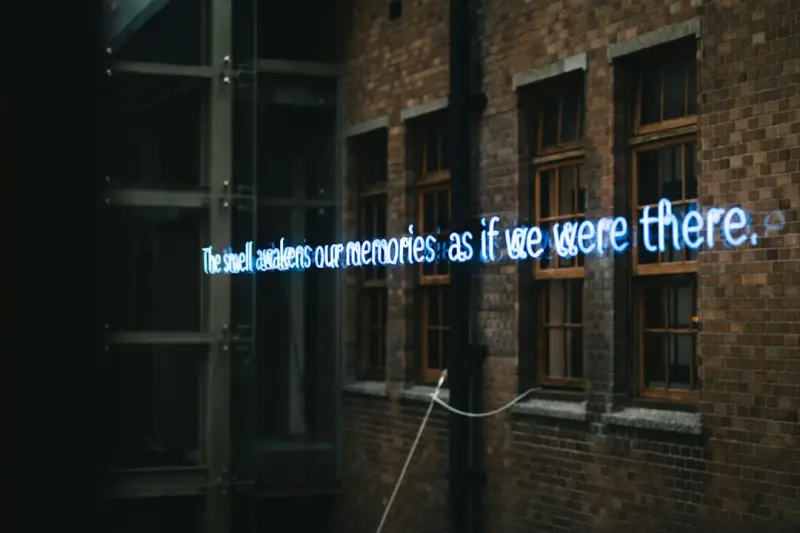
Imagine walking into a meeting and instantly pulling up every decision, experiment, and conversation that led to today’s strategy—without a single PDF or endless email thread. That isn’t a sci‑fi fantasy; it’s the emerging reality of AI‑driven corporate memory. In a world where teams churn out ideas faster than they can catalog them, AI can become the quiet librarian that not only stores information but also surfaces the right insight at the right moment.
The Knowledge Gap That Keeps Teams Stuck
Most organizations treat knowledge as a static asset: it lives in shared drives, wikis, or the occasional PowerPoint deck. Over time, those repositories become dust‑laden archives, riddled with outdated files and broken links. The result? Employees waste hours searching, reinventing solutions, or worse—making decisions based on incomplete data. This “knowledge decay” erodes agility and fuels frustration, especially as remote and hybrid work models spread the friction across time zones.
Enter AI: From Passive Storage to Active Retrieval
Artificial intelligence shifts the paradigm from storing information to understanding it. By ingesting documents, chat logs, meeting transcripts, and even code repositories, modern language models can construct a semantic map of an organization’s collective intellect. When a team member asks, “How did we resolve the last supply‑chain bottleneck?” the AI doesn’t just fetch a PDF; it synthesizes a concise narrative, highlights key actions, and even suggests next steps based on past outcomes.
Why “Silent Curator” Beats “Chatbot”
Many companies have deployed chatbots that answer FAQs, but these tools often feel intrusive—users must remember to invoke a specific command or navigate a separate UI. A silent curator works in the background, integrating with existing workflows: email, project management tools, and collaboration platforms. It nudges you with contextual prompts, like a subtle reminder that “the team explored a similar feature two quarters ago.” This unobtrusive assistance respects user attention while delivering high‑value insights.
Building the Foundations: Clean Data, Clear Taxonomy
AI’s brilliance is only as good as the data it learns from. Before unleashing a corporate memory engine, firms should invest in a digital declutter. Consolidate redundant files, prune obsolete drafts, and enforce a consistent naming convention. Think of it as a health check for your knowledge base—much like a therapist clears mental clutter before deep work can begin. Once the data hygiene is solid, AI can map relationships between concepts, projects, and people, turning a chaotic file system into an intuitive knowledge graph.
From Silos to Symphonies: Bridging Departments
One of the most powerful side effects of an AI‑curated memory is the breakdown of departmental silos. Marketing can see product development’s past experiments; finance can glimpse sales’ forecast assumptions. This cross‑pollination nurtures a culture of transparency and shared ownership. For instance, a product manager drafting a new feature can instantly retrieve insights from the sales team’s last pitch deck, ensuring alignment from the outset.
Case Study: Turning Historical Data into Real‑Time Strategy
Consider a mid‑size SaaS firm that struggled with churn analysis. Their churn reports were buried across spreadsheets, CRM notes, and support tickets. By deploying an AI memory layer, the company linked each churn event to the preceding support interaction, pricing changes, and product updates. The AI surfaced patterns—such as a spike in churn following a specific UI change—and recommended a targeted outreach campaign. Within weeks, churn dropped by 12%, and the team saved countless hours previously spent digging through data.
Embedding AI into Everyday Tools
The true magic happens when AI is woven into the tools employees already love. Imagine a design mockup tool that, as you sketch, suggests color palettes that were successful in past campaigns. Or a code editor that flags a library you used before that caused performance issues. By integrating with platforms like Slack, Asana, or Notion, the AI becomes a co‑pilot rather than an afterthought.
Ethical Guardrails: Keeping Memory Trustworthy
With great power comes great responsibility. An AI that recalls every conversation must respect privacy and compliance. Organizations should establish clear policies about what data can be ingested, enforce role‑based access controls, and provide audit trails for AI‑generated suggestions. Transparency about how the AI surfaces information builds trust and prevents the “black box” syndrome.
Measuring Impact: Beyond Anecdotes
To justify the investment, track concrete metrics: reduction in time spent searching for information, increase in cross‑functional project success rates, and improvements in decision‑making speed. Tools that quantify “knowledge reuse”—such as the number of times a past solution is cited in new proposals—can demonstrate ROI in tangible terms.
Future Horizons: Learning from the Past to Predict the Future
When an AI system fully understands an organization’s historical context, it can begin to predict outcomes. By analyzing past project timelines, resource allocations, and market responses, the AI can forecast potential bottlenecks for upcoming initiatives. This forward‑looking capability transforms corporate memory from a static archive into a strategic asset that fuels proactive planning.
Getting Started: A Pragmatic Roadmap
1. Audit Your Knowledge Assets: Identify where critical information lives and assess its quality.
2. Clean and Consolidate: Apply a digital declutter to streamline repositories.
3. Select an AI Platform: Choose a solution that offers easy integration, strong security, and customizable prompts.
4. Pilot with a Use Case: Start small—perhaps an AI assistant for the sales team’s client briefings.
5. Iterate and Expand: Gather feedback, refine taxonomy, and gradually roll out to other departments.
Human Touch Still Rules
AI is a catalyst, not a replacement for human judgment. The silent curator surfaces possibilities, but the ultimate decisions rest with people. Encourage teams to validate AI suggestions, add contextual nuances, and continuously feed new learnings back into the system. This feedback loop ensures the memory stays fresh, relevant, and aligned with the organization’s evolving mission.
Conclusion: Your Organization’s Hidden Archive Awaits
In the race to innovate, the most valuable resource is often what already exists within your walls—just waiting to be discovered. By harnessing AI as a silent curator of corporate memory, you empower teams to make faster, smarter, and more collaborative decisions. The result is not only a boost in productivity but a culture where every employee feels connected to the collective wisdom of the organization.

Karen Edwards is a seasoned freelance writer with a passion for all things furry, feathered, and scaled. With a dedicated focus on pets, she brings a wealth of knowledge and a keen eye for detail to her writing.
Related Posts

AI as the Invisible Mentor: Turning Machine Learning into Every Team’s Growth Coach
AI isn’t just automation; it’s an invisible mentor that offers micro‑coaching, ethical guardra... Read More
When AI Becomes Your Personal Decision Coach
A decision‑coach AI pairs data aggregation, predictive modeling, and human feedback to turn overlo... Read More

The Quiet Sentinel: How AI is Guarding Your Data Privacy in Real Time
AI can transform data privacy from a periodic, reactive task into a proactive, real‑time safeguard... Read More
Top Posts

Micro‑Rituals for Radiant Skin and Calm Minds
Learn the power of micro‑rituals: easy DIY serum recipes, mindful breathing, and sensory cues that boost skin health and calm the mind, all in a sustainable d...Read More

Conversational Knowledge Bases: How AI Turns Docs Into Living Assistants
Discover the shift from static docs to AI‑driven conversational knowledge bases, learning how to build, integrate, and scale living assistants that enhance on...Read More
Mapping Memories: The New Hybrid Approach to Travel Journaling
Explore a fresh travel practice that combines the tactile depth of handwritten journals with AI‑enhanced digital tools, enabling richer memories, better recal...Read More

Travel with Purpose: How Volunteering Abroad Enriches Communities and You
Explore the transformative power of purposeful travel. Learn how volunteering abroad enriches both the host community and the traveler with ethical tips, real s...Read More
0 Comments
Post Comment
You will need to Login or Register to comment on this post!