

When I first walked into a senior leadership roundtable and heard a freshly‑hired analyst suggest a new data‑visualisation technique, I felt a familiar sting of ego. It’s a reflex we all share: the instinct to protect the “expert” status we’ve spent years cultivating. Yet, over the past decade, I’ve watched that reflex erode, replaced by a quiet, powerful force I now call reverse mentorship.
The Blind Spot in Traditional Development
Most organizations still operate under a one‑way mentorship model: senior employees dispense wisdom, junior staff listen. The model assumes knowledge flows downward, that experience is the sole currency of value. In reality, the digital age has flipped that assumption on its head. Millennials and Gen Z colleagues are digital natives, fluent in emerging platforms, AI tools, and new cultural norms that senior leaders often only glimpse from headlines.
When we cling to the old hierarchy, we miss out on two crucial opportunities:
- Innovation pipelines that start at the bottom. Fresh perspectives can spot inefficiencies that seasoned eyes have normalized.
- Talent retention. Young professionals crave growth, not just a ladder they can climb but a forum where their voices truly matter.
Reverse mentorship isn’t a gimmick; it’s a strategic lever for staying relevant.
What Reverse Mentorship Looks Like
At its core, reverse mentorship pairs a senior employee with a junior colleague for a set period—usually three to six months. The senior member is the “mentee,” and the junior is the “mentor.” The relationship is intentional, goal‑oriented, and mutually beneficial. Unlike traditional mentorship, the focus isn’t on career advice; it’s on knowledge exchange.
Typical topics include:
- Emerging tech trends (e.g., generative AI, low‑code platforms)
- Social media brand strategy
- Inclusive communication styles for a global audience
- New workplace wellbeing practices, such as strategic napping techniques that boost productivity without sacrificing professionalism.
Benefits for Leaders
Senior staff often underestimate what they have to learn. Here’s why they should be excited:
- Real‑time market insight. Younger employees live on the front lines of consumer behavior, giving leaders a pulse on shifting preferences.
- Tech fluency. Pairing with a junior who knows the ins and outs of AI tools can accelerate adoption. For instance, leveraging AI as a creative co‑pilot can transform brainstorming sessions from “idea‑generation” to “idea‑execution” in half the time.
- Leadership humility. Listening to fresh input cultivates a growth mindset, a trait linked to higher employee engagement scores across industries.
- Enhanced empathy. Understanding the day‑to‑day challenges of newer hires helps senior managers design policies that truly support the workforce.
Benefits for New Talent
For the junior participants, the upside is equally compelling:
- Visibility. Direct access to senior leaders fast‑tracks personal branding within the organization.
- Strategic thinking. Observing high‑level decision‑making demystifies the “executive” realm, preparing them for future leadership roles.
- Confidence building. Knowing that their expertise is valued reinforces a sense of agency and belonging.
- Career acceleration. Studies show that mentees in reverse programs often receive promotions faster than peers.
Designing a Sustainable Program
Implementing reverse mentorship isn’t as simple as pairing names on a spreadsheet. A well‑crafted program includes:
- Clear objectives. Define what success looks like—whether it’s a prototype, a policy recommendation, or a cultural shift.
- Structured time. Set regular, protected slots (e.g., 30‑minute bi‑weekly meetings) to ensure consistency.
- Facilitated kickoff. A brief orientation that outlines expectations, confidentiality rules, and communication norms.
- Support resources. Offer toolkits—like a quick guide to using AI in brainstorming or a primer on workplace wellness trends—to level the playing field.
- Feedback loops. After each session, both parties should capture key takeaways and rate the relevance of the discussion. This data fuels continuous improvement.
Embedding technology can amplify results. For example, using AI‑driven analytics to surface the most discussed topics helps managers identify emerging trends before they become mainstream.
Measuring Impact Without Overkill
Numbers matter, but they don’t have to be invasive. Simple metrics that capture both qualitative and quantitative impact include:
- Innovation index. Count the number of new ideas or process improvements that originated from reverse mentorship sessions.
- Engagement score uplift. Compare pre‑ and post‑program survey results on employee satisfaction.
- Skill adoption rate. Track how many senior leaders integrate a specific junior‑suggested tool (e.g., a new collaborative platform) into their workflow.
- Retention impact. Measure turnover among participants versus a control group.
These metrics keep the program accountable while preserving its organic, conversational spirit.
Common Pitfalls and How to Dodge Them
Even the best‑intentioned initiatives can stumble. Here are the usual suspects and practical fixes:
- Power imbalance. If seniors dominate the conversation, the junior’s voice is silenced. Solution: set a rule that the junior leads at least one agenda item per meeting.
- Lack of buy‑in. Some leaders view mentorship as “extra work.” Counter this by linking participation to leadership development KPIs.
- One‑off engagements. Sporadic meetings dilute impact. Ensure the program is embedded in the performance calendar.
- Misaligned goals. If a senior wants leadership coaching while the junior wants tech training, the partnership falters. Conduct a pre‑match interview to align expectations.
Future‑Proofing Your Workforce
Reverse mentorship is more than a trendy HR program; it’s a blueprint for an adaptive, learning‑centric organization. As markets accelerate and new technologies emerge, the ability to tap into the collective intelligence of every employee becomes a competitive moat.
Imagine a future where every senior manager has a junior “innovation scout” on call, where AI‑enhanced brainstorming sessions are the norm, and where wellness practices—like strategic napping—are embedded in the daily rhythm of work. That future starts with a simple, intentional conversation today.
So, the next time you hear a fresh idea from a colleague who’s still learning the ropes, resist the urge to brush it off. Invite them to a reverse‑mentorship coffee, set a calendar invite, and watch how that dialogue reshapes not just your perspective, but the entire organization’s trajectory.

David Moore is a freelance writer specializing in two dynamic and ever-evolving fields: gambling and the tech industry. With a keen eye for detail and a knack for unraveling complex topics, David delivers insightful and engaging content that keeps readers informed and entertained.
Related Posts
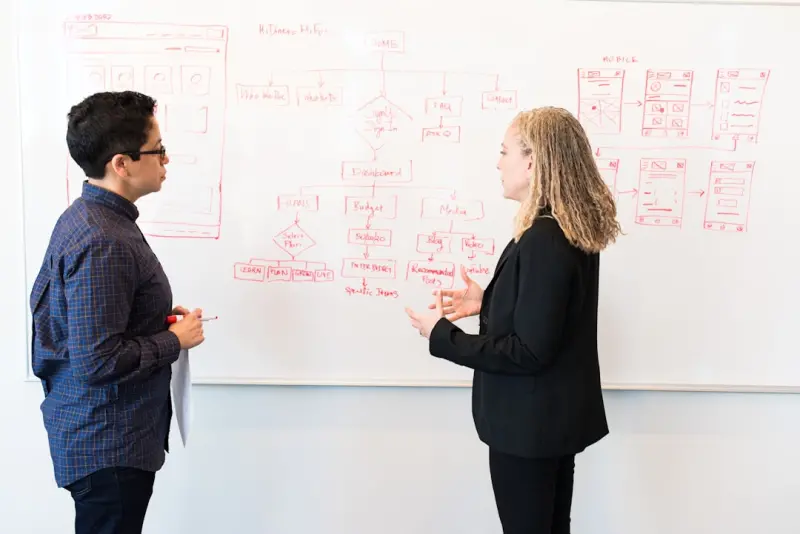
Talent‑First Blueprint: Redesigning Work for People, Not Processes
A Talent‑First Blueprint flips traditional hierarchies, focusing on personalized growth, dynamic p... Read More
The Green Edge: How Garden Desks Are Transforming Modern Employment
Explore the rise of garden desks and why they’re becoming the secret weapon for career advancement... Read More
Why Portfolio Careers Are the New Normal for Modern Employees
Portfolio careers combine core jobs, internal gigs, and external side‑hustles, offering employees ... Read More
Top Posts

Why Garden Desks Are Revolutionizing Employment in 2026
Explore the rise of garden desks, their impact on workplace productivity, health, and talent attraction, and learn how to implement this game‑changing trend i...Read More

Green Workspaces: How My Garden Desk Is Redefining Home & Garden Living
Jimmy Damon shows how turning a garden desk into a thriving green workspace can transform your home, boost well‑being, and spark a new era of sustainable livi...Read More
Blueprinting Your Career: How to Engineer Work That Grows With You
Discover a step‑by‑step framework for building a living career blueprint that maps your skills, tracks market trends, and aligns with your personal work sty...Read More
AI‑Powered Innovation Sprints: From Idea to Impact in Hours
An AI‑powered innovation sprint condenses weeks of brainstorming into a single, high‑energy session, using prompt engineering, real‑time data scoring, and...Read More
0 Comments
Post Comment
You will need to Login or Register to comment on this post!