
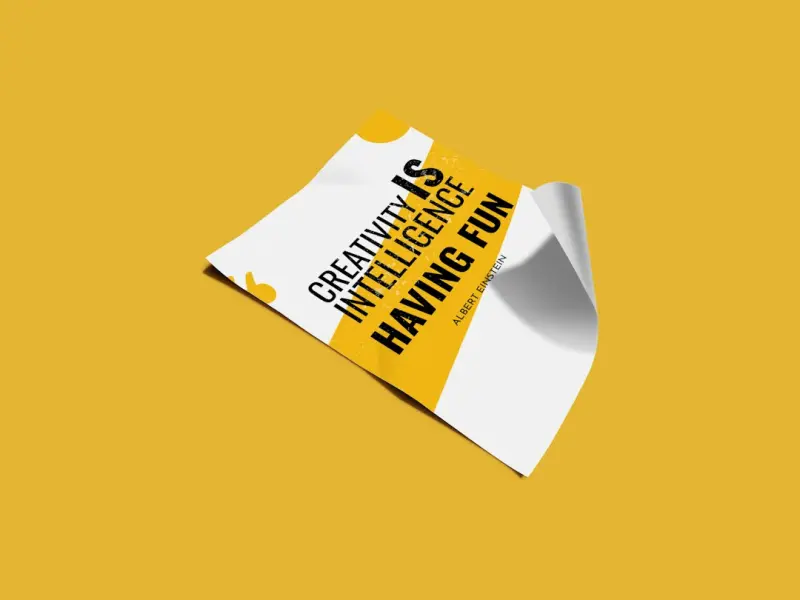
Welcome to the Playground: AI as Your Creative Partner
When I first sat down at my kitchen table with a steaming mug of tea, I wasn’t thinking about code or data pipelines. I was pondering a simple question: What would happen if the AI I built for analytics started suggesting brand‑new product ideas instead of just reporting trends? That spark of curiosity turned into a full‑blown exploration of what I now call the Creative Muse role for artificial intelligence—a role that goes beyond the usual efficiency‑first narratives and steps into the realm of imagination.
Why the Traditional AI Narrative Feels Incomplete
Most of the industry conversation frames AI as a tool—a lever to automate repetitive tasks, to crunch numbers faster, or to act as a strategic AI decision‑making companion. Those applications are undeniably valuable, yet they leave a crucial piece of the puzzle untouched: creativity. In the same way a painter doesn’t just mix colors but also discovers new brush strokes, product teams need a partner that can suggest, remix, and even challenge their assumptions.
From Inspiration to Implementation: The Three Phases of AI‑Driven Creativity
To make this concept actionable, I break it down into three interlocking phases. Think of them as a choreography where AI and humans lead in turn, each step informed by the last.
- Ideation Augmentation: Generative models surface unexpected combinations of features, market signals, and user personas.
- Concept Refinement: Language models help flesh out narratives, value propositions, and even draft early‑stage wireframes.
- Rapid Prototyping & Testing: AI‑powered simulation tools let teams iterate on designs without building a single line of code.
When these phases are deliberately woven into a product development rhythm, the result is not just faster delivery—it’s a richer, more divergent pipeline of ideas that can uncover hidden opportunities.
Ideation Augmentation: Letting the Machine Whisper New Possibilities
Imagine you’re planning the next feature set for a SaaS platform that helps remote teams coordinate tasks. You have a backlog full of incremental requests: better calendar sync, more granular permission controls, a few UI tweaks. A generative AI, fed with your product’s usage data, market research, and a handful of competitor analyses, starts suggesting concepts like:
- A context‑aware recommendation engine that suggests next steps based on a team’s recent activity patterns.
- A virtual whiteboard that automatically extracts action items from video meetings using speech‑to‑text and sentiment analysis.
- A gamified progress tracker that turns sprint completion rates into a leaderboard visible across the organization.
These aren’t just variations on existing themes; they’re leaps that often arise from the AI’s ability to cross‑pollinate data points that a human mind, entrenched in daily workflows, might overlook. The key is to treat the AI output as raw material, not a finished product. It’s a conversation starter that can be debated, refined, or even discarded.
Concept Refinement: Giving Voice to the Abstract
Once a handful of intriguing ideas surface, the next challenge is to articulate them clearly enough for stakeholders, designers, and engineers to act. This is where large language models (LLMs) excel. By prompting an LLM with a concise description of an idea, you can generate:
- Elevator pitches that capture the core value proposition.
- User stories that map out the journey from pain point to solution.
- Sample UI copy, onboarding flows, and even FAQ drafts.
For instance, feeding the “virtual whiteboard” concept into an LLM produced a draft narrative that highlighted how “real‑time transcription meets visual collaboration, turning every spoken insight into a tangible task card.” That sentence alone gave our design team a concrete anchor to begin sketching wireframes.
Rapid Prototyping & Testing: Simulating Reality Before You Build
Traditional prototyping often involves building clickable mockups or developing a minimum viable product (MVP). AI can compress this timeline dramatically. Tools that simulate user interaction—powered by reinforcement learning or synthetic data generation—allow you to test how a new feature might affect key metrics like engagement or churn, without writing a single line of production code.
In one experiment, I fed a set of synthetic user journeys into a model that predicted the impact of a “gamified progress tracker.” The model suggested a potential 12% increase in weekly active users, but also warned of a possible 5% rise in “feature fatigue” scores. Armed with that insight, the product team adjusted the gamification intensity before any UI was built, saving weeks of A/B testing.
Embedding the Muse: Practical Steps for SaaS Teams
Transitioning from theory to practice requires intentional changes to workflow and culture. Below are five steps you can implement today to invite AI into the creative process:
- Curate a Diverse Data Reservoir: Feed your generative models not just internal metrics but also external sources—industry reports, social media sentiment, and even design trend archives. Diversity in data fuels diversity in ideas.
- Establish “Idea Sprints”: Dedicate short, focused sessions where the sole purpose is to brainstorm with AI assistance. Treat the output as a draft, not a decision.
- Design Prompt Playbooks: Document effective prompts that have yielded high‑quality concepts. Over time, you’ll build a repository that anyone on the team can use.
- Integrate AI Reviews into Product Gateways: Before a feature moves from concept to engineering, require an AI‑generated impact assessment. This adds a data‑backed perspective to the go/no‑go decision.
- Foster a “Humans‑First” Mindset: Emphasize that AI augments, not replaces, human judgment. Celebrate moments where AI sparked an idea that a team member then transformed into a market‑winning product.
Addressing the Elephant in the Room: Trust and Bias
When you invite a machine into the realm of imagination, you also inherit its blind spots. Generative AI can amplify existing biases present in training data, leading to suggestions that may unintentionally marginalize certain user groups. To mitigate this:
- Run bias audits on AI outputs, checking for over‑representation of dominant demographics.
- Pair AI suggestions with human‑led empathy mapping sessions.
- Maintain transparency by documenting which datasets informed each AI‑generated concept.
By treating bias as a feature to be debugged rather than an unavoidable flaw, you protect the integrity of your product vision and ensure that the creative muse serves a truly inclusive audience.
Case Study: Turning a Routine Feature into a Revenue Engine
One of our SaaS clients—an analytics platform for e‑commerce—used the traditional roadmap approach, adding incremental reporting dashboards each quarter. After integrating an AI‑driven creative workflow, the team surfaced an idea for a predictive merchandising assistant that suggested product bundles based on real‑time shopper behavior. The AI not only proposed the concept but also generated a mock pricing model and a draft marketing tagline.
The result? Within six months, the new feature accounted for a 9% lift in average revenue per user (ARPU) and opened a new upsell tier. The client credited the breakthrough to “the moment the AI whispered an idea we hadn’t imagined ourselves.” This anecdote underscores how the muse approach can transform a modest product line into a strategic growth lever.
Balancing the Muse with the Engineer: Avoiding Over‑Automation
It’s tempting to let AI take the wheel entirely, especially when the technology feels magical. However, the most successful teams treat AI as a collaborator that prompts human reflection. Engineers should use AI‑generated specs as starting points, not final blueprints. Designers should iterate on AI‑suggested UI flows, adding the nuance that only lived experience can provide.
This balance prevents the pitfall of “automation paralysis,” where teams become overly reliant on algorithmic suggestions and lose the ability to think independently. Regular “human‑only” brainstorming sessions—free from AI input—help maintain that creative muscle.
Looking Ahead: The Evolving Role of AI in SaaS Innovation
As generative models become more sophisticated, the line between inspiration and execution will continue to blur. We can expect to see AI that not only proposes ideas but also simulates full product launches, predicts market reception, and even drafts code scaffolding. The future workspace may look like a personal innovation studio where every surface is an interactive canvas for human‑AI co‑creation.
Embracing this future starts today. By consciously inviting AI into the creative phases of product development, SaaS companies can unlock a richer pipeline of ideas, accelerate time‑to‑market, and ultimately deliver solutions that feel both innovative and human‑centred.
Final Thoughts: Invite the Muse In, but Keep the Conversation Two‑Way
The most powerful insight I’ve gained is that AI’s true value isn’t in replacing human ingenuity—it’s in amplifying it. When you let a machine whisper possibilities, you’re not surrendering control; you’re expanding the horizon of what you thought was possible. Treat AI as a trusted collaborator, keep the dialogue open, and you’ll find that the most groundbreaking products often start as a simple suggestion from your new creative muse.

When it comes to the world of blogging and writing, Rose DesRochers is a name that stands out. Her passion for creating quality content and connecting with her audience has made her a trusted voice in the industry. Aside from her skills as a writer and blogger, Rose is also known for her compassionate nature.
Related Posts

From Data to Narrative: How AI Is Redefining Storytelling in B2B SaaS
AI is moving beyond automation to become a co‑author of enterprise narratives, turning metrics int... Read More
Prompt Engineering: The Unsung Skill Powering Modern Enterprises
Prompt engineering has emerged as the decisive factor behind successful AI deployments. This post ex... Read More
Beyond Automation: AI as Your Personal Knowledge Vault
AI is evolving from a mere automation tool into a personal knowledge vault that captures, organizes,... Read More
Top Posts

Travel Soundscapes: Turning Ambient Audio into Immersive Memories
Explore the power of travel soundscapes—learn to record, organize, and share ambient audio that turns ordinary trips into vivid, lasting memories....Read More

Quiet Corners: Simple Soundproofing Hacks for Every Room
A practical guide to low‑cost soundproofing techniques that transform any room into a quieter, more focused sanctuary, complete with DIY tips, smart solutions...Read More

Garden Desks: Jimmy Damon’s Blueprint for the Hottest Home & Garden Trend
Jimmy Damon reveals how garden desks transform work, boost well‑being, and lead the 2024 home & garden trend—learn to design your own green workspace today....Read More

Why Your Next Vacation Should Be a Data‑Driven Expedition
Discover how treating travel as an experiment, using simple data tools, AI suggestions, and sustainability metrics can transform any vacation into a smarter, mo...Read More
0 Comments
Post Comment
You will need to Login or Register to comment on this post!