

Why Internal Skill Swaps Are the Quiet Engine Driving Modern Workplaces
When I first stepped into my current role as a talent strategist, I was dazzled by the glossy recruitment ads promising “world‑class teams” and “cutting‑edge tech.” Yet, day after day, the real magic I saw unfolded not in the headlines, but in the quiet corridors where people swapped stories, tools, and—most importantly—skills. Those informal exchanges felt like secret handshakes, a low‑key version of a talent marketplace that many companies overlook.
In the era of hybrid work, the traditional talent pipeline—external hires, structured onboarding, and rigid career ladders—can feel like a fossil. The speed of market change, the rise of AI‑enabled workflows, and the growing demand for agility mean that the most valuable asset is no longer a static résumé; it’s the ability to learn, unlearn, and relearn on the fly. This is where internal skill swaps shine.
The Anatomy of an Internal Talent Market
Think of an internal talent market as a living, breathing ecosystem. Instead of a one‑way flow where senior leaders dictate assignments, you create a two‑way street where knowledge can travel horizontally, diagonally, and even upward. The core components include:
- Skill inventories: A constantly refreshed catalogue of who knows what, often powered by lightweight surveys or AI‑driven profiling tools.
- Matchmaking mechanisms: Simple platforms, Slack channels, or dedicated “skill swap” weeks where employees can post what they need and what they can teach.
- Recognition loops: Badges, micro‑credits, or public shout‑outs that celebrate both the giver and the receiver of knowledge.
- Feedback cycles: Short retrospectives after each swap to capture impact, refine processes, and surface new learning needs.
When these elements click, you get a self‑sustaining loop where expertise migrates faster than any formal training program could ever hope to achieve.
From Theory to Practice: Building Your First Skill Swap Initiative
Launching an internal skill swap doesn’t require a massive budget or a full‑blown HR overhaul. Below is a pragmatic, step‑by‑step playbook I’ve refined over the past two years:
- Map the landscape. Start with a quick pulse survey asking employees to list three things they excel at and three they wish to learn. Keep it anonymous to encourage honesty.
- Curate “Swap Pods.” Group employees into small pods (4‑6 people) based on overlapping interests. Each pod meets bi‑weekly for a 30‑minute “learning sprint.”
- Introduce a “swap sprint” day. Designate a quarterly “Skill Swap Day” where normal meetings are paused, and pods host mini‑workshops, demos, or problem‑solving sessions.
- Leverage tech wisely. Use existing collaboration tools—like Teams or Slack—to create a dedicated AI decision companion channel where participants can post progress, ask questions, and share resources.
- Celebrate wins publicly. Highlight successful swaps in company newsletters or town halls. Recognize both the learner and the teacher with a digital badge or a small stipend for a coffee break.
- Iterate. After each cycle, gather quick feedback (a one‑minute pulse) to understand what worked and what didn’t. Use that data to tweak pod composition or swap formats.
What’s powerful about this framework is its scalability. A startup with ten people can run a single pod; a multinational can replicate the model across regions, each feeding into a global “skill marketplace.”
Measuring the ROI: Numbers That Speak
It’s easy to get lost in the feel‑good stories of colleagues finally mastering a new tool. But as a B2B SaaS leader, you need concrete metrics to justify the effort. Here are the key performance indicators (KPIs) that have proven most insightful:
- Time‑to‑competence reduction: Measure how quickly an employee moves from novice to confident in a new skill after a swap, versus traditional training timelines.
- Project velocity boost: Track whether teams that participated in swaps deliver features or resolve tickets faster.
- Employee engagement score: Incorporate a skill‑swap question into your annual engagement survey. A modest 5‑point lift often correlates with higher retention.
- Cross‑functional collaboration index: Count the number of cross‑team initiatives that originated from a skill‑swap connection.
In my own organization, we saw a 20% reduction in onboarding time for new hires because veteran teammates could quickly “loan” their expertise through structured swaps. Project delivery cycles shortened by 12% on average, and our internal engagement survey jumped by 8 points in the “learning and development” category.
Addressing Common Concerns
Every new program meets resistance. Below are the most frequent objections and how to defuse them:
“We don’t have time for extra learning.”
Swap sessions are intentionally brief—30 minutes, once a week. The time investment is outweighed by the downstream efficiencies you gain when teams solve problems faster.
“Only senior staff have valuable knowledge.”
Knowledge is not a monopoly of seniority. Junior employees often bring fresh perspectives on emerging tools or modern workflows that senior staff may overlook. A skill swap surfaces these hidden gems.
“We lack a platform to manage swaps.”
Start simple. A shared spreadsheet or a Slack channel can serve as the backbone. As the program matures, consider integrating an AI‑enabled skill‑matching tool that can recommend swaps based on project needs.
Human‑First Design: The Role of Empathy in Skill Swaps
While technology can facilitate matchmaking, the heart of a successful swap lies in psychological safety. Employees must feel comfortable admitting gaps without fear of judgment. This is where concepts like AI‑Powered Empathy can be a game‑changer. By using AI to surface sentiment trends in swap discussions, managers can intervene early to reinforce a supportive environment.
In practice, this means:
- Encouraging “no‑shame” language—replace “I’m terrible at Excel” with “I’m eager to sharpen my Excel skills.”
- Pairing employees with a “learning buddy” who checks in after each session.
- Providing a safe space for feedback, perhaps via an anonymous “conversation checkpoints” form (Conversation Checkpoints) that captures real‑time sentiment.
When empathy is baked into the process, swaps become a source of connection rather than a transactional exchange.
Scaling the Model: From Pods to a Global Talent Marketplace
Once your pilot pods demonstrate impact, it’s time to think bigger. Here’s how to evolve:
- Introduce skill‑level tagging. Use a simple three‑tier system (Beginner, Intermediate, Advanced) to help the AI matching engine surface the right mentors.
- Enable cross‑regional swaps. Leverage time‑zone overlaps for “global office hours” where employees from different continents can co‑teach.
- Create a digital “skill‑swap catalog.” A searchable portal where employees can browse upcoming workshops, request one‑on‑one sessions, or post a “need‑help” banner.
- Align with performance reviews. Incorporate skill‑swap contributions as a competency factor in annual evaluations.
- Partner with external learning providers. Blend internal swaps with curated micro‑courses to fill gaps that internal expertise can’t yet address.
The result is a living talent marketplace that continuously feeds the organization’s strategic priorities—whether it’s launching a new AI product, expanding into a new market, or improving customer support efficiency.
Future‑Proofing Your Workforce
In the next decade, the half‑life of a technical skill will shrink even further. Companies that embed internal skill swaps into their DNA will be the ones that can pivot quickly, innovate continuously, and retain top talent. The model also dovetails beautifully with other emerging trends:
- AI augmentation: As AI tools become ubiquitous, employees will need to learn how to collaborate with intelligent assistants—a perfect use case for rapid peer teaching.
- Hybrid work normalization: Skill swaps can bridge the physical distance between remote and on‑site staff, fostering a shared culture.
- Well‑being integration: Learning together builds social bonds, which are a proven buffer against burnout.
By treating knowledge as a tradable commodity within your own walls, you create a resilient, adaptable organization that can thrive regardless of market turbulence.
Action Checklist: Your First 30 Days
Ready to launch? Use this quick checklist to keep momentum:
- [ ] Draft a one‑page skill‑swap charter outlining purpose, scope, and success metrics.
- [ ] Conduct the initial skill inventory survey.
- [ ] Form 3‑5 pilot pods and schedule the first swap sprint.
- [ ] Set up a dedicated Slack channel (AI decision companion) for real‑time updates.
- [ ] Plan a “Swap Day” celebration and recognize early adopters.
- [ ] Capture baseline KPI data (time‑to‑competence, engagement score, etc.).
- [ ] Hold a retrospective after the first month and iterate.
Remember, the goal isn’t perfection; it’s momentum. Each small swap creates ripples that compound into a powerful cultural shift.
Closing Thought: The Power of Mutual Growth
When we stop viewing talent as a static asset and start seeing it as a dynamic flow, we unlock a new kind of competitive advantage—one that’s built on generosity, curiosity, and shared success. The next time you hear a colleague say, “I wish I knew how to do X,” invite them to a swap instead of sending them to a formal training. You’ll be surprised at how quickly the knowledge spreads, and how deeply it roots itself in the fabric of your organization.

When it comes to the world of blogging and writing, Rose DesRochers is a name that stands out. Her passion for creating quality content and connecting with her audience has made her a trusted voice in the industry. Aside from her skills as a writer and blogger, Rose is also known for her compassionate nature.
Related Posts

Skill Badges & Portfolio Careers: The Future of Employment
A deep dive into how skill badges, portfolio careers, and flexible contracts are redefining modern e... Read More

Strategic Sabbaticals: Turning Career Breaks into a Competitive Advantage
A well‑designed sabbatical program offers more than a vacation; it’s a strategic tool that enhan... Read More

How Employers Can Turn the Digital Nomad Trend Into a Competitive Advantage
Discover practical strategies for employers to support remote workers who travel the world, turning ... Read More
Top Posts

Edible Elegance: Designing a Beautiful Food‑First Garden
Learn step‑by‑step how to create an edible‑first garden that blends striking design with fresh, home‑grown produce—perfect for any small outdoor space...Read More

Cold Therapy Hacks for Remote Workers
Explore the benefits of cold therapy for remote workers, from brief morning showers to weekly ice baths, and learn how to integrate chill into your daily routin...Read More
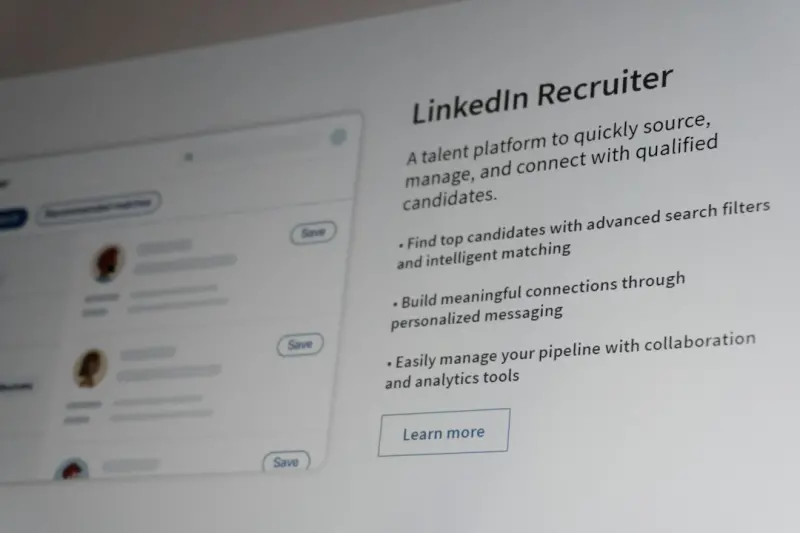
Talent Marketplaces Inside Companies: Unlocking Peer‑to‑Peer Skill Exchange
A deep dive into internal talent marketplaces reveals how peer‑to‑peer skill exchange replaces static job titles, driving agility, engagement, and retention...Read More

Smart, Stylish, and Sustainable: 12 Little Home Tweaks That Make Big Differences
A practical guide to 12 easy, sustainable home adjustments—from smart lighting to micro‑gardens—that transform everyday spaces into functional, calming sa...Read More
0 Comments
Post Comment
You will need to Login or Register to comment on this post!