
Why Passion Projects Are the Secret Weapon Your Talent Strategy Is Missing
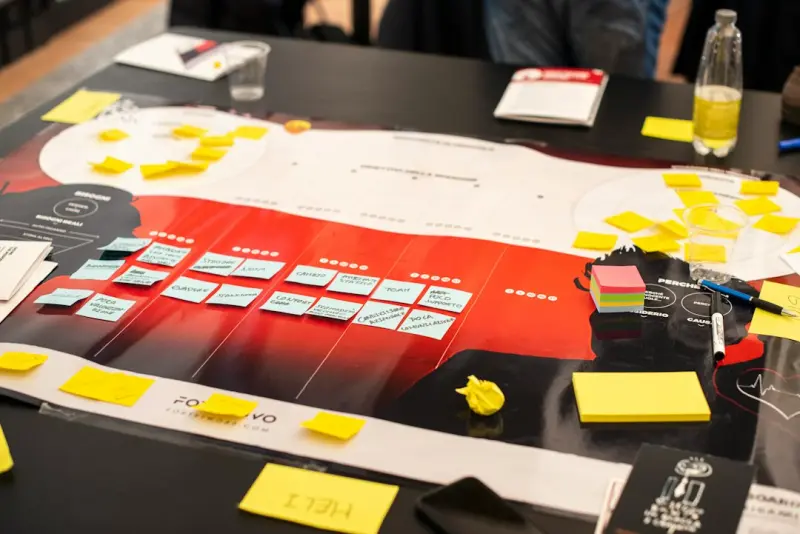
When I first stepped into the HR world, the dominant narrative was all about metrics, compliance, and the occasional “employee engagement survey.” Those are all important, but they paint a picture that feels more like a compliance checklist than a living, breathing ecosystem. Over the past decade I’ve watched a quiet revolution unfold: high‑performing teams are no longer built solely on job descriptions and KPIs. They’re built on personal purpose, on the spark that ignites when someone can work on something they truly love, even if it falls outside the strict boundaries of their day‑to‑day role.
The Gap Between Work and What Fuels You
Most organizations still treat work as a transaction: you show up, you deliver, you get paid. That model works for routine, repetitive tasks, but it collapses when you need creativity, problem‑solving, or resilience. Employees who feel a disconnect between their job and their deeper interests often experience quiet turnover—the subtle, invisible loss of enthusiasm that eventually manifests as lower productivity or an outright resignation.
Enter the concept of structured passion projects. Think of them as a sanctioned, time‑boxed sandbox where employees can explore ideas that aren’t part of their formal job description but align with the company’s broader mission. The result is a win‑win: staff feel valued for the whole person they are, and the organization uncovers fresh insights, prototypes, or process improvements that would never emerge from a strictly top‑down agenda.
What Sets a Passion Project Apart from a Side Hustle?
It’s tempting to blur the line between a “passion project” and an employee’s external gig. The key distinction lies in integration. A genuine passion project is:
- Company‑supported: Resources, mentorship, or a modest budget are allocated.
- Mission‑aligned: The idea contributes—directly or indirectly—to strategic goals.
- Time‑boxed: Typically 5‑15% of an employee’s work week, ensuring core responsibilities stay on track.
When these three pillars are in place, the project feels less like a “favor” and more like a strategic initiative.
Benefits That Extend Beyond the Individual
For the employee, the payoff is obvious: a sense of agency, renewed motivation, and an opportunity to develop skills that might otherwise be out of reach. For the organization, the upside is multifaceted:
- Innovation pipeline: Unconstrained thinking often yields low‑cost, high‑impact prototypes.
- Talent retention: Employees who see their passions nurtured are less likely to jump ship.
- Cross‑functional empathy: When a marketer collaborates on a data‑science proof‑of‑concept, each side gains a deeper appreciation for the other’s challenges.
- Employer branding: Publicizing these initiatives signals a culture that values creativity, attracting like‑minded talent.
Designing a Scalable Passion‑Project Framework
Implementing a program that feels organic rather than forced requires thoughtful scaffolding. Below is a step‑by‑step blueprint that has worked in companies ranging from 50 to 5,000 employees.
- Define the strategic umbrella. Identify 2‑3 high‑level themes (e.g., sustainability, customer experience, operational efficiency) that align with long‑term goals.
- Open a simple submission portal. An internal form where employees pitch ideas in 150 words or less, linking the project to one of the strategic themes.
- Establish a lightweight review board. A rotating panel of senior leaders, product managers, and a member of HR evaluates proposals based on impact potential and feasibility.
- Allocate “focus weeks.” Once a quarter, teams block off 2–3 days for dedicated project work, shielding participants from regular meeting overload.
- Provide micro‑budgets. Even a modest $1,000 can cover a prototype tool, a short course, or a freelance consultant.
- Celebrate outcomes. Host a 15‑minute demo slot at all‑hands meetings, and publish a short write‑up on the intranet.
These steps keep the program low‑maintenance while still delivering measurable outcomes.
Overcoming Common Skepticism
When we first rolled this out at my previous company, the most vocal critics asked, “Isn’t this a distraction?” The answer lies in data. Over a 12‑month pilot, teams that participated in passion projects showed a 12% increase in net promoter score (NPS) among internal stakeholders and delivered three patent‑ready concepts that entered the product roadmap. To silence doubts, track metrics that matter to leadership—time‑to‑market for new ideas, employee engagement scores, and retention rates.
Another concern is equity: “What if only a handful of “high‑performers” get the opportunity?” The solution is to embed rotational slots. Everyone gets a chance to lead or contribute, and the program is advertised as a developmental resource, not a reward for the already‑privileged.
Measuring Success Without Over‑Engineering
Complex dashboards can kill the spirit of a passion project. Instead, adopt a lean KPI set:
- Participation Rate: Percentage of employees who have submitted at least one proposal per year.
- Implementation Ratio: Proposals that transition from idea to prototype.
- Skill‑Growth Index: Self‑reported skill acquisition (e.g., “learned basic Python”).
- Business Impact Score: Qualitative assessment of how the project contributes to revenue, cost‑savings, or brand equity.
These metrics keep the focus on outcomes rather than exhaustive tracking.
Real‑World Inspiration: When Daydreaming Becomes a Business Asset
One of my favorite case studies comes from a tech startup that embraced the science of intentional daydreaming. They allocated a “thought‑pause” window each Friday, encouraging teams to step away from their screens and let their minds wander. The result? A 30% jump in novel feature suggestions, many of which later turned into product differentiators. You can read more about the psychology behind that approach in When Your Mind Takes a Vacation: The Science of Intentional Daydreaming.
Linking Physical Well‑Being to Creative Output
It might sound surprising, but the environment you work in can amplify—or stifle—your creative energy. A recent internal guide on improving indoor air quality showed that employees who breathed cleaner air reported a 15% boost in focus during brainstorming sessions. The correlation between a healthier workspace and more effective passion projects is compelling, and you can explore the details in Breathing Life Into Every Room: Simple DIY Air‑Purifying Hacks. By pairing a structured passion‑project program with an environment that nurtures mental clarity, you set the stage for breakthrough ideas.
Getting Started: Your First 30‑Day Action Plan
Here’s a quick‑start checklist for any HR or people‑operations leader ready to champion this approach:
- Secure executive sponsorship. A brief pitch outlining potential ROI and cultural benefits will go a long way.
- Identify the strategic themes. Involve senior leadership to ensure alignment.
- Launch the submission portal. Keep the form intuitive; ask for a problem statement, proposed solution, and alignment to a theme.
- Run a pilot with one department. Gather feedback, refine the review process, and celebrate the first success stories.
- Roll out company‑wide. Communicate the program’s purpose, showcase early wins, and open up the next round of submissions.
Within three months you’ll have a handful of prototypes, a measurable uptick in employee excitement, and a clear narrative to share with the board.
Conclusion: From Transactional Work to Transformational Impact
Employment is evolving from a series of checkboxes to an ecosystem where personal purpose and corporate mission intersect. Structured passion projects are the bridge that turns an employee’s “what if?” into a tangible, business‑critical outcome. By giving people the time, resources, and recognition to explore the ideas that light them up, you’re not just boosting morale—you’re unlocking a hidden engine of innovation that can propel your organization forward.
If you’re ready to shift from a purely transactional employment model to one that celebrates curiosity, creativity, and collective growth, start small, measure wisely, and celebrate loudly. The future of work isn’t just about where we sit; it’s about what we’re allowed to imagine when we’re given the space to do so.

David Moore is a freelance writer specializing in two dynamic and ever-evolving fields: gambling and the tech industry. With a keen eye for detail and a knack for unraveling complex topics, David delivers insightful and engaging content that keeps readers informed and entertained.
Related Posts

Cultivating Portfolio Careers: A New Blueprint for Modern Employment
Discover the rise of portfolio careers, why traditional ladders are outdated, and actionable steps f... Read More

The Adaptive Career Lattice: Redesigning Employee Growth for a Fluid Workforce
The Adaptive Career Lattice replaces outdated ladders with intentional mobility, peer‑to‑peer sk... Read More

The Four‑Day Workweek: A Strategic Talent Retention Tool
A deep dive into the four‑day workweek as a talent retention strategy, covering models, performanc... Read More
Top Posts
Mapping Memories: The New Hybrid Approach to Travel Journaling
Explore a fresh travel practice that combines the tactile depth of handwritten journals with AI‑enhanced digital tools, enabling richer memories, better recal...Read More

Purposeful Home Zoning: Turn Every Room into a Lifestyle Engine
Discover a zone‑based approach to home design that aligns each space with its intended purpose, using visual cues, sound management, and nature‑infused déc...Read More

Traveling Light, Living Bright: Crafting a Portable Wellness Kit for the Modern Explorer
A portable wellness kit equips modern explorers with hydration, cold‑therapy, light, sound, and nutrition tools to stay healthy, energized, and mentally sharp...Read More

Rooftop Gardens: Turning City Roofs into Lush Retreats
Explore a step‑by‑step guide to converting a flat roof into a vibrant garden retreat, blending resilient plant choices, smart water management, and seasonal...Read More
0 Comments
Post Comment
You will need to Login or Register to comment on this post!