

There’s a peculiar magic that only reveals itself when the itinerary is stripped down to its bare essentials: the quiet hum of a train carriage at 2 a.m., a coffee shop that never seems to close, the empty bench on a seaside promenade that feels like it was placed just for you. In those moments, the world pauses and invites you to listen—not to the chatter of fellow travelers, but to the soft, steady rhythm of your own thoughts.
Why Solo Downtime Is a Treasure Trove for Creativity
Most travel guides celebrate the must‑see landmarks, the bustling markets, the epic hikes that will leave you breathless. But the true catalyst for fresh ideas often hides in the spaces between those highlights. When you’re on your own, you control the pace, the pauses, the moments you decide to linger or sprint ahead. That autonomy creates a mental sandbox where ideas can tumble, collide, and settle into something new.
Think of solo downtime as a canvas. The blank stretches between flights, layovers, and long walks aren’t voids—they’re opportunities to sketch the outlines of future projects, to draft a story you’ve been mulling over, or even to redesign a process at work that’s been stuck in a rut. The key is to approach these interludes with intention, not as wasted time but as fertile ground for the mind.
Crafting a “Creative Pocket” in Your Travel Routine
Below are practical steps to convert ordinary travel pauses into a personal creativity incubator. Each tip is designed to be low‑maintenance, so it won’t feel like another item on your packing list.
- Designate a “Thinking Spot.” Whether it’s a window seat on a regional train, a quiet corner of a hostel lounge, or a shaded patio at a local café, make this place your go‑to for reflection. The consistency of location trains your brain to associate the environment with deep work.
- Carry a Mini “Idea Kit.” A pocket‑size notebook, a couple of pens, and a tiny voice‑recorder (your phone works fine). When inspiration strikes—often unexpectedly—capture it before it evaporates. The act of writing also solidifies the thought.
- Set a “Micro‑Reflection” Timer. Use the tiny micro‑movements concept: every 45 minutes, pause for two minutes. Close your eyes, breathe, and let a single idea percolate. This habit prevents mental overload and keeps your creative juices flowing.
- Leverage Ambient Sound. The low murmur of a bustling market, the rhythmic clack of train wheels, the gentle lapping of waves—these sounds can act as auditory cues that signal “creative mode.” Consider using noise‑cancelling headphones with a playlist of natural soundscapes to amplify the effect.
- Practice “Laughter‑Based Reset.” A quick laugh—whether from a funny sign, a quirky local custom, or a spontaneous joke with a fellow traveler—can dissolve mental blocks. Research shows humor releases dopamine, which fuels creative thinking. Check out this piece on the unexpected stress relief of laughter for more insight.
The Power of “Unplanned Narrative”
When you travel alone, the story you tell yourself becomes fluid. You aren’t bound by a group’s expectations, so you can reshape the narrative on the fly. Instead of asking, “What did we see today?” ask, “What did I notice?” or “What question does this place raise for me?” This shift transforms ordinary observations into the seeds of larger concepts.
For example, a missed bus might feel like an inconvenience, but it could also be a chance to wander down a side street you’d otherwise overlook. There, you might discover a hidden mural, a tiny bakery, or a quiet garden that sparks a new design idea for a client project. The next time you board a different bus, you’ll carry that fresh perspective with you, enriching not only your travel experience but also your professional output.
Integrating Travel Insights Into Your Work Life
After you return home, the challenge is to transfer the intangible moments of inspiration into concrete deliverables. Here’s a simple framework to bridge that gap:
- De‑brief Within 48 Hours. Sit down with your “Idea Kit” and review the notes and recordings. Highlight the three ideas that feel most compelling.
- Map to Business Objectives. Align each idea with a current project or strategic goal. If an idea feels unrelated, ask yourself how it could be reframed to address a challenge at work.
- Prototype Quickly. Choose one idea and create a low‑fidelity prototype—whether it’s a sketch, a short video, or a mock‑up. The quicker you move from concept to prototype, the more likely the original spark will survive the translation process.
- Share the Story. When you present the prototype, frame it as “a discovery from my recent solo journey.” Stories are powerful; they make abstract concepts tangible and memorable for stakeholders.
Travel Minimalism: Lightening the Load to Lighten the Mind
Carrying less isn’t just about physical ease; it’s a mental declutter. A lean suitcase forces you to prioritize essentials, freeing mental bandwidth for creative thinking. Here are three minimalist packing tips tailored for the solo creative traveler:
- One Versatile Backpack. Choose a bag that can transition from day‑to‑night, from city strolls to hiking trails. The fewer you have to manage, the less you worry about logistics.
- Neutral Palette. Stick to a color scheme that lets you mix and match clothing effortlessly. Fewer outfit decisions mean more mental energy for brainstorming.
- Digital Over Physical. Replace paper maps, guidebooks, and journals with digital equivalents that sync across devices. This not only reduces weight but also centralizes your “Creative Pocket” tools.
Finding Community in Solitude
Even as a solo traveler, you can tap into collective creativity without sacrificing independence. Here’s how to blend solitude with occasional collaboration:
- Co‑Working Cafés. Many cities now offer cafés designed for remote work—fast Wi‑Fi, power outlets, and a community board where locals post events. Drop in for an hour to exchange ideas with a local freelancer.
- Pop‑Up Workshops. Look for short‑term creative workshops—photography walks, writing sprints, or sketching circles. They’re usually low‑commitment and provide fresh perspectives.
- Social Media “Travel‑Takeover” Days. Announce a specific day where you’ll share live insights from your journey. Followers can comment with suggestions, turning a solitary trek into a collaborative brainstorming session.
Case Study: From Airport Layover to Product Innovation
Last year, a product manager I met on a night flight in a cramped terminal confessed that his team’s brainstorming sessions had stalled. He used his layover to sketch ideas on the back of a boarding pass, inspired by the airport’s way‑finding signs and the flow of passengers. Two weeks later, his company launched a new user‑onboarding flow that mimicked the intuitive navigation he observed, resulting in a 15 % increase in activation rates.
This anecdote illustrates a core principle: travel environments are living case studies in human behavior, design, and interaction. By observing and reflecting on these micro‑systems, you can extract insights that are directly applicable to product development, marketing strategies, or even organizational processes.
Turning the “In‑Between” into “Between‑The‑Lines”
The most valuable travel moments are rarely the headline attractions—they’re the pauses, the side streets, the moments when you’re alone with a map and a cup of tea. By treating those intervals as intentional creative sessions, you not only enrich your personal growth but also bring back a tangible asset for your professional life.
So next time you find yourself waiting for a train or perched on a hill with a view, remember: you’re not just killing time—you’re cultivating a reservoir of fresh ideas that can fuel your next big breakthrough.

Karen Edwards is a seasoned freelance writer with a passion for all things furry, feathered, and scaled. With a dedicated focus on pets, she brings a wealth of knowledge and a keen eye for detail to her writing.
Related Posts
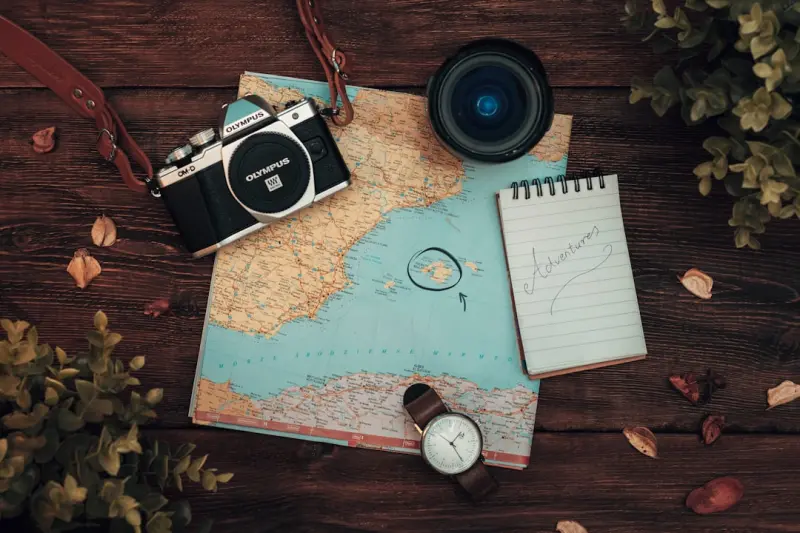
How Travel Journaling Turns Fleeting Moments Into Lasting Memories
Explore why a travel journal is your best travel companion, how to choose the right medium, and tips... Read More
Skill‑Swap Travel: Learn While You Roam
Skill‑swap travel transforms ordinary trips into collaborative workshops, letting you teach a skil... Read More
Culinary Cartography: How AR is Redrawing the Food Map of Travel
A deep dive into using AR to map culinary experiences, blending data, sensors, and community insight... Read More
Top Posts

Strategic Power Naps: Unlocking Brain and Body Performance
A concise guide to mastering power naps, with science‑backed tips on timing, environment, and integration into a holistic wellness routine for lasting vitalit...Read More

The Traveler’s Narrative Playground: Crafting Stories on the Move
Travel isn’t just about sights; it’s a living manuscript. Learn to use a simple narrative toolkit, define a storytelling lens, and turn everyday scenes into...Read More

From Garden Soil to Office Success: Rose DesRochers Redefines Home & Garden Living
Rose DesRochers shares her journey turning a backyard corner into a thriving garden desk, blending sustainability, design, and productivity for a greener work l...Read More

Why My Garden Desk Is the Secret to Career Resilience
A garden desk isn’t just a trend; it’s a career catalyst. Learn how outdoor workspaces can boost focus, creativity, and professional advancement....Read More
0 Comments
Post Comment
You will need to Login or Register to comment on this post!