
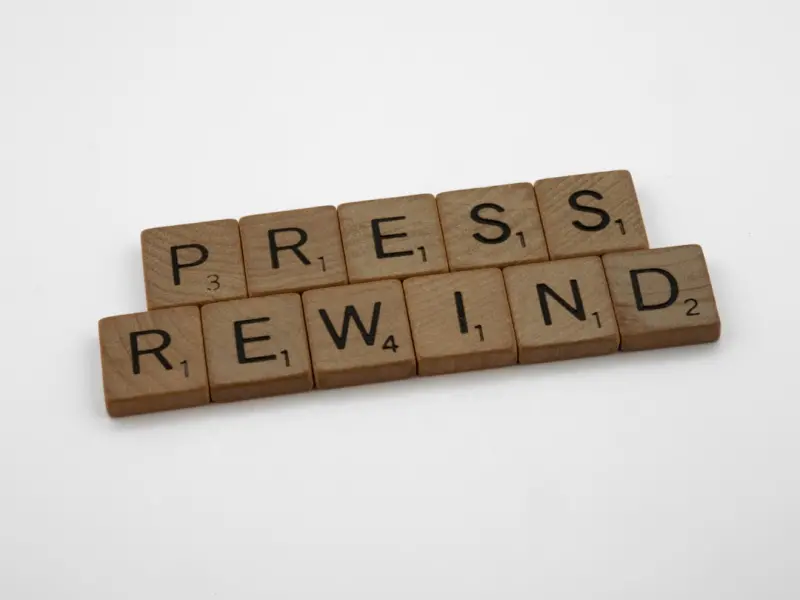
Why Play Matters More Than You Think
When the word “play” pops up in a professional setting, most of us instinctively picture a breakroom ping‑pong table or a team‑building scavenger hunt. Rarely do we consider play as a daily neuro‑nutrient that can keep our mental circuitry humming. The reality, backed by a growing body of neuroscience, is that intentional moments of light‑hearted activity stimulate dopamine, release endorphins, and create the mental elasticity needed to bounce back from stress.
Most mental‑health conversations focus on meditation, therapy, or exercise. Those are vital, but they’re often framed as “work” because we’ve turned them into scheduled, goal‑oriented practices. Play, on the other hand, can be spontaneous, absurd, and downright fun—and that very lack of pressure is what makes it a powerful antidote to the relentless grind.
The Science Behind Short, Joyful Breaks
Researchers have identified a specific brain circuit called the mesolimbic pathway that lights up during rewarding activities. When you laugh at a goofy meme, doodle a quick sketch, or improvise a silly rhyme, this pathway floods the brain with dopamine. Unlike the steady, sometimes monotonous dopamine drip from caffeine or social media scrolling, dopamine from play is burst‑like and triggers a cascade of neuroplastic changes.
These bursts do three things:
- Reset attention – A quick shift from analytical to creative thinking clears the mental “clutter” that builds up during prolonged focus.
- Boost mood – Endorphins released during laughter or physical play act as natural mood stabilizers.
- Strengthen social bonds – Shared play activates oxytocin, the “trust hormone,” fostering connection even in virtual teams.
What’s fascinating is that these effects can happen in under five minutes. A brief burst of playful activity is enough to rewire your mental state for the rest of the day, making it a low‑cost, high‑impact mental‑health hack.
Three Playful Practices You Can Slip Into Any Day
Below are three low‑effort, high‑joy practices that require no special equipment—just a willingness to let go for a moment.
1. The “Mini‑Mimic” Challenge
Pick a colleague, friend, or even a fictional character and spend a minute mirroring their gestures, speech rhythm, or posture. This tiny act of role‑play sharpens empathy and releases endorphins while providing a comedic break. When you’re stuck in a meeting, a quick “mini‑mimic” of the presenter’s most exaggerated hand‑wave can dissolve tension.
2. “Palette Play” – Color Your Day
Keep a small set of crayons, colored pens, or even a digital drawing app on your desk. When you feel a mental dip, choose a color that feels “bright” to you and fill a tiny doodle—no artistic skill required. The act of creating a visual cue engages the brain’s visual‑spatial centers and provides an instant mood lift.
3. “Sound‑Swap” Rhythm Break
Every hour, pause for 30 seconds and tap a random rhythm on your desk, a mug, or a keyboard. Then, challenge a coworker to echo or remix it. This rhythmic play boosts auditory processing and synchronizes brain waves, fostering a subtle sense of unity across dispersed teams.
These practices are designed to be micro‑interruptions that feel like a game rather than a chore. The key is consistency: the more you embed them into your routine, the more your brain learns to associate work periods with these joyful spikes.
Embedding Play Without Disrupting Productivity
One common objection is that play will “waste time.” In reality, the opposite occurs. Companies that integrate short, structured play reports higher employee satisfaction and lower burnout rates. To make it work:
- Schedule “play windows.”strong> Set a recurring calendar block (e.g., 10:15 am–10:20 am) labeled “Play Reset.” Because it’s visible, teammates respect the time.
- Use technology wisely. A shared Slack channel called #play‑breaks can host quick challenges, memes, or sound‑swap recordings. This keeps the energy flowing without cluttering inboxes.
- Pair play with existing rituals. Link the “Palette Play” doodle to the end of a stand‑up meeting, or integrate “Mini‑Mimic” after a presentation to reinforce learning in a fun way.
When you see play as a productivity enhancer rather than a distraction, the cultural shift happens organically.
A Community Angle: Shared Play for Collective Well‑Being
While solitary play is powerful, collective play multiplies its impact. Think of it as a low‑stakes version of team‑building that can happen in the chat, on video calls, or even via email.
For remote teams, try a weekly “Emoji Story” where each participant adds an emoji to continue a story line. The result is a quirky, collaborative narrative that taps into how narratives shape resilience—but with a playful twist. This simple exercise fosters a sense of belonging and reduces the isolation that often creeps into digital workspaces.
In physical offices, a “Play Corner” equipped with a stack of puzzles, a rubber‑band guitar, or a mini‑foosball table can become a hub for spontaneous collaboration. The goal isn’t to replace focus time but to provide a buffer that transitions the brain from deep work to social interaction smoothly.
Environmental Nudges: Setting the Stage for Play
Physical surroundings influence how easily we slip into play. A cluttered desk or stale air can mute creative impulses. Simple adjustments—like ensuring cleaner indoor air or adding a splash of color to your monitor backdrop—prime your brain for spontaneous fun.
Even your sleep environment matters. A restful night sharpens the brain’s capacity for spontaneous thought. Consider optimizing your sleep sanctuary with blackout curtains and a consistent bedtime routine. When you wake up refreshed, you’re more likely to engage in playful moments throughout the day.
Wrapping Up: Make Play a Non‑Negotiable Part of Your Routine
Play isn’t a luxury; it’s a mental‑health essential. By treating short, intentional bursts of fun as non‑negotiable as a coffee break, you’re gifting yourself and your colleagues a neurochemical boost that enhances focus, mood, and social cohesion. Start small, stay consistent, and watch as your brain rewires itself for greater resilience and joy.
Remember, the next time you feel that familiar knot of stress tightening, you have a toolbox of playful tactics at your fingertips. Choose one, let go, and let the brain do its happy dance.

Steph Sanderson is a Toronto-based freelance writer and content creator with a clear passion: crafting compelling articles. With a dedication to clear, engaging prose and a knack for storytelling, Steph brings a wealth of experience to every project.
Related Posts

Inbox Zero: The Surprising Mental Health Boost of a Clean Digital Space
A cluttered inbox spikes stress and drains mental energy. Learn a step‑by‑step Inbox Zero method... Read More
Screen Sabbaticals: Reclaiming Mental Space in a Hyperconnected World
A screen sabbatical isn’t a tech detox fad; it’s a structured, intentional break that clears men... Read More

Playful Learning: A Surprising Antidote to Remote Work Burnout
In this article, Laura Wilson reveals how integrating brief, purposeful play into remote workdays ca... Read More
Top Posts
Seasonal Home Refresh: Simple Swaps to Energize Every Room
Learn how to revitalize your space with textile changes, lighting tricks, scent strategies, and smart storage—simple steps for a fresh, seasonal home vibe....Read More
Why a Structured Role Marketplace Boosts Employee Agency
A role marketplace transforms static org charts into fluid talent ecosystems, giving employees agency to pursue projects that match their skills and aspirations...Read More

Nurturing Your Skin’s Microbiome: A Practical Guide to Micro‑Friendly Personal Care
A deep dive into the world of skin microbes reveals simple, sustainable habits—from low‑pH cleansing to probiotic serums—that can transform your personal ...Read More
The Art of Intentional Accidents: Turning Unplanned Detours into Travel Gold
Learn practical strategies for embracing unplanned travel, from micro‑adventures and local QR‑code tips to adaptive soundtracks, turning every surprise deto...Read More
0 Comments
Post Comment
You will need to Login or Register to comment on this post!