
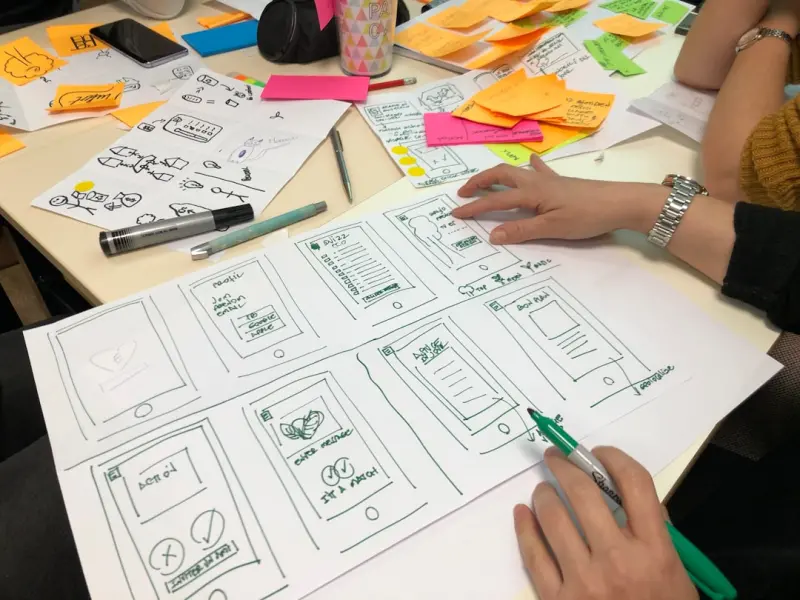
From Code to Canvas: How Generative AI is Redefining Creative Collaboration in the Enterprise
When I first sat down with a sketchpad and a cup of coffee, I imagined the creative process as a solitary dialogue between my thoughts and the blank page. Decades later, that image feels quaint. The rise of generative AI has turned the canvas into a shared space where humans and machines riff off each other in real time. In the world of B2B SaaS, this shift isn’t just a novelty—it’s a catalyst for a new kind of collaborative culture that blends intuition, data, and imagination.
Why “AI‑Assisted Creativity” Is Not a Buzzword
There’s a temptation to label every AI‑enabled feature as “smart” or “automated,” but the real magic lies in the partnership. Generative models, from text transformers to image diffusion networks, can produce drafts, suggest alternatives, and even surface insights that would take a human weeks to uncover. The value isn’t in replacing designers, marketers, or product managers; it’s in handing them a turbo‑charged brainstorming partner that can iterate at the speed of thought.
Think of it as the difference between a solo musician practicing a riff and a jam session with a band that can instantly suggest chord progressions, rhythm variations, and lyrical twists. The AI doesn’t dictate the direction—it expands the palette.
Three Real‑World Playbooks for Embedding AI in Creative Workflows
Below are three practical frameworks that teams can adopt without overhauling their entire tech stack.
1. The “Prompt‑First” Ideation Sprint
Start any brainstorming session by feeding the AI a concise, context‑rich prompt. For a product launch campaign, the prompt might include target persona traits, brand tone, and a key performance metric. The model then returns a handful of headline concepts, visual mockups, or even short video storyboards. Teams review, remix, and iterate—often arriving at a polished concept in under an hour.
Key tip: Treat the AI’s output as a rough sketch, not a final draft. The human eye still judges relevance, cultural nuance, and brand consistency.
2. The “Feedback Loop” Review Cycle
After an initial creative piece is drafted, run it through a second AI pass that focuses on optimization: tone analysis, readability scoring, or visual hierarchy suggestions. This creates a rapid feedback loop where the model highlights weak spots—like overly technical jargon or a cluttered layout—allowing creators to refine their work before the next human review.
Result? A tighter, more data‑informed iteration process that reduces the number of revision cycles and shortens time‑to‑market.
3. The “Cross‑Domain Remix” Lab
One of the most exciting capabilities of generative AI is its ability to translate concepts across mediums. A marketing copy piece can be turned into an infographic script, a podcast outline, or an interactive micro‑experience with just a few prompt tweaks. This cross‑pollination fuels a culture of experimentation, where a single idea can blossom into a multi‑channel campaign without the usual siloed hand‑offs.
When teams embrace this fluidity, they start to see creativity as a spectrum rather than a set of discrete deliverables.
Human‑Centric Design Principles for AI‑Enhanced Collaboration
Even the most sophisticated model can produce noise if the surrounding process is misaligned. Here are three design principles to keep the partnership productive:
- Transparency: Show the AI’s source data or confidence scores alongside its suggestions. When users understand why a recommendation appears, they’re more likely to engage critically rather than accept it blindly.
- Control: Give creators the ability to “dial back” or “amplify” the AI’s influence. Slider controls for creativity vs. precision let teams tailor the output to the project’s risk tolerance.
- Feedback Capture: Build simple mechanisms for users to rate or comment on AI suggestions. This feedback not only improves the model over time but also reinforces a sense of ownership.
Case Study: A SaaS Marketing Team’s Leap From Drafts to Deployments
One of our clients—a mid‑size SaaS platform focused on workflow automation—implemented a generative AI assistant in their content studio. The team followed a Prompt‑First Ideation Sprint for their quarterly product update announcements. Within two weeks, they produced:
- Four headline variants with 18% higher click‑through rates in A/B testing.
- A series of micro‑videos generated from script drafts, cutting production costs by 40%.
- A visual style guide automatically populated with brand‑compliant color palettes and typography suggestions.
The secret sauce wasn’t the AI alone; it was the skill‑badge framework they introduced to certify team members in “AI‑augmented storytelling.” By treating AI fluency as a credential, they encouraged continuous learning and built a community of practice around the technology.
Ethical Guardrails: Keeping the Creative Partnership Trustworthy
When you hand a machine the reins to your brand voice, ethical considerations surface quickly. Bias in training data, inadvertent plagiarism, and the risk of over‑automation are real concerns. A responsible rollout includes:
- Dataset Audits: Regularly review the corpora feeding the model for diversity and representation.
- Attribution Protocols: Tag AI‑generated elements so downstream users know what’s human‑crafted vs. machine‑assisted.
- Human Oversight Policies: Define thresholds where a human must sign off—especially for regulatory or compliance‑sensitive content.
Embedding these guardrails early prevents the “creative black box” syndrome and preserves brand integrity.
Measuring Impact: Metrics That Matter
To prove the ROI of AI‑enhanced creativity, look beyond vanity metrics. Here are three quantitative lenses:
- Cycle Time Reduction: Track the average hours from brief to final asset. Teams using AI typically see a 30‑50% drop.
- Iteration Count: Count how many draft versions pass before approval. Fewer iterations suggest more targeted, high‑quality suggestions.
- Engagement Lift: Compare engagement metrics (CTR, time‑on‑page) of AI‑augmented assets versus historically human‑only assets.
When you align these numbers with revenue outcomes—like lead generation or churn reduction—you create a compelling business case for continued investment.
Future Glimpse: AI as a Co‑Creator, Not Just a Tool
Looking ahead, the line between AI as a helper and AI as a co‑creator will blur. Emerging multimodal models can simultaneously generate copy, design, and code, allowing a single prompt to spawn an entire landing page prototype. In such a scenario, the human role evolves into curating, contextualizing, and infusing cultural relevance—tasks that remain uniquely human.
Organizations that cultivate a mindset of “creative partnership” now will be the ones that can seamlessly transition when the technology reaches that next level of autonomy.
Getting Started: A 30‑Day Playbook for Your Team
1. Kickoff Workshop: Host a half‑day session to demo generative AI tools and brainstorm use cases specific to your department.
2. Pilot Prompt‑First Sprints: Select two upcoming projects and run them through the Prompt‑First Ideation Sprint. Capture results and gather feedback.
3. Establish a “Creative AI Guild”: Form a cross‑functional group that meets weekly to share successes, challenges, and best practices. Use the guild to develop your transparency and control guidelines.
4. Iterate and Scale: Refine the workflow based on pilot data, then roll out to additional teams. Keep the feedback loop tight—every iteration should be a learning moment.
5. Celebrate Wins: Publicly recognize projects that achieve measurable gains through AI collaboration. Recognition fuels adoption and encourages a culture of experimentation.
Conclusion: The Canvas Is Bigger Than Ever
The narrative around AI in the enterprise has often been framed as a zero‑sum game—machines versus humans. In reality, the most powerful stories are about partnership. By treating generative AI as a collaborative teammate, we unlock a richer creative process, accelerate delivery, and keep our brands agile in a fast‑moving market. The canvas is no longer a static sheet; it’s a living ecosystem where ideas flow, remix, and evolve in ways we’re only beginning to imagine.
If you’re ready to turn your next campaign into a true co‑creation adventure, start with a single prompt. You might be surprised at how far the conversation can go.

Paul Flynn is a versatile freelance writer equipped with a diverse skillset and a portfolio that reflects his wide-ranging interests and expertise. From crafting compelling website copy and engaging blog posts to delivering in-depth articles and meticulously researched reports, Flynn demonstrates a remarkable ability to adapt his writing style to suit various audiences and purposes.
Related Posts
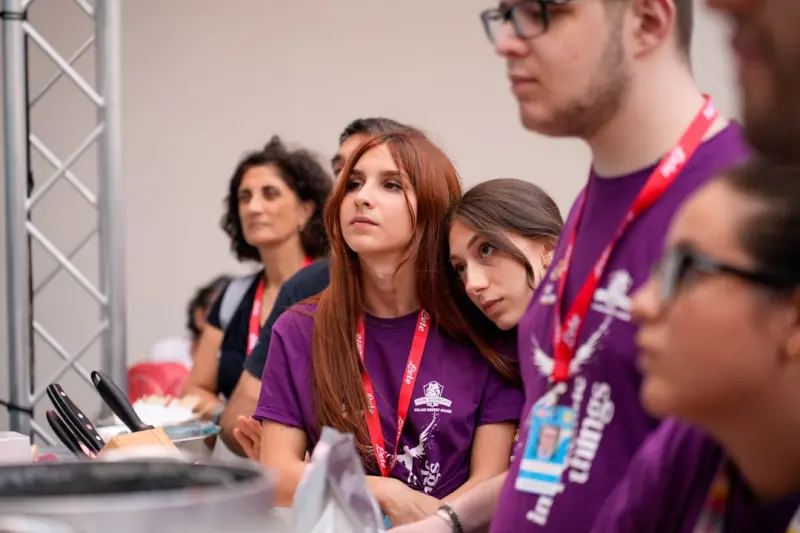
AI‑Powered Curiosity Engines: Turning Questions Into Competitive Edge
Explore how AI-driven curiosity engines embed generative prompts into everyday workflows, turning ev... Read More

When Algorithms Feel: Building Empathy into AI Systems
Empathy is the missing link between AI efficiency and human trust. This article explains how to teac... Read More
Designing Your AI‑Powered Personal Learning Ecosystem
Miranda shares a fresh roadmap for building an AI‑powered learning hub that personalizes content, ... Read More
Top Posts

Redefining Success: From Hours Logged to Impact Delivered
A deep dive into modernizing workplace evaluation: replace time cards with value cards, embrace outcome‑first metrics, continuous micro‑learning, and career...Read More

When AI Becomes Your Sales Coach: Unpacking Hidden Biases and Boosting Team Intelligence
This post explores how AI can serve as a real‑time sales coach, detecting hidden biases, providing contextual insights, and fostering collaborative learning t...Read More
Employment as a Human‑Centered Ecosystem: Embracing Neurodiversity
A fresh look at employment design that champions neurodiversity, offering practical steps—from adaptive contracts to internal skill marketplaces—to create a...Read More

The Quiet Frontier: How Sound‑Focused Travel Redefines Presence
Traveling isn’t just about sights; it’s about the sounds that shape our memories. Discover how intentional listening, curated soundscapes, and moments of si...Read More
0 Comments
Post Comment
You will need to Login or Register to comment on this post!