
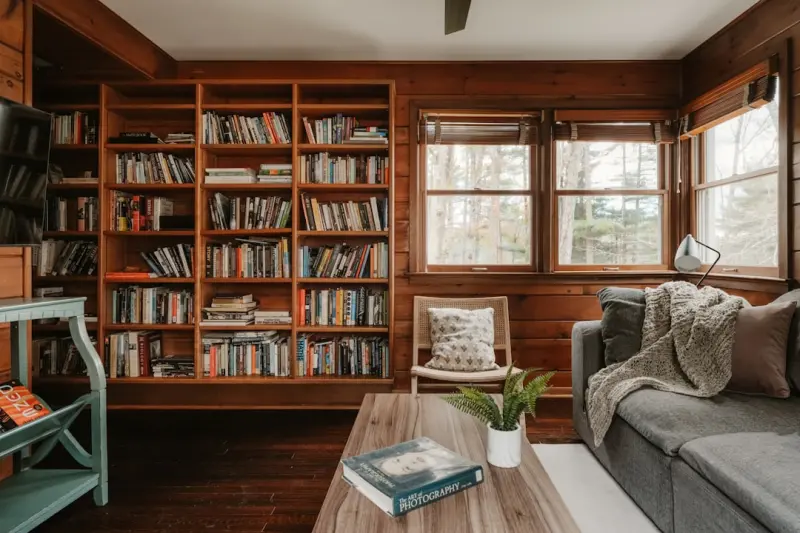
There’s a quiet rebellion happening in living rooms, hallways, and even under staircases. It’s not about adding more square footage or splurging on the latest smart‑home gadget; it’s about carving out a dedicated space where the scent of aged paper, the soft rustle of turning pages, and the gentle glow of a vintage lamp invite you to pause, reflect, and imagine. I’m talking about a home library nook—an intimate corner that feels less like a utilitarian storage area and more like a personal sanctuary for the mind.
Why a Library Nook Belongs in Every Home
We live in an age where digital consumption dominates, yet research consistently shows that physical books engage our brains in ways that screens simply can’t replicate. Holding a book stimulates tactile memory, reduces eye strain, and encourages deeper focus. A thoughtfully designed library nook can become the anchor point of a home, a place where you can unwind after a hectic day, spark creative ideas, or even host low‑key gatherings with fellow readers.
Beyond the mental benefits, a well‑curated nook adds aesthetic value. It turns an otherwise overlooked alcove into a visual centerpiece, blending functionality with style. When done right, the nook becomes a conversation starter, a testament to your love for stories and a subtle reminder that home is where your narrative unfolds.
Choosing the Perfect Spot
Start by surveying the floor plan for any “dead zones”—the space beneath a staircase, a narrow hallway, or the area between a sofa and a wall. These pockets often feel underutilized but can be transformed with clever shelving and lighting. Keep in mind the flow of natural light; a corner that catches morning sun can become a bright reading haven, while a more secluded spot may benefit from layered artificial lighting.
If you’re lucky enough to have a window, consider the benefits of natural illumination. Sunlight not only reduces the need for extra fixtures but also elevates mood and circadian rhythm, turning your reading time into a mini‑wellness ritual.
Design Foundations: Shelving, Seating, and Light
Shelving – The heart of any library nook is its storage. Open wooden shelves convey warmth, while metal lattices lend a modern edge. For tight spaces, opt for floating shelves that appear to hover, freeing up floor area. If you have a sloped ceiling, consider custom-built angled shelves that follow the contour, maximizing usable space without feeling cramped.
Seating – Comfort is non‑negotiable. A plush armchair with a supportive backrest is ideal, but don’t overlook the power of a deep, low‑profile chaise lounge for those longer reading marathons. Add a small footstool or ottoman for foot support, and layer a soft throw for texture. When space permits, a built‑in window bench with storage underneath doubles as seating and a hidden repository for less‑frequently‑used volumes.
Lighting – Layered lighting is key. A primary overhead fixture (or a recessed LED strip) provides general illumination. Complement this with a task lamp—preferably one with an adjustable arm—so you can direct light exactly where you need it. For ambience, a string of warm‑glow fairy lights or a vintage filament bulb can add a cozy, nostalgic feel.
Curating the Collection: Quality Over Quantity
Unlike a sprawling home library that attempts to house every genre, a nook thrives on intentional curation. Choose books that speak to your passions, whether that’s classic literature, contemporary poetry, travel memoirs, or DIY guides. Rotate the selection seasonally to keep the space fresh—swap out a stack of beach‑read paperbacks for a collection of winter essays as the temperature drops.
Integrate a few non‑book elements that still honor the reading theme: a decorative globe, a vintage typewriter, or a set of antique bookmarks. These objects add depth and invite curiosity, turning the nook into a mini‑museum of personal interests.
Adding Sensory Layers: Scent, Sound, and Texture
While visual design is essential, a truly immersive nook engages multiple senses. Light a scented candle with notes of sandalwood or lavender to create a calming atmosphere. If you’re a fan of ambient sound, a tiny Bluetooth speaker can play low‑volume instrumental music or white noise, helping to drown out household distractions.
Texture plays a subtle yet powerful role. Incorporate a woven rug, a linen curtain, or a velvet cushion to add tactile richness. These layers make the space feel lived‑in and welcoming, encouraging you to linger longer.
Eco‑Friendly Touches: Sustainable Style
Modern readers often care about the planet as much as the plot. Choose reclaimed wood for shelving, upcycled fabric for cushions, and low‑VOC paints for any walls you touch up. If you have access to a balcony or patio, consider a small herb garden nearby—fresh mint, rosemary, or basil can be plucked to brew tea while you read, creating a delightful culinary‑literary pairing.
Even the lighting can be greener. Opt for LED bulbs with a warm hue, and if natural light is abundant, rely on it as your primary source during daylight hours. By making these sustainable choices, your nook not only nurtures your mind but also respects the environment.
Integrating Technology—Without Overpowering the Experience
Technology has its place, but the goal is to keep the nook a refuge from constant notifications. A discreet charging dock for e‑readers or tablets can be tucked into the side of a shelf, allowing you to switch between physical books and digital ones seamlessly. Use a smart plug to schedule the task lamp to dim automatically at sunset, ensuring a smooth transition from day to night reading.
If you enjoy sharing book recommendations, a small, stylish whiteboard or corkboard can serve as a community space for notes, quotes, and upcoming reading challenges. This analog touch adds a personal, interactive element that screens often lack.
From Nook to Community Hub
Once your nook is established, consider opening it up for micro‑gatherings. Host a monthly “book swap” where friends bring a favorite read to exchange, or organize a quiet reading hour for local kids after school. These events turn a private sanctuary into a communal catalyst, fostering connections through shared stories.
Even if you prefer solitude, the mere act of curating a welcoming space signals to guests that you value intellectual curiosity and comfort—a subtle form of hospitality that extends beyond the physical décor.
Maintenance and Evolution
A library nook, like any cherished space, evolves. Schedule a quarterly “tidy‑up” to dust shelves, rearrange books by theme or color, and rotate decorative items. This habit prevents stagnation and keeps the nook feeling fresh.
If you notice a new need—perhaps more storage for oversized coffee‑table books or a desire for a brighter reading lamp—adjust the design incrementally. The flexibility of a nook allows for these small, intentional upgrades without requiring a full renovation.
Final Thoughts: Your Personal Story Corner
Creating a home library nook isn’t about building a massive, formal study; it’s about carving out a personal corner where stories come alive, ideas spark, and the world feels a little slower—just enough for you to breathe, think, and dream. By blending thoughtful design, sustainable choices, and sensory details, you can transform an overlooked space into a haven that reflects who you are and the narratives you cherish.
Ready to start? Scan your home for that perfect pocket of potential, gather a few beloved books, and let the transformation begin. Your mind—and your home—will thank you.

Amanda is a passionate writer exploring a kaleidoscope of topics from lifestyle to travel and everything in between.
Related Posts

Reviving Forgotten Spaces: Turning Attic Nooks into Creative Retreats
Unlock the hidden potential of your attic with smart design, storage hacks, and cozy touches—turni... Read More

How to Build a Low‑Maintenance Edible Landscape That Feeds Your Family
Learn how to design a beautiful, low‑maintenance edible landscape that provides continuous harvest... Read More

Turn Your Backyard into a Productive Garden Desk Oasis
Explore the rise of garden desks, learn design tips, productivity hacks, and sustainable practices t... Read More
Top Posts

Micro‑Movement Magic: Tiny Workday Exercises That Transform Health
Micro‑movement introduces quick, purposeful exercises into the workday, counteracting the harmful effects of prolonged sitting. Karen Edwards outlines ten sim...Read More
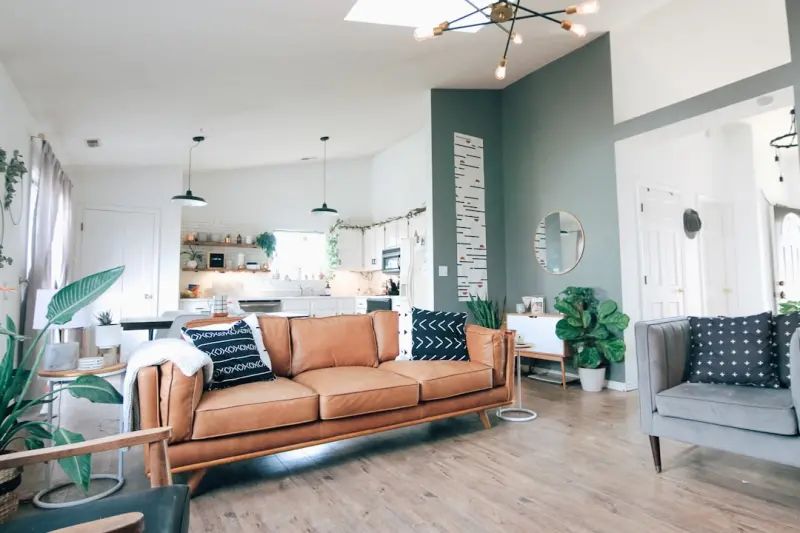
Hidden Harmony: Simple Home Tweaks for Calm and Clarity
Learn how to turn overlooked corners into calming micro‑sanctuaries with affordable materials, acoustic tips, and seasonal refresh ideas, all designed to enha...Read More

Tiny Motion, Big Impact: Reimagining Health with Micro‑Movements
Micro‑movements—brief, intentional bursts of activity—offer a low‑effort, high‑return approach to health. This guide explains the science, provides a ...Read More
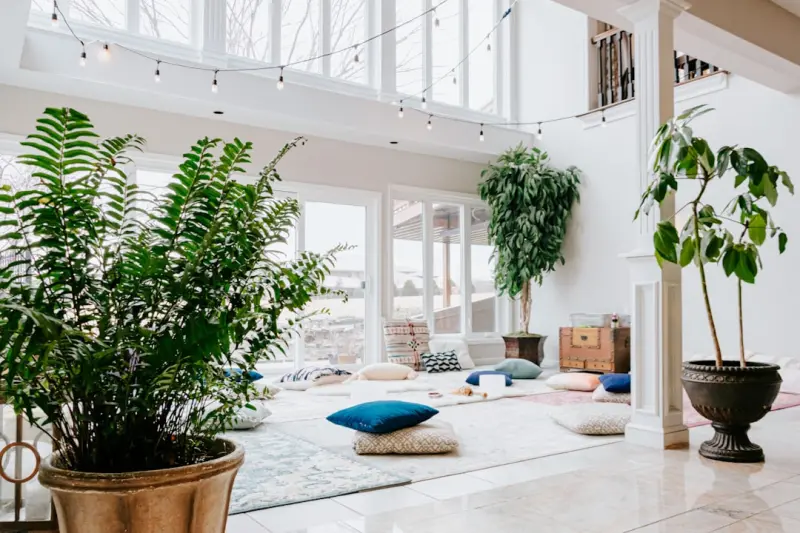
Cultivating Calm: How to Design a Home Sanctuary That Nourishes Body and Mind
Learn how to transform everyday spaces into calming sanctuaries with intentional plant choices, tactile textures, soothing scents, and mindful layout, creating ...Read More
0 Comments
Post Comment
You will need to Login or Register to comment on this post!