
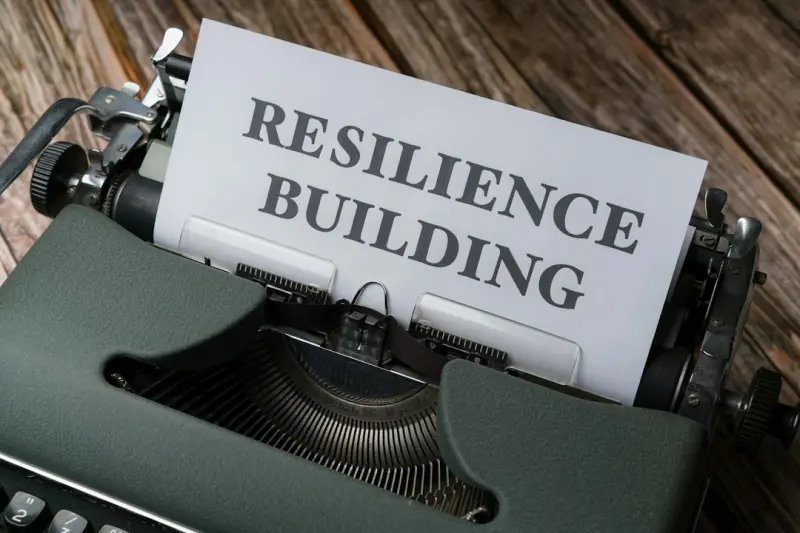
Why Personal Care Needs a Resilience Lens
When we talk about personal care, most conversations drift toward the surface: the right cleanser, the perfect moisturizer, the newest scented candle. Those are important, but they’re only the tip of the iceberg. I’ve spent the last few years experimenting with how everyday habits can become a psychological anchor—a quiet, reliable source of stability when life feels chaotic. The result is what I call a personal care resilience routine: a collection of intentional, low‑effort practices that fortify emotional stamina, sharpen focus, and quietly improve physical health.
The Science Behind Resilience and Routine
Resilience isn’t a mystical trait you either have or you don’t. It’s a dynamic process that can be cultivated, much like a muscle. Neuroscience tells us that repeated, predictable actions activate the brain’s prefrontal cortex, which is responsible for executive function and stress regulation. When a habit is performed regularly, the brain releases dopamine, reinforcing the behavior and creating a sense of reward. Over time, this neural pathway becomes stronger, allowing us to bounce back faster after setbacks.
In practice, that means the smallest, most mundane actions—like a five‑minute breathwork session or a quick stretch after standing at your desk—can become powerful tools for emotional regulation. The key is to embed them in a routine that feels natural, not forced.
Three Pillars of a Resilience‑Focused Personal Care Routine
- Mindful Reset: A brief pause that centers the nervous system.
- Physical Flow: Gentle movement that releases tension and improves circulation.
- Reflective Closure: A short ritual that records insights and celebrates small wins.
1. Mindful Reset – The Power of a Five‑Minute Breath Anchor
Most of us think of meditation as a long, silent retreat. But the science of breathwork shows that even a single minute of controlled breathing can lower cortisol by up to 30%. Here’s a quick pattern I use:
- Inhale through the nose for a count of four.
- Hold for a count of seven.
- Exhale slowly through the mouth for a count of eight.
Repeat this cycle three times. The longer exhale signals the parasympathetic nervous system to hit “rest mode,” instantly calming the mind.
Tip: Pair this breath anchor with a scent you love—a dash of lavender or eucalyptus on a cotton pad. The olfactory cue deepens the calming effect without turning the practice into a full‑blown aromatherapy session.
2. Physical Flow – Micro‑Movements for Energy Release
We often overlook how much tension builds up in the body during a day of sitting, scrolling, or typing. Instead of a full‑blown workout, integrate micro‑movements that you can do anywhere.
- Desk Shoulder Rolls: Roll shoulders forward and backward for 30 seconds.
- Neck Stretch Sequence: Tilt ear to shoulder, hold for five seconds each side, then gently turn head left‑right.
- Seated Cat‑Cow: While seated, arch your back (cow) and round it (cat) for a minute.
These movements increase blood flow, reduce muscular fatigue, and send fresh oxygen to the brain, sharpening focus for the next task.
3. Reflective Closure – Journaling the Tiny Wins
End each day with a three‑sentence journal entry:
- What small act of self‑care did I complete?
- How did it make me feel?
- What will I carry forward tomorrow?
This practice does two things: it reinforces the habit loop (cue → routine → reward) and it builds a positive feedback loop that combats the negativity bias. Over weeks, you’ll notice patterns—what truly lifts your mood and what feels like a box‑ticking exercise.
Integrating the Pillars Into a Seamless Routine
Below is a sample schedule that blends the three pillars without demanding more than 10 minutes total:
| Time | Action |
|---|---|
| Morning (upon waking) | 5‑minute breath anchor + a whiff of favorite scent |
| Mid‑morning (post‑email check) | Desk shoulder rolls (30 seconds) |
| Lunch break | Walk outside for 5 minutes, focus on the sound of your footsteps |
| Afternoon slump | Seated cat‑cow stretch (1 minute) |
| Evening (before bed) | Three‑sentence reflective journal |
Notice the spacing—each touchpoint re‑centers you, preventing stress from compounding throughout the day.
Why This Is Different From Traditional “Self‑Care” Articles
Most self‑care content emphasizes indulgence: spa days, pricey gadgets, or elaborate routines that feel exclusive. My approach is built on accessibility and resilience. It’s not about luxury; it’s about creating a safety net that you can lean on at any moment, especially when time and resources are scarce.
Think of it as a personal care insurance policy. You pay a few minutes a day to safeguard your mental and physical well‑being, just like you’d pay a premium for health coverage. The payoff is measurable: lower stress scores, steadier focus, and a subtle but steady lift in mood.
Connecting to the Broader Personal Care Conversation
While I’m carving a distinct niche, it’s useful to see how this fits into the larger ecosystem of personal care content on the blog. For readers who enjoy weaving storytelling into their routines, you might appreciate the idea of turning daily care into a personal narrative. Check out Storytelling Your Skin: Turning Daily Care into a Personal Narrative for inspiration on making each habit feel like a chapter in your life.
If you’re curious about engaging more senses in your practice without overcomplicating things, the Sonic, Aromatic, and Tactile: Crafting a Multi‑Sensory Personal Care Ritual article offers a deeper dive into how sound, scent, and touch can amplify the calming effects of a simple routine.
Scaling the Routine for Different Lifestyles
Whether you’re a remote worker, a busy parent, or a frequent traveler, the resilience framework is adaptable.
Remote Workers
Use natural breaks in your calendar to trigger the micro‑movements. For example, after each video call, stand up, stretch, and do the breath anchor before diving back into tasks. The physical transition signals to your brain that it’s time to shift gears.
Parents
Involve kids in the routine: a five‑minute breathing game before bedtime, or a family “stretch break” after dinner. Modeling these habits teaches them emotional regulation early on.
Travelers
Pack a small essential oil roller and a pocket‑size notebook. Even on a cramped airplane, you can practice the breath anchor and jot down a quick reflective note. The routine becomes a portable anchor, no matter the timezone.
Measuring Success – Simple Metrics to Track
Resilience is often invisible, but you can still gauge progress with low‑effort metrics:
- Stress Rating: On a scale of 1–10, note your stress level before and after each breath session.
- Energy Levels: Record how many “energy dips” you experience during the day.
- Sleep Quality: Use a sleep app to track how often you wake up feeling rested.
After two weeks, compare the averages. Even a single point drop in stress rating signals that the routine is making a difference.
Common Pitfalls and How to Overcome Them
- “I’m Too Busy”: Start with one pillar, not all three. The breath anchor alone can be a game‑changer.
- “I Forget”: Pair each habit with an existing cue—like brushing teeth or checking email.
- “I Don’t Feel Immediate Results”: Resilience builds cumulatively. Trust the process and log your metrics weekly.
Final Thoughts – The Quiet Power of Consistency
Personal care isn’t just about looking good; it’s about feeling steady in a world that constantly pushes us to the edge. By reframing self‑care as a resilience routine, you give yourself a repeatable, science‑backed method to stay balanced. The beauty lies in its simplicity—no expensive gadgets, no elaborate rituals, just a few minutes of breath, movement, and reflection each day.
If you’re ready to give yourself a subtle yet powerful boost, start with the breath anchor tomorrow morning. Notice how the rest of your day feels different. Then, layer in micro‑movements and reflective closure. Over time, you’ll discover a personal care practice that feels less like a chore and more like a quiet, trusted friend.

Jessica Gills is a freelance writer carving a niche for herself by empowering others through her words. With a focus on careers, self-development, and business, she helps readers navigate the complexities of the modern professional landscape.
Related Posts

Reimagining Personal Care: The Zero‑Waste, Tech‑Enabled Routine for Modern Lifestyles
A guide to blending zero‑waste products with smart sensor data, offering a sustainable, personaliz... Read More
Wired Wellness: Personal Care Wearables Redefine Self‑Care
Wearable technology is evolving beyond fitness tracking into a comprehensive personal care companion... Read More

Beyond the Brush: Reinventing Oral Care for Modern Wellness
Explore a fresh take on personal care by elevating your oral hygiene routine with micro‑rituals, s... Read More
Top Posts

When AI Becomes the Quiet Coach in Your Workday
Discover how a quietly integrated AI can become your day‑to‑day decision ally—offering gentle nudges, preserving autonomy, and enhancing productivity whil...Read More
From Routine to Innovation: Turning Everyday Work into a Personal Growth Engine
Discover a practical framework for turning everyday work into a dynamic learning engine, complete with actionable steps, portfolio building tips, and strategies...Read More
Turn Your Home Into a Productivity Powerhouse Without Adding Square Footage
A practical guide to transforming everyday spaces—like entryways, kitchens, and micro‑zones—into productivity‑boosting zones using light, invisible stor...Read More
Micro‑Care: Tiny Rituals That Supercharge Personal Well‑Being
Micro‑care transforms personal well‑being with quick, science‑backed habits that slip into daily gaps, offering busy professionals a powerful boost in foc...Read More
0 Comments
Post Comment
You will need to Login or Register to comment on this post!