
Why Sustainable Design Needs a New Brain
When I first started tinkering with AI tools, I imagined they’d be a novelty for marketers, not the backbone of product sustainability. Yet the reality is that artificial intelligence now offers the computational muscle to evaluate hundreds of material permutations in minutes—a task that once took weeks of lab work and endless spreadsheets. By feeding real‑time environmental data into generative models, designers can predict carbon footprints, water usage, and end‑of‑life impacts before the first prototype is even drawn, turning intuition into quantifiable insight.
Data‑Driven Material Selection
The biggest leap comes from AI’s ability to sift through massive material databases, matching performance criteria with ecological scores that most designers never see. Imagine a system that knows the tensile strength of a bio‑based polymer, its biodegradability under marine conditions, and the supply chain emissions of its raw feedstock—all while suggesting alternatives that meet cost targets. This depth of analysis, powered by machine learning, removes the guesswork and empowers teams to choose responsibly without sacrificing functionality.
AI‑Enhanced Lifecycle Assessment
Traditional lifecycle assessment (LCA) tools are static snapshots; they struggle to incorporate dynamic variables like shifting energy grids or regional recycling rates. Modern AI models ingest live data streams—grid emissions, transportation logistics, even weather patterns—to simulate a product’s true environmental journey from cradle to grave. The result is a living LCA that updates as conditions change, allowing companies to iterate designs on the fly and maintain a truly sustainable edge.
Closing the Loop: Circular Economy at Scale
One of the most exciting applications is AI‑driven circularity, where algorithms identify opportunities to repurpose waste streams into new inputs. By mapping material flows across industries, AI can pinpoint mismatches—say, surplus textile fibers that could become insulation for construction—creating symbiotic networks that minimize landfill reliance. This approach not only cuts costs but also builds resilient supply chains that thrive on reuse rather than extraction.
Real‑World Success Stories
Companies are already turning theory into practice. A furniture maker leveraged AI to redesign a bestseller, swapping virgin timber for reclaimed wood while preserving structural integrity, slashing its embodied carbon by 40 %. In another case, a consumer‑electronics brand used an AI platform to forecast product durability, aligning warranty policies with actual wear patterns and reducing premature disposals. These wins echo the insights from AI‑Driven Creative Collaboration, where interdisciplinary teams harness data to push creative boundaries.
Navigating Bias and Data Quality
Despite the promise, AI’s recommendations are only as good as the data they consume, and biases can silently skew outcomes toward cheaper, less sustainable options. It’s essential to audit datasets for regional representation, supply‑chain transparency, and lifecycle completeness. By instituting rigorous data governance, teams can guard against unintended trade‑offs that would undermine the very sustainability goals they aim to achieve.
Building Ethical Governance Frameworks
Embedding AI into sustainable design calls for clear ethical guidelines—who owns the data, who validates the assumptions, and how are trade‑offs communicated to stakeholders? A robust governance model assigns responsibility across design, engineering, and sustainability offices, ensuring AI‑generated insights undergo human review before implementation. This collaborative checkpoint mirrors the philosophy in Turning AI into Your Personal Growth Ally, where technology amplifies, not replaces, human judgment.
Empowering the Designer of Tomorrow
Designers must evolve from artists to data‑informed strategists, fluent in both aesthetics and algorithmic outputs. Educational programs now pair sketching workshops with coding bootcamps, fostering a hybrid skill set that can interrogate AI suggestions, adjust parameters, and articulate the environmental rationale behind each choice. This interdisciplinary fluency is the new currency in a market that rewards transparency and impact as much as style.
The Road Ahead: AI, IoT, and Real‑Time Feedback
Looking forward, the convergence of AI with Internet‑of‑Things sensors will close the feedback loop, sending real‑world performance data back to design models for continuous improvement. Imagine a smart shoe that reports wear patterns to the manufacturer, prompting AI to suggest material tweaks for the next production run. Such adaptive ecosystems will make sustainability a dynamic, ever‑optimizing process rather than a static checklist.
Take Action Today
If you’re ready to embed AI into your sustainability roadmap, start small: pilot a material‑selection algorithm on a single product line, validate the results, and scale incrementally. Share your findings across departments, celebrate the wins, and iterate based on feedback. By treating AI as a collaborative partner, you’ll not only reduce environmental impact but also unlock a competitive advantage that resonates with conscious consumers.

David Moore is a freelance writer specializing in two dynamic and ever-evolving fields: gambling and the tech industry. With a keen eye for detail and a knack for unraveling complex topics, David delivers insightful and engaging content that keeps readers informed and entertained.
Related Posts

When AI Becomes Your Quiet Co‑Creator
Explore the fresh angle of using AI as a personal co‑creator—turning prompts into habits, buildi... Read More

How AI Can Teach Brands to Listen: Turning Data into Empathy
Discover how an AI‑powered empathy engine can turn raw sentiment into actionable insight, enabling... Read More

When AI Becomes Your Quiet Coach for Everyday Work
A deep dive into how a subtle, “quiet coach” AI can enhance daily workflows, nurture empathy, an... Read More
Top Posts

Why Garden Desks Are the Secret Weapon for Modern Employment
Explore the benefits of garden desks for modern employment—productivity, wellness, and creativity—all from a personal, hands‑on perspective....Read More

Crafting a Multi‑Sensory Home Oasis: Simple Hacks for Everyday Bliss
Learn how to turn any room into a multi‑sensory oasis with practical tips for scent, sound, touch, sight, and taste, creating a sanctuary that enhances focus ...Read More

When Algorithms Whisper: Harnessing AI as a Silent Partner in Creative Innovation
Discover the subtle power of AI as a creative ally that nudges ideas, deepens emotional insight, and transforms personal workflows without replacing the human t...Read More
Cultivating a Pollinator Highway: Transform Your Yard into a Wildlife Superhighway
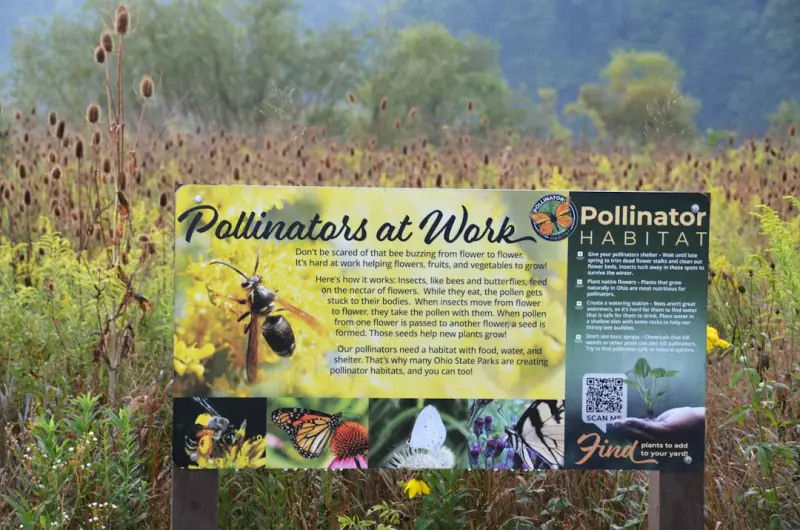
Discover step‑by‑step strategies for creating a pollinator-friendly garden, from selecting native blooms and planting for continuous bloom to adding bee hot...Read More
0 Comments
Post Comment
You will need to Login or Register to comment on this post!