
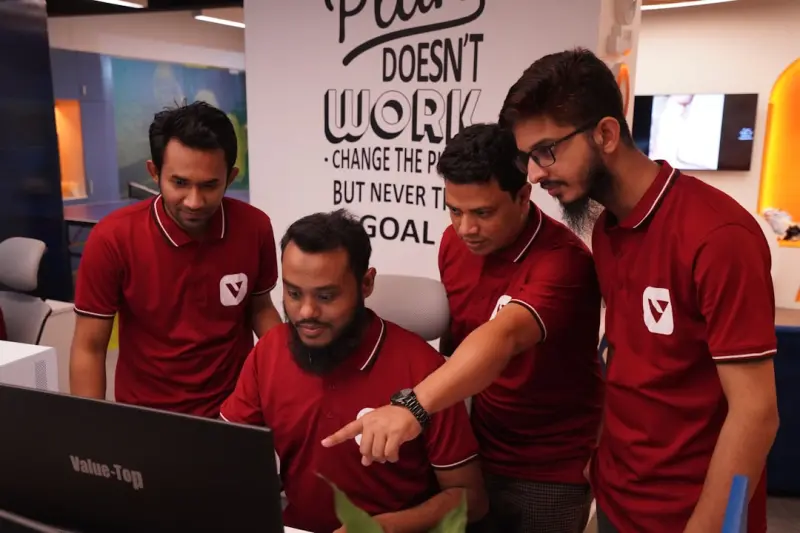
When I first stepped into the HR world, the job description was a sacred contract: a list of duties, a fixed title, a clear ladder. Fast‑forward a few years, and that contract feels as outdated as a floppy disk. Today’s talent is no longer content to be a cog that fits a pre‑drawn slot. They want to be architects of their own professional journeys, and the organizations that cling to static roles are watching their best people drift away.
Why the Traditional Job Description Is Dying
For decades, a job description served three purposes: it told the employee what to do, it gave managers a metric for performance, and it helped recruiters match talent to need. But the world has changed. The rise of project‑based work, the gig economy, and digital collaboration tools have shattered the notion that a single, unchanging role can capture the breadth of what a modern employee contributes.
Consider a software engineer who also excels at product design, mentoring, and data analysis. In a traditional hierarchy, she might be pigeonholed as “Developer,” limiting her ability to showcase the full spectrum of her impact. The result? Underutilized talent, disengagement, and a costly turnover cycle.
Companies that recognize this mismatch are rethinking the very language of work. They’re moving from static role titles to fluid outcome‑based frameworks that ask, “What value does this person create?” rather than “What title does this person hold?”
From Roles to Outcomes: The Shift to Goal‑Centric Employment
Imagine a workplace where success is measured by outcomes—revenue growth, customer satisfaction, process efficiency—rather than by the number of check‑boxes an employee ticks off. This shift does two things:
- It empowers employees to apply their unique strengths to the problems that matter most.
- It aligns incentives across the organization, because everyone is pulling toward the same measurable goals.
In practice, this means replacing a list of duties with a set of clear, time‑bound objectives. A marketing professional might be tasked with “increase qualified leads by 30% in Q3,” while a customer success lead focuses on “reduce churn by 15% through proactive engagement.” The emphasis is on the result, not the rote activity.
Empowering Employees to Craft Their Own Career Maps
Career crafting is the antidote to the stale “ladder” metaphor. Instead of climbing a pre‑defined rungs, employees design a personal roadmap that reflects their evolving interests, strengths, and life circumstances. Here’s how it works:
- Self‑Assessment: Employees take inventory of skills, passions, and values. Tools like strength‑finder surveys or reflective journaling can surface hidden talents.
- Goal Setting: They set short‑term and long‑term aspirations that align with both personal ambition and organizational needs.
- Skill Gap Identification: By pinpointing where they need growth, employees can seek targeted learning—be it a micro‑credential, mentorship, or stretch assignment.
- Iterative Review: Every quarter, the map is revisited, refined, and celebrated.
This approach transforms the employee experience from a passive receipt of assignments to an active co‑creation of value.
The Role of Continuous Learning and Micro‑Credentials
Traditional education pathways—four‑year degrees, certifications—no longer keep pace with the velocity of change. Enter micro‑learning and digital badges. Employees can now acquire bite‑sized, stackable credentials that demonstrate mastery of emerging skills, from data storytelling to AI ethics.
Companies that embed micro‑learning platforms into their talent strategy reap multiple benefits: faster skill acquisition, higher engagement, and a culture that celebrates curiosity. Moreover, these credentials become visible markers on the employee’s career map, making it easier for managers to align new projects with freshly honed abilities.
Technology as a Partner, Not a Manager
When we think of tech in HR, the first thing that comes to mind is often an algorithm sifting through resumes. But the most forward‑thinking organizations are using technology to coach rather than to control. For example, the Talent‑First Blueprint illustrates how AI can surface hidden talent pools within the company, recommend cross‑functional projects, and provide real‑time feedback on goal progress.
These tools act like a strategic co‑pilot: they surface insights, suggest next steps, and free human managers to focus on mentorship and relationship building. The result is a partnership where technology amplifies human potential instead of replacing it.
Redesigning Benefits for a Fluid Workforce
Flexibility isn’t just about remote work; it’s about benefits that adapt to the employee’s life stage and aspirations. Think of a “benefits menu” where workers allocate a budget across health, learning, family support, and even sabbaticals. This model acknowledges that one size does not fit all.
Key components include:
- Learning Stipends: Funds that employees can direct toward courses, conferences, or certifications of their choosing.
- Well‑being Credits: Flexible allocations for mental health apps, fitness programs, or even creative pursuits.
- Time‑Banking: The ability to earn extra days off by taking on high‑impact projects, fostering a sense of ownership.
By handing control back to employees, companies foster loyalty and empower individuals to shape a work-life blend that fuels sustained performance.
Leadership’s New Mandate: Facilitate, Don’t Direct
In the career‑crafting model, managers transition from “task assigners” to “career facilitators.” Their responsibilities shift toward:
- Coaching employees through goal‑setting conversations.
- Identifying stretch opportunities that align with the employee’s map.
- Removing barriers—be they process bottlenecks or resource constraints.
This requires a mindset change. Leaders must become comfortable with ambiguity and trust that employees will navigate their own pathways, stepping in only when guidance is truly needed.
Measuring Success in a Career‑Crafting Culture
Traditional metrics—attendance, utilization rates, annual rating—fail to capture the richness of a dynamic workforce. New measurement frameworks focus on:
- Outcome Achievement: Percentage of goals met or exceeded.
- Skill Expansion: Number of new micro‑credentials earned per quarter.
- Engagement Index: Survey data reflecting autonomy, purpose, and growth.
- Cross‑Functional Collaboration: Frequency and impact of projects spanning departments.
These indicators provide a holistic view of both individual development and organizational health.
Getting Started: A Practical Playbook for Leaders
Transitioning to a career‑crafting model can feel daunting, but breaking it into bite‑size steps makes it manageable:
- Kick‑off Workshops: Host sessions where teams define outcome‑based goals and experiment with personal career maps.
- Tool Adoption: Deploy a lightweight platform that tracks objectives, learning activities, and micro‑credentials.
- Leadership Training: Equip managers with coaching techniques and a growth‑mindset framework.
- Feedback Loops: Establish quarterly check‑ins to review progress, celebrate wins, and recalibrate goals.
Remember, the journey is iterative. Early adopters should expect to refine processes as they learn what resonates with their people.
Case Study: Turning Insight into Action
One tech firm recently piloted a career‑crafting program in its product division. Employees began by mapping their current skills against future product goals. Within six months, the team saw a 22% increase in feature delivery speed, attributed to better alignment of talent to project needs. Moreover, employee turnover dropped by 15%, highlighting the power of autonomy and purposeful work.
What made this success possible? A combination of clear outcome metrics, accessible learning resources, and leadership that acted as enablers rather than gatekeepers. The firm also leveraged the Smart Personal Care mindset—using data and design thinking to personalize each employee’s journey.
The Bottom Line: A Win‑Win for People and Business
When employees are invited to co‑design their careers, they bring heightened energy, creativity, and loyalty to the table. For organizations, this translates into faster innovation cycles, more resilient teams, and a stronger employer brand. The era of static job descriptions is over; the future belongs to flexible, outcome‑driven, employee‑centered work.
So, if you’re a leader reading this, ask yourself: Are you ready to hand the pen back to your people and write the next chapter together?

Karen Edwards is a seasoned freelance writer with a passion for all things furry, feathered, and scaled. With a dedicated focus on pets, she brings a wealth of knowledge and a keen eye for detail to her writing.
Related Posts

Peer‑to‑Peer Mentoring: The Secret Weapon for Career Growth
Peer‑to‑peer mentoring flips traditional learning on its head, creating a culture where every em... Read More
Why Structured Mentorship Is the Missing Piece in Modern Careers
Mentorship isn’t a nice‑to‑have—it’s essential. I share why structured programs transform ... Read More
Human‑Centred Work: Redesigning Employment for Impact and Well‑Being
A deep dive into reshaping employment by focusing on outcomes, psychological safety, digital declutt... Read More
Top Posts

Soundscaping Your Home: Simple Hacks for a Calmer, More Focused Space
Learn how to transform any living space into a sound sanctuary with low‑cost rugs, DIY acoustic panels, strategic plant placement, and smart‑speaker ambient...Read More

Playful Learning: A Surprising Antidote to Remote Work Burnout
In this article, Laura Wilson reveals how integrating brief, purposeful play into remote workdays can reduce stress, enhance focus, and spark creativity—offer...Read More

Cultivating a Living Wall: A Homeowner’s Guide to Green Air and Calm Spaces
Learn step‑by‑step how to turn a blank wall into a thriving living mural that improves indoor air, adds natural fragrance, and offers a calming visual escap...Read More

AI as the Silent Mentor for Enterprise Learning
Generative AI can act as a silent mentor, transforming static repositories into interactive assistants that surface relevant insights on demand, boost productiv...Read More
0 Comments
Post Comment
You will need to Login or Register to comment on this post!