

Why Decision‑Making Needs a New North Star
Every executive I’ve ever spoken to can point to a moment when a spreadsheet, a dashboard, or a gut feeling led the team down a costly path. The symptoms are familiar: endless meetings, “analysis paralysis,” and the lingering suspicion that the right data exists somewhere—but it’s buried under a mountain of PDFs, emails, and siloed tools. In the age of data abundance, the real scarcity is clarity. That’s where I see AI stepping in, not as a flashy automator, but as a decision‑making compass that helps leaders cut through noise, surface hidden patterns, and move with confidence.
The Compass Metaphor: More Than a Fancy Dashboard
Imagine you’re navigating a dense forest at night. A traditional dashboard is a lantern: it lights a small area directly in front of you, but you still have to guess which direction to turn. An AI‑powered decision compass, by contrast, is a magnetic field that points you toward the most promising trail, continuously recalibrating as the terrain shifts. It does this by:
- Aggregating data from every corner of the organization—CRM, ERP, support tickets, even Slack threads.
- Contextualizing each data point against current business objectives and external market signals.
- Prioritizing insights that matter most to the decision at hand, while quietly discarding the rest.
This shift from “see everything” to “see what matters” is where AI delivers tangible ROI. It’s not about replacing human judgment; it’s about amplifying it with a steady, data‑driven bearing.
From Data Lakes to Insight Rivers
The first step in building this compass is to stop treating data as a static lake that you dip a bucket into whenever you feel like it. Instead, think of it as a river that’s constantly flowing, changing temperature, speed, and direction. AI can monitor that flow in real time, detecting subtle ripples—like a sudden spike in churn risk or a nascent supply‑chain bottleneck—long before they become visible on a chart.
One practical way to start is by transforming your internal documents into conversational allies. When a knowledge base can answer questions in natural language, it becomes a living pulse of the organization, feeding the compass with up‑to‑date facts and context.
Reducing Decision Fatigue: The Hidden Cost
Decision fatigue is the silent productivity killer that most CEOs never admit to measuring. Every time a leader says “I need more data,” they’re actually buying a few extra minutes of brainpower—minutes that add up to hours of mental exhaustion across the week. AI can offload that mental load by surfacing the right data at the right time.
For example, an AI engine can automatically flag when a sales forecast deviates by more than five percent from historical trends, and suggest the most probable causes—seasonality, price changes, or a new competitor. The leader then spends minutes reviewing a concise, AI‑generated briefing instead of combing through dozens of reports.
Building Trust in the Compass
Any tool that starts telling you what to do will meet resistance unless you earn trust. Transparency is the antidote. Here’s how you can design a trustworthy AI compass:
- Explainability: Show the data sources and reasoning behind each recommendation.
- Human‑in‑the‑loop: Let users accept, tweak, or reject suggestions, feeding that feedback back into the model.
- Continuous validation: Regularly compare AI‑driven outcomes with actual results and adjust the algorithm accordingly.
When people see the logic behind a recommendation, they’re far more likely to act on it—and to keep the system humming.
Case Study: A Mid‑Size SaaS Company Cuts Time‑to‑Market by 30%
Consider a mid‑size SaaS provider that struggled with feature prioritization. Product managers were drowning in customer feedback scattered across surveys, support tickets, and social media. By deploying an AI compass that ingested all those channels, the company could automatically surface the top three pain points that aligned with strategic goals each quarter.
The result? Feature roadmaps that reflected real customer urgency, a 30 % reduction in time‑to‑market for high‑impact releases, and a measurable boost in Net Promoter Score. The leadership team reported that they felt “less like they were guessing in the dark” and more like they had a clear north.
Integrating with Existing Workflows
One of the biggest myths about AI is that it requires a full tech overhaul. In practice, the compass can be layered onto the tools you already use. A few integration patterns that work well:
- Slack or Teams bots: Ask the bot, “What’s the biggest risk to our Q4 revenue?” and get a concise, data‑backed answer.
- CRM plug‑ins: When a sales rep opens a deal, the AI surface’s a risk score and suggested next steps based on similar past deals.
- BI dashboard widgets: A small “Compass” widget highlights the top three insights for the day, pulling from the broader AI engine.
These integrations keep the AI invisible yet ever‑present—exactly how a compass should feel.
Future‑Proofing: The Compass Evolves
Unlike a static dashboard, the AI compass is designed to evolve. As new data streams appear—think IoT sensor feeds from a manufacturing line or emerging social sentiment on a new regulation—the model can ingest them, recalibrate its bearings, and surface fresh insights.
Moreover, the compass can be tuned to align with shifting corporate strategies. If a company pivots from a cost‑center focus to a growth‑center mindset, the AI simply re‑weights its recommendation criteria, ensuring relevance without a complete rebuild.
Practical First Steps for Leaders
If you’re intrigued but not sure where to start, try this three‑step sprint:
- Identify a high‑impact decision bottleneck. Pick a process where delays cost the most—perhaps quarterly budgeting or new‑product prioritization.
- Map data sources. List every system that feeds into that decision—CRMs, finance tools, support logs, external market data.
- Deploy a lightweight AI pilot. Use an off‑the‑shelf AI service (or a low‑code platform) to aggregate the data and generate a single “insight card” each day. Measure time saved and decision quality over a month.
Iterate, expand, and soon you’ll have a full‑scale compass guiding multiple strategic domains.
Don’t Let the Compass Get Lost in the Noise
Even the best compass can be ignored if it’s buried under too many alerts or if its recommendations clash with entrenched politics. To keep it top‑of‑mind:
- Limit alerts to the truly critical. A well‑tuned model will surface only those signals that cross a defined risk or opportunity threshold.
- Champion a “Compass Champion.” Appoint a senior leader to advocate for AI‑driven decisions and to model its usage.
- Celebrate quick wins. Publicly recognize decisions where the compass helped achieve a measurable outcome.
When the organization sees tangible benefits, the AI compass becomes a trusted ally rather than a novelty.
Wrapping Up: From Reactive to Proactive
In my experience, the biggest transformation isn’t in the technology itself—it’s in the mindset shift from reacting to data after the fact to proactively seeking the next signal that will shape your strategy. An AI decision‑making compass gives you that proactive edge, turning data overload into a clear, actionable direction.
If you’re ready to move beyond dashboards that tell you “what’s happening” to a system that tells you “what you should do next,” the journey starts with a single step: give your team a reliable, AI‑enhanced bearing and watch how quickly the fog lifts.
For a deeper look at how AI is already reshaping storytelling in business, check out Beyond Automation: How Generative AI Is Redefining Business Storytelling. The same principles of context‑aware insight apply, whether you’re crafting a brand narrative or steering a product roadmap.

Shawn DesRochers is a certified Microsoft technician and Programmer with 30+ year's experience. He has written many reviews on computer related products, software, and SEO related topics. When he's not writing reviews he can be found at one of the Oldest Directories Online Blogging Fusion Business Directory which he is the CEO of.
Related Posts

When AI Becomes Your Personal Knowledge Concierge
Discover the emerging role of AI as a personal knowledge concierge that curates, synthesizes, and de... Read More

Turning AI into Your Personal Growth Ally
Learn how to turn AI into a personal growth ally by building feedback loops, protecting your data id... Read More
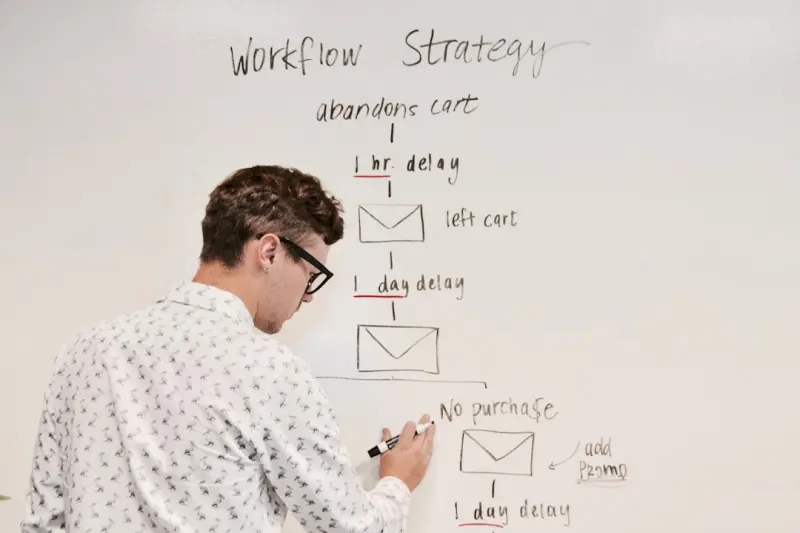
AI as a Strategic Co‑Creator: Re‑Defining Decision‑Making in the Enterprise
This article reveals how AI can transition from a backstage assistant to a strategic co‑creator, o... Read More
Top Posts

Why Community Walking Beats Solo Exercise for Whole‑Body Health
Community walking merges the benefits of aerobic exercise with the power of social connection, enhancing heart health, mood, and immune function. Learn why walk...Read More
Why Skill Marketplaces Are the Next Employment Revolution
Skill marketplaces turn expertise into tokenized offerings, enabling flexible, AI‑driven work relationships that benefit freelancers and businesses alike....Read More
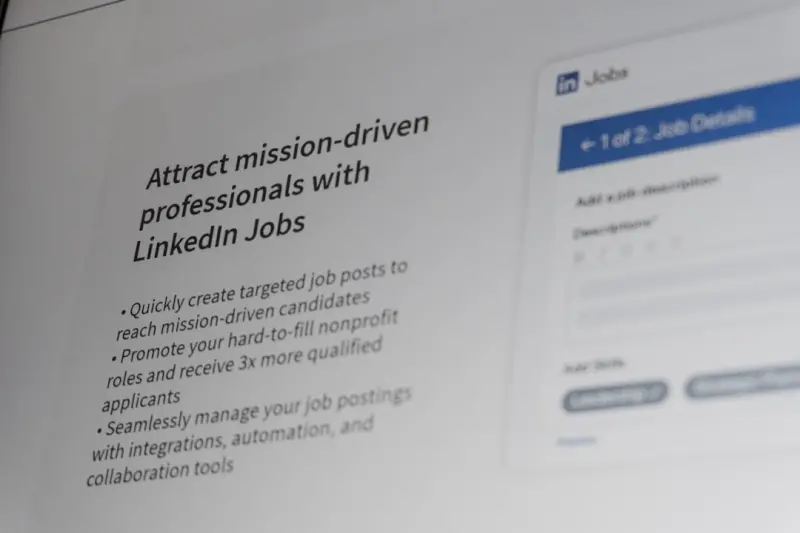
Own Your Career Path with a Personal Data‑Driven Dashboard
Learn to build a personal metrics dashboard that transforms everyday work data into a powerful career narrative, helping you steer your professional growth with...Read More

Crafting a Personal Mental Health Toolkit That Actually Works
A practical guide to building a personalized mental‑health toolkit using bite‑sized habits—breath, senses, movement, memory, and connection—to create la...Read More
0 Comments
Post Comment
You will need to Login or Register to comment on this post!